
Plants
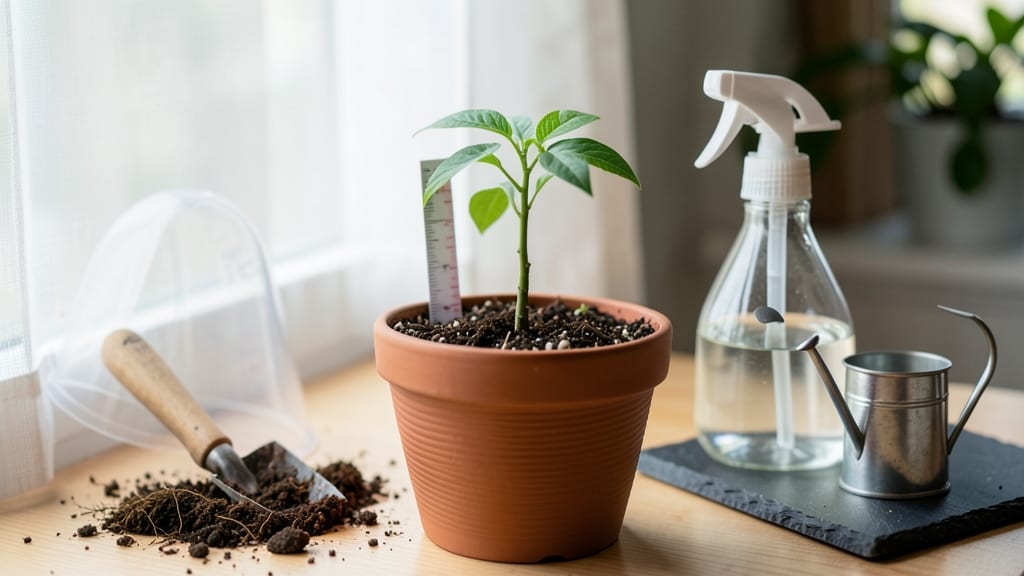
Planting your avocado seed in dirt at the wrong time could mean the difference between a thriving 🥑 tree and a sad, wilted seedling. The key to success lies in understanding your climate zone and seasonal cues—because avocado seeds need warmth and stability to take root without stress.
If you're in Zone 6 or colder, waiting until after the last frost (typically March-April) is critical. But in warmer regions like Zone 10, you can plant year-round as long as soil temperatures stay above 50°F.
I’ll break down exactly when to transition from indoor germination to outdoor planting, so you avoid common pitfalls like frost damage or stunted growth.
You might think timing is just about the calendar, but it’s really about the seedling’s readiness. We’ll cover how to tell when roots are strong enough for soil, how to harden off young plants, and what to watch for in different climates.
Trust me, getting this right makes all the difference.
Whether you’re a first-time gardener or a seasoned plant parent, these insights will help you plant with confidence. Let’s dive into the best months, soil prep, and care tips to give your avocado seed the perfect start in dirt.
Best climate zones and months to plant avocado seeds outdoors
Avocado seeds thrive outdoors when soil temperatures consistently stay above 50°F, but the exact timing depends on your USDA climate zone. In cooler regions like Zone 7, wait until late spring after the last frost, while tropical Zone 11 gardeners can plant almost year-round.
The key is balancing warmth with frost risk—planting too early in chilly zones can shock seedlings, while late planting in hot climates may stress them during summer heat.
Most gardeners start seeds indoors 4-6 weeks before the recommended outdoor planting window. This head start ensures seedlings are 3-6 inches tall with a sturdy root system before facing outdoor conditions.
For example, in Zone 8, aim for March-April planting, while Zone 10 offers flexibility from January through December as long as nights stay mild.
Soil temperature is more critical than air temperature—use a soil thermometer to confirm readings. Avocado roots need warmth to establish, so avoid planting in cold, damp soil, even if air temperatures seem ideal.
In Zone 9, for instance, February planting is risky if soil hasn’t warmed to 60°F+.
Hardiness zones also dictate how long you can extend your planting window. Zone 6 gardeners should wait until after May 15 (post-frost), while Zone 10 can plant as late as October without frost concerns. Always check your local last frost date and add 4-6 weeks for seedling acclimation.
| USDA Zone | Best Planting Window | Soil Temp Requirement | Key Risks |
|---|---|---|---|
| 7 (Temperate) | Late May - Early June | 55°F+ minimum | Frost damage, slow growth |
| 8 (Subtropical) | March - April | 50°F+ minimum | Heat stress if planted late |
| 9 (Warm) | February - March | 55°F+ minimum | Overheating in summer |
| 10 (Tropical) | Year-round (avoid monsoon) | 60°F+ minimum | Fungal growth in wet seasons |
| 11 (Hot Desert) | September - November | 65°F+ minimum | Water stress in summer |
Regional examples highlight how climate dictates timing. In Florida (Zone 10), I’ve planted avocado seeds in January with no issues, but California (Zone 9) gardeners often wait until March to avoid late-winter chills. Even within zones, microclimates matter—sheltered spots may be 5°F warmer than open areas, allowing earlier planting.
Seasonal transitions require gradual adjustments. If you start seeds indoors in winter (Zone 7), move them outdoors in stages over 2 weeks before the final planting date. This hardening-off process toughens seedlings for sun and wind exposure. Skip this step, and you risk leaf scorch or shock when transplanting.
Watch for local weather patterns too—unpredictable frost in Zone 8 or sudden heatwaves in Zone 10 can derail your timeline. Use a weather app to track 10-day forecasts before committing to a planting date. For instance, a 90°F heatwave in May might delay Zone 9 planting until temperatures drop.
Pro tip: In cooler zones (6-7), consider container growing to extend the season. Move pots indoors during cold snaps or use row covers to protect young seedlings. This flexibility lets you plant earlier or later than traditional windows while maintaining control over environmental stress.
Remember, avocado seeds are slow to mature—rushing the outdoor transition can set back growth for years. Patience pays off when you align planting with your zone’s natural rhythm, giving your seedling the best chance to thrive in dirt.
Best climate zones and months to plant avocado seeds outdoors
Timing your avocado seed's move from water to soil depends entirely on your climate zone. Avocados thrive in warmth, so planting too early in cooler regions risks frost damage, while late planting in hot zones can stress young seedlings.
The golden rule: wait until soil temperatures consistently stay above 50°F (10°C)—this ensures roots establish without shock.
For USDA Zones 9-11 (tropical/subtropical), you can plant avocado seeds outdoors year-round, as frost is rarely a concern. In Zones 7-8, aim for late spring after the last frost date, typically April-May.
Meanwhile, gardeners in Zones 6 and colder should delay until June or July to avoid early autumn frosts.
Here’s how to match your location to the perfect planting window:
If you’re in a transition zone (like Zone 8), err on the side of caution. I once planted my avocado seed in early April in Zone 8, only to see it wilt during a late frost.
Now, I wait until mid-May when nighttime temps stay above 55°F (13°C). Patience pays off—your seedling will thank you with stronger growth.
For indoor-to-outdoor transitions, harden off seedlings gradually. Move pots outside for 2-3 hours daily starting 2 weeks before planting, increasing exposure over 7-10 days. This mimics natural conditions and reduces transplant shock. Skip this step, and you risk leaf scorch or stunted roots.
Pro tip: Use a soil thermometer to confirm ground temps before planting. Avocado roots are sensitive to cold, and even a few degrees below 50°F (10°C) can stunt growth. In cooler zones, consider a mini greenhouse or cold frame to extend your planting window by 2-3 weeks.