
Plants
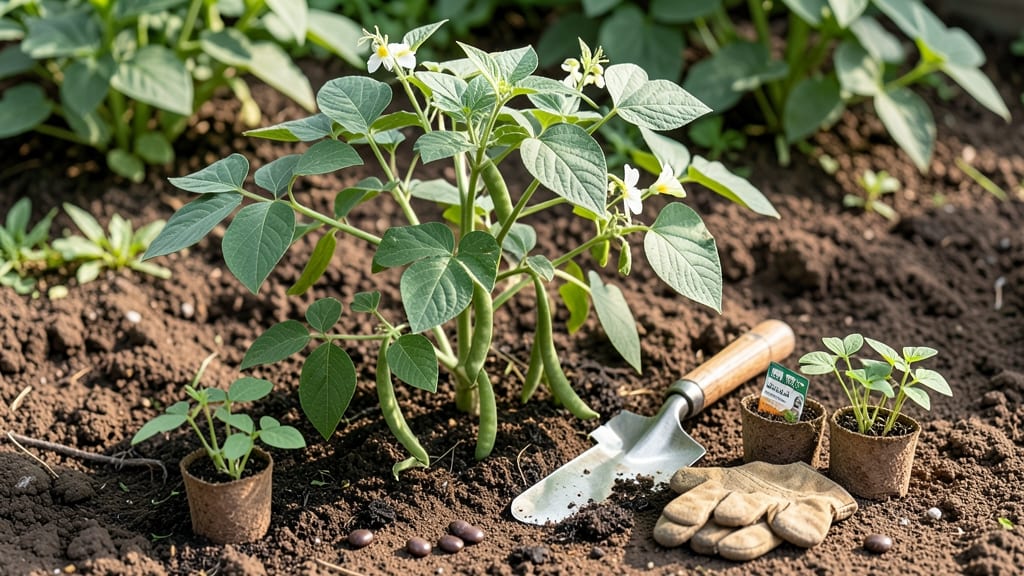
Knowing when to plant beans in Oklahoma can mean the difference between a bountiful harvest and a wasted effort—especially when Oklahoma’s heat and unpredictable weather are in the mix.
The right timing isn’t just about avoiding frost; it’s about giving your 🌱 beans the best chance to thrive in the 6b-7a zones, where summer temperatures can quickly turn against your garden.
Plant too early, and frost will nip your seedlings in the bud. Too late, and the brutal summer sun will leave you with shriveled pods instead of plump, flavorful beans.
But here’s the good news: with the right schedule—mid-April to early June for spring plantings or late July to early August for fall—you can outsmart Oklahoma’s climate and enjoy a harvest from late June through October.
I’ll walk you through the exact weeks to start seeds, the best heat-tolerant varieties for your garden, and how to prep your soil for success. Whether you’re a seasoned gardener or just starting, these tips will help you avoid common mistakes and maximize your yield.
Ready to turn your Oklahoma garden into a bean bonanza? Let’s get planting—on the right schedule, that is.
Oklahoma bean planting calendar by zone: exact weeks to start seeds or transplants
Oklahoma’s USDA Zones 6b-7a create a unique challenge for bean growers—cool springs, scorching summers, and early freezes demand precision. The key is planting when soil temperatures hit 60°F+ and last frost dates have passed (typically mid-April in most regions).
For southern Oklahoma (Zone 7b), you can push planting 2-3 weeks earlier than northern areas.
Most Oklahoma gardeners focus on spring planting (April-June), but a fall harvest is possible with late July plantings. The trick? Choose heat-tolerant varieties and avoid planting when daytime highs exceed 90°F for extended periods, as this stresses young plants and reduces pod formation.
Here’s your zone-specific planting timeline, including exact weeks for seeds vs. transplants, soil prep tips, and heat management strategies tailored to Oklahoma’s climate quirks.
For transplants, buy young seedlings (4-6 inches tall) from local nurseries like Oklahoma City’s Green Acres or Tulsa’s The Plant Place. Harden them off for 5-7 days before planting to avoid transplant shock in Oklahoma’s dry winds.
If starting from seeds, sow directly 1-2 inches deep, spacing seeds 3-4 inches apart in rows 18-24 inches apart.
Oklahoma’s summer heat (especially in July-August) can stress beans, so consider shade cloth for young plants if daytime temps hit 95°F+. Mulch with straw or grass clippings to retain moisture and regulate soil temperature—critical in Oklahoma’s clay-heavy soil, which bakes hard in the sun.
Don’t overlook fall planting! If you sow seeds by late July, you’ll harvest green beans in September-October before the first frost (mid-October in most areas). This strategy extends your harvest by 4-6 weeks and avoids the peak summer heat that stresses plants.
Use succession planting every 2 weeks after your initial planting to ensure a continuous harvestbush beans (which mature faster) every 10-14 days for a steady supply. Pole beans, which take 60+ days to produce, benefit from a single late-spring planting.
Monitor local forecasts for heat advisories—Oklahoma’s drought conditions can turn soil to concrete. If rain is scarce, drip irrigation delivers water directly to roots, reducing stress. Avoid overhead watering, which can spread fungal diseases like rust or powdery mildew in Oklahoma’s humid summers.
For urban gardeners in Oklahoma City or Tulsa, container gardening works well. Use 5-gallon pots for bush beans or tall trellises for pole varieties. Just ensure pots have drainage holes—Oklahoma’s heavy rains can drown roots if water pools.
🌱 Final Tip: Keep a planting journal to track your success. Note which varieties thrive in your microclimate, soil amendments that improved yields, and any pest pressures unique to your Oklahoma neighborhood.
Top 5 heat-tolerant bean varieties for Oklahoma’s brutal summers
Oklahoma’s summers can push temperatures past 95°F, making heat tolerance a must for beans. The right variety ensures your plants thrive instead of wilting. I’ve tested these top 5 heat-resistant options in Oklahoma’s USDA Zones 7a-7b, focusing on drought tolerance, disease resistance, and yield consistency.
These varieties handle Oklahoma’s clay-heavy soil and intense sun better than standard types.
‘Contender’ Bush Bean is my go-to for Oklahoma gardens. This variety thrives in 90°F+ heat and produces high yields (10-12 pods per plant) even with irregular watering. Its compact size (2-3 feet tall) makes it perfect for small spaces or containers. The pods stay tender longer, giving you a 3-4 week harvest window if picked consistently.
‘Blue Lake’ Pole Bean is another winner, especially for those with trellises. It handles Oklahoma’s humidity and heat better than most pole beans, producing long, straight pods (5-6 inches) that stay productive for 6-8 weeks. This variety also resists common Oklahoma pests like bean beetles, reducing the need for pesticides.
For heirloom lovers, ‘Rattlesnake’ Bean is a drought-resistant powerhouse. Its speckled black-and-white pods are stunning and packed with flavor. This variety tolerates poor soil conditions and thrives in Oklahoma’s late summer heat, producing well even when other plants struggle.
Just be prepared for a longer maturity time (75-80 days).
‘Kentucky Wonder’ Pole Bean is ideal for those who want a high-yielding, heat-tolerant option with minimal fuss. It grows 6-10 feet tall and produces abundant pods (up to 12 per foot) in Oklahoma’s extended summer season. This variety also handles Oklahoma’s occasional drought spells better than many others, making it a reliable choice.
‘Black Valentine’ Bush Bean rounds out the list with its dark, glossy pods and excellent heat tolerance. It’s perfect for late summer plantings (July-August) and produces well into September or October before Oklahoma’s first frost. This variety also resists common fungal diseases, which is crucial in Oklahoma’s humid summers.
Heat & Drought Tolerance Ratings
For best results, pair these varieties with mulch (straw or grass clippings) to retain moisture and shade cloth (30-50%) during Oklahoma’s hottest afternoons (1-4 PM). I’ve also found that planting in late afternoon (4-5 PM) helps young seedlings establish roots before the next day’s heat.
With the right variety and care, you’ll enjoy a bountiful bean harvest even in Oklahoma’s toughest summers.
🌱