
Plants
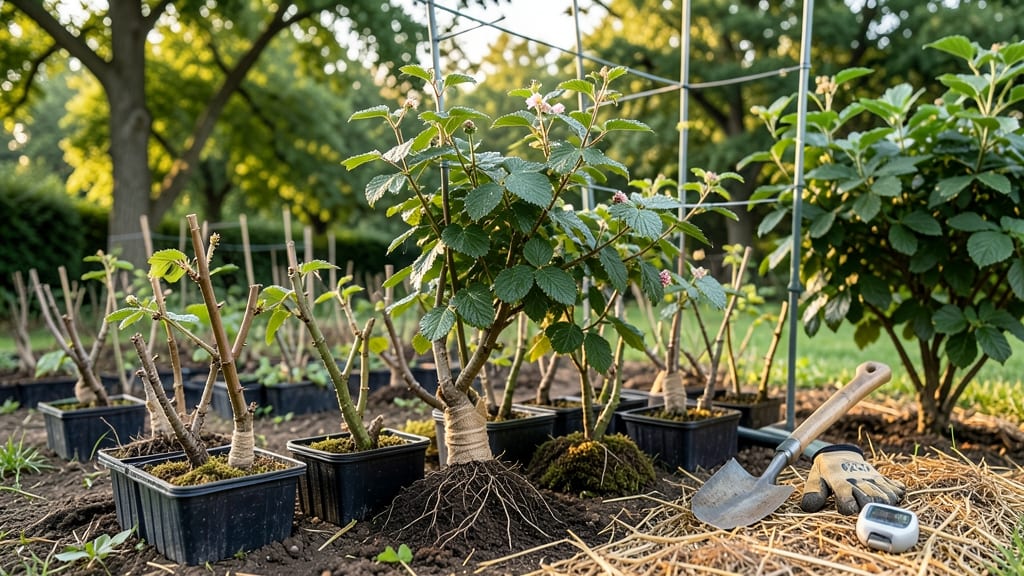
Timing is everything when it comes to planting blackberries in Alabama, and getting it wrong could mean struggling with weak canes or missed harvests. Alabama’s warm climate means you’ve got a narrow window—just February to March—to plant these thirsty shrubs before the heat sets in.
Why does this matter? Because blackberries 🫐 need time to establish strong roots before summer’s relentless sun and humidity take over. Plant too late, and your canes might not survive the transition from dormancy to full growth.
The key is working with Alabama’s Zone 7a-8b conditions, where last frosts typically hit around mid-March.
In this guide, I’ll break down the exact months to plant—whether you’re in Birmingham’s cooler hills or Mobile’s steamy lowlands—and share pro tips for soil prep, mulching, and watering.
You’ll learn how to give your blackberries the best possible start, so they’re ready to produce plump, juicy berries by late spring.
Ready to avoid the common mistakes that leave Alabama gardeners frustrated? Let’s dive into the perfect planting schedule for your blackberry patch.
Best planting months for blackberries in Alabama’s Zone 7-8 climate
Alabama’s Zone 7-8 climate creates a narrow window for planting blackberries, where timing can mean the difference between thriving canes and struggling plants. The ideal planting months are March and early April, right after your last expected frost date (March 15 in most regions).
This timing gives young roots 6-8 weeks to establish before Alabama’s summer heat intensifies.
For gardeners in North Alabama (Huntsville, Decatur), late February can work if soil temperatures stay above 50°F (10°C). Meanwhile, South Alabama (Mobile, Dothan) may push planting to early April to avoid late spring heatwaves.
The key is planting when soil is workable but not baking hot—stick your finger in: if it feels cool but dry, it’s ready.
Bare-root canes thrive when planted in cool soil, while potted plants offer more flexibility if you’re in a warmer microclimate. My rule of thumb: Plant bare-root canes 2-3 weeks before potted plants to give them the same establishment advantage.
Both types need well-draining soil with a pH of 5.5-6.5—Alabama’s clay-heavy soils often need compost or sand amendments.
| Region | Ideal Planting Window | Soil Temp Threshold | Key Consideration |
|---|---|---|---|
| North Alabama (Huntsville) | Late February - Early March | 50°F (10°C) | Watch for late frosts (March 1-15) |
| Central Alabama (Birmingham) | March 1-15 | 55°F (13°C) | Balanced frost risk and heat |
| South Alabama (Mobile) | Early April | 60°F (16°C) | Hotter soil warms faster |
Blackberry varieties also influence timing. Primocane varieties (like 'Prime-Ark Freedom') produce fruit on current season’s growth, so they benefit from early spring planting to maximize summer harvests. Floricane types (like 'Chester') need two growing seasons to fruit, making late winter planting ideal for establishing strong canes.
Miss the ideal window? You can plant in early fall (October), but this requires heavy mulching to protect roots from winter temperature swings. Fall-planted canes need 4-6 weeks to establish roots before ground freezes—critical in Alabama’s Zone 7a areas where hard freezes occur.
One common mistake I see is planting too early when soil is still cold. Blackberry roots need warmth to activate—planting in January or early February often results in root rot from soggy, cold soil. Always check soil temperature with a soil thermometer before planting.
For container growing, timing shifts slightly. Potted blackberries can handle warmer soil (up to 65°F/18°C) and may be planted 2 weeks later than bare-root canes. This flexibility makes containers ideal for urban gardeners or those with microclimate variations in their yard.
Pro tip: Mark your last frost date on your calendar and count backward. 6-8 weeks before is your planting sweet spot. In Alabama, this typically lands in late February to early April, but always verify with your local Cooperative Extension Service for hyper-local advice.
Remember, blackberries are perennial plants—proper planting timing now means years of harvests with minimal replanting. Get it right the first time, and you’ll enjoy juicy berries for decades. 🫐
Best planting months for blackberries in Alabama’s Zone 7-8 climate
Alabama’s Zone 7a-8b climate gives you a tight window to plant blackberries—typically between late February and early April. But don’t just pick a date randomly! The ideal time depends on whether you’re planting bare-root canes or potted plants, and your specific region’s frost patterns.
In North Alabama (e.g., Huntsville or Birmingham), where frosts linger slightly longer, aim for mid-March to early April. Meanwhile, gardeners in South Alabama (like Mobile) can plant as early as late February, thanks to warmer soil temperatures.
The key is waiting until the soil warms to at least 50°F (10°C)—cold soil slows root growth and stresses young plants.
| Region | Best Planting Window | Soil Temp Threshold | Last Frost Date |
|---|---|---|---|
| North Alabama (Birmingham, Huntsville) | Mid-March to Early April | 50°F (10°C) | Mid-March |
| Central Alabama (Montgomery, Auburn) | Late February to Mid-March | 50°F (10°C) | Early March |
| South Alabama (Mobile, Dothan) | Late February to Early March | 55°F (13°C) | Late February |
For bare-root canes, plant as soon as the ground is workable—usually 2-3 weeks before your last frost date. Potted plants, however, can handle slightly cooler soil, so you’ve got a few extra weeks to transplant them safely.
Pro tip: If you’re in a microclimate (like a valley or hillside), monitor local frost forecasts—these areas can have 2-3 weeks’ difference in frost dates!
Missed the window? You can still plant in early May, but expect slower establishment and reduced first-year yields. The trade-off? Avoiding late-spring frosts that can damage tender new growth. If you’re unsure, err on the side of earlier planting—blackberries reward patience with bigger, sweeter berries the following year.
One last tip: If you’re planting primocane varieties (like ‘Natchez’ or ‘Arapaho’), they’ll produce fruit on new growth, so get them in the ground early. For floricane types (like ‘Triple Crown’), timing matters less for fruit production, but early planting still ensures robust canes for next year’s harvest.
Ready to dig in? Grab your gloves, and let’s get those blackberries rooted before Alabama’s heat sets in for good! 🌱