
Plants
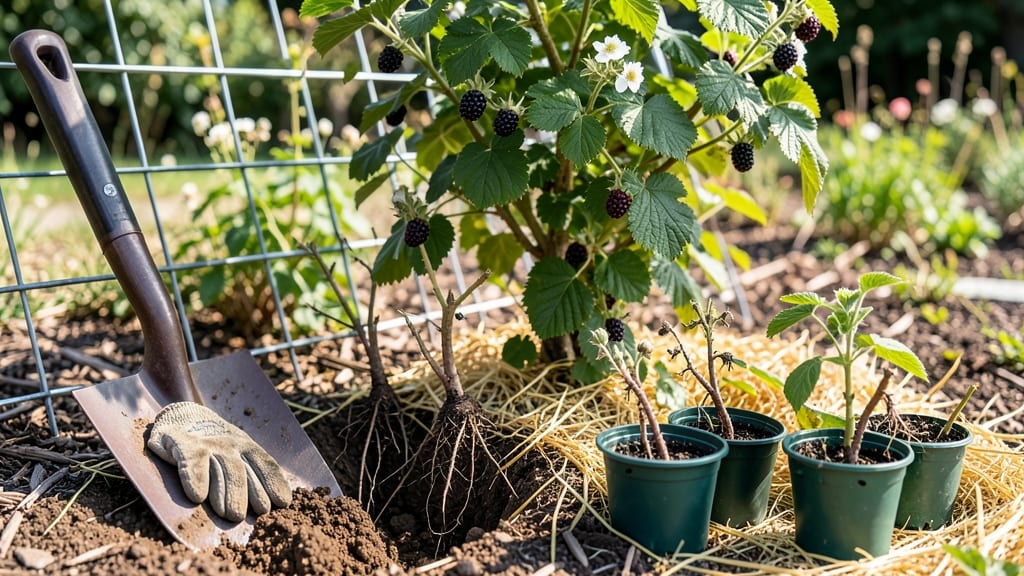
Timing your blackberry 🫐 planting in Arkansas isn't just about the calendar—it's about matching your plants to the state's unique chill-hour needs and avoiding summer's brutal heat.
Get it wrong, and you might spend years waiting for berries that never fully ripen, or worse, lose your plants entirely before they even establish.
Here's the truth: Arkansas gardeners in zones 7a-8b have two prime windows—late winter to early spring (February-March) or fall (September-October)
I'll break down exactly which window works best for your specific blackberry type, so you can skip the guesswork and plant with confidence. What you'll discover is how Arkansas's humid summers and mild winters create a delicate balance for blackberry growth. The right planting time means faster establishment, stronger canes, and berries that burst with flavor instead of struggling against the heat. Let's dive into the science behind Arkansas's perfect planting windows so you can enjoy that first harvest sooner than you think. Whether you're a seasoned gardener or just starting with blackberry bushes, these insights will help you avoid common mistakes that derail even the most well-intentioned plantings. From soil prep to trellis setups, I'll cover everything you need to know to turn your Arkansas backyard into a thriving blackberry patch—without the frustration.
Arkansas blackberry planting timeline by chill-hour zones
Arkansas's blackberry planting success hinges on understanding chill-hour zones—the number of hours below 45°F your plants need each winter to set fruit properly.
Most Arkansas varieties require 500-900 chill hours, with northern regions (like USDA Zone 7a) getting closer to 900 hours and southern areas (like Zone 8b) often falling short of 700.
This mismatch explains why some gardeners struggle with poor yields: their chosen variety simply didn't get enough winter chill. The solution? Plant early spring (February-March) in southern Arkansas to let canes establish before summer heat, or fall (September-October) in northern areas where winters are colder but shorter.
Here's the key: Northern Arkansas (Zones 7a-7b) can safely plant in late winter (February) or fall (October), while Southern Arkansas (Zones 8a-8b) should focus on early spring (March) to avoid summer stress. Microclimates near rivers or mountains may extend chill hours by 100-200, giving you more flexibility.
| Zone | Chill Hours | Best Planting Window | Why It Works |
|---|---|---|---|
| 7a (North) | 800-900 | Feb 15-Mar 15 OR Sep 15-Oct 15 | Longer winters allow fall planting; spring gives summer establishment. |
| 7b (Central) | 600-800 | Mar 1-Mar 15 OR Sep 1-Oct 1 | Balances chill needs with heat avoidance; fall risks frost damage. |
| 8a-8b (South) | 400-600 | Mar 15-Apr 15 | Spring only; fall planting risks insufficient winter chill. |
For northern Arkansas, fall planting in September-October lets canes establish roots before winter, while spring planting (February-March) gives them a head start against summer's 90°F+ temperatures.
In southern Arkansas, where winters are milder, March-April is your only safe window—planting earlier risks canes waking too soon and getting fried by heat.
Pro tip: Use row covers in late winter if you plant early to protect new growth from unexpected 28°F freezes, which can kill tender canes. I've seen gardeners in Zone 8a lose entire plantings this way—don't let it happen to you.
Remember, Arkansas's humid summers create another challenge: planted too late, canes struggle to establish before July's heat sets in. Aim for 6-8 weeks of warm soil before peak summer to give roots time to spread.
This means March planting in the south should have canes 4-6 inches tall by Memorial Day.
Your local Cooperative Extension office can pinpoint exact chill hours for your county—call ahead of planting season to get precise data. For example, Fayetteville (Zone 7b) averages 750 chill hours, while Little Rock (Zone 8a) gets only 550.
This difference explains why 'Natchez' thrives in the north but struggles in the south.
Once you've matched your variety to your zone, soil temperature becomes critical. Wait until soil reaches 60°F+ before planting—cold soil slows root growth by 50%.
Use a soil thermometer ($10 at garden centers) to check; I've seen gardeners plant too early and watch their canes rot in 55°F soil.
Arkansas blackberry planting timeline by chill-hour zones
Arkansas's blackberry 🫐 planting success hinges on understanding chill-hour zones, which measure winter cold exposure needed for fruit production. Most Arkansas varieties require 500-900 chill hours, with northern regions (like USDA Zone 7a) needing the upper range and southern areas (like Zone 8b) tolerating fewer.
This means timing your planting to either late winter (Feb-Mar) or fall (Sep-Oct) depends entirely on your microclimate and variety.
For northern Arkansas (e.g., Bentonville or Fayetteville), where winters are colder, fall planting (September-October) gives roots time to establish before winter dormancy. Meanwhile, southern Arkansas (like Little Rock or El Dorado) can plant as late as early March without risking summer heat stress, thanks to milder winters.
The key is planting 6-8 weeks before the first expected frost—typically mid-November in the north and early December in the south.
Visual Guide: Arkansas Blackberry Planting Windows
| Zone/Region | Chill Hours Needed | Best Planting Window | Avoid Planting After |
|---|---|---|---|
| Northern Arkansas (7a) | 800-900 | Sep 15 - Oct 15 | Nov 1 (frost risk) |
| Central Arkansas (7b) | 600-800 | Feb 15 - Mar 15 | Apr 1 (heat stress) |
| Southern Arkansas (8a-8b) | 500-650 | Feb 1 - Mar 10 | Apr 15 (heat stress) |
If you're planting in spring, aim for early March in the south or late February in central Arkansas. This gives canes 8-10 weeks to establish roots before Arkansas's humid summers kick in.
Spring planting is riskier in northern zones because late frosts can damage new growth—so always check your local last frost date (typically March 15 in the north, March 1 in the south).
For fall planting, focus on September-October to avoid summer heat while allowing roots to settle before winter. This method works best for northern Arkansas varieties like 'Natchez' or 'Apache', which need those extra chill hours.
Mulch heavily with straw or wood chips (3-4 inches) to protect roots during winter fluctuations, which can range from 20°F to 60°F in a single week.
Pro tip: Arkansas's microclimates can vary drastically even within cities. For example, Mountain View in northwest Arkansas (Zone 7a) may have 100+ chill hours more than Jonesboro (Zone 7b).
Use a local weather station or USDA Plant Hardiness Map to pinpoint your exact chill-hour total before selecting varieties or planting times.
Remember, blackberries planted at the right time in Arkansas will reward you with earlier harvests and larger berries—so don't rush! A well-timed planting in fall can mean first berries by June, while spring plantings may take until July-August to fruit.
The difference is all in the chill hours and your local microclimate. 🌱