
Plants
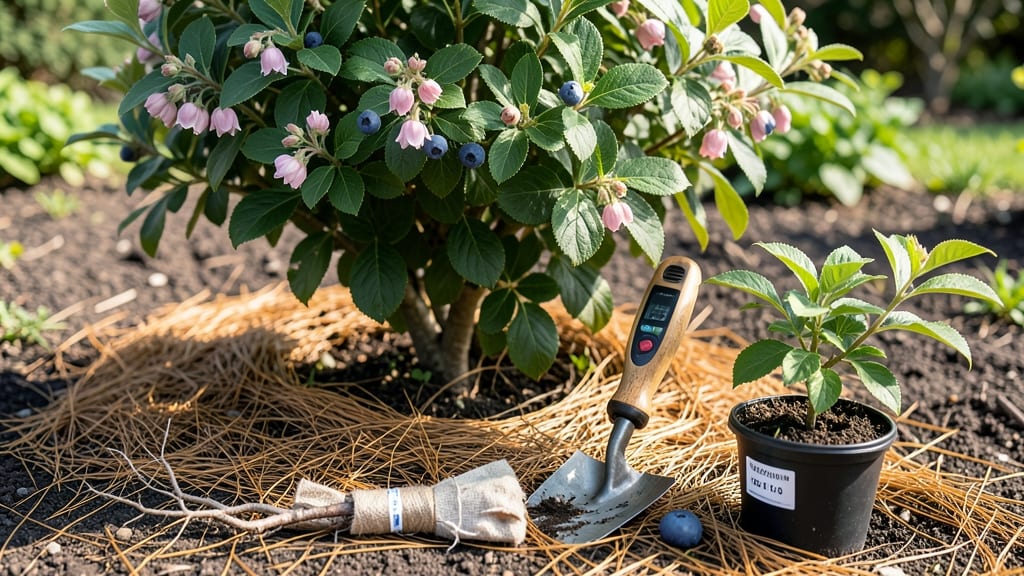
Timing your blueberry planting in Massachusetts isn’t just about picking a month—it’s about beating the clock before frost strikes or the soil warms enough for roots to take hold. One wrong move, and your 🫐 saplings could end up stunted or worse, lost to late-season freezes.
With USDA zones 5b-6b bringing unpredictable swings between 30°F and 80°F, knowing the exact window matters more than you’d think.
Most gardeners in MA swear by early spring (March-April) or early fall (September-October) as the sweet spots—but why? It’s not just about avoiding frost; it’s about soil temperatures hitting that 50°F+ threshold, when roots can finally spread without shock.
I’ll break down the science behind these windows and how to adjust for your specific corner of the state, whether you’re in coastal Zone 6b or inland Zone 5b.
What if you’re new to growing 🫐 bushes? You’ll learn how to prep your soil for acid-loving plants, spot the signs of premature planting (like wilting leaves), and even work around container gardening if space is tight.
No more guessing—just proven strategies to get your blueberries off to a strong start.
Ready to turn your yard into a berry patch? Let’s dive into the exact planting deadlines, soil secrets, and variety picks that’ll have you harvesting juicy 🫐 by next summer. The clock’s ticking—don’t wait until it’s too late!
Massachusetts blueberry planting deadlines by hardiness Zone (5-7)
Massachusetts spans USDA Hardiness Zones 5b through 6b, where last frost dates vary dramatically—from early April in southern regions to late May in northern areas. This variability means your blueberry planting window must align with soil temperatures (ideally 50°F+) and frost-free deadlines to ensure root establishment before winter.
Let’s break down the critical timing by zone.
For Zone 5b (e.g., Worcester, Springfield), aim to plant bare-root blueberries between March 15 and April 15. In Zone 6a (e.g., Boston, Providence), you can extend your window slightly to March 1 to April 30.
Fall planting is also viable in September-October, but only if soil temperatures remain above 50°F for 4-6 weeks post-planting.
Missed the spring window? Don’t panic—fall planting works too, but only if you can protect young bushes from early frosts with mulch or frost cloth. The key is to plant 6-8 weeks before your first frost date, giving roots time to establish before dormancy.
Here’s the non-negotiable rule: Never plant when soil temperatures are below 50°F. Cold soil stunts root growth, leaving your blueberries vulnerable to winter kill. Use a soil thermometer to confirm readiness—this small tool saves months of frustration.
Pro tip: In Zone 6b, where summers are longer, you can push spring planting to early May if you’re using container-grown plants (they adapt faster than bare-root). However, bare-root plants must go in before buds swell—typically by mid-April.
🌱
📅 Massachusetts Blueberry Planting Deadlines by Zone
| Zone | Last Frost Date | Spring Planting Window | Fall Planting Window | Soil Temp Requirement |
|---|---|---|---|---|
| 5b (Worcester, Springfield) | April 15 | March 15–April 15 | September 15–October 15 | 50°F+ |
| 6a (Boston, Providence) | April 30 | March 1–April 30 | September 1–October 15 | 50°F+ |
| 6b (Northampton, Pittsfield) | May 15 | March 15–May 1 (containers) | September 1–October 10 | 50°F+ |
⚠️ Critical: Adjust dates 1-2 weeks earlier for high-elevation areas (e.g., Berkshires).
Why does this table matter? Because planting too early risks frost damage to new growth, while planting too late leaves roots exposed to winter stress. For example, in Zone 5b, planting after April 15 means your blueberry may not establish roots before the next frost cycle.
Use these deadlines as your planting GPS.
One common mistake? Assuming air temperature = soil temperature. Soil warms 3-4 weeks slower than air, so even if April feels spring-like, your soil may still be too cold. Test it—bury your thermometer 4 inches deep for accurate readings.
For container planting, you’ve got slightly more flexibility. Containers warm up faster, so you can plant 2-3 weeks later than in-ground. However, containers also dry out faster—so water deeply every 5-7 days during the first growing season.
🌿
How to time blueberry planting for maximum survival in MA’s climate
Massachusetts’ unpredictable frost dates and soil temperature swings can turn a blueberry planting into a gamble if you’re not strategic. The key to survival? Planting when the soil reaches 50°F+ and roots can establish before winter’s return.
In my Zone 5b garden, I’ve learned that late April is my safest bet for spring planting—after the last frost (April 15 on average), but before the heat of summer stresses young roots.
For fall planting, aim for early September in Zone 6b (coastal areas) or mid-September inland. This gives roots 6-8 weeks to settle before the ground freezes. I once planted in October, and my bushes struggled through the winter—don’t make that mistake!
🌱Pro Tip: Use a soil thermometer to confirm temperatures. If your soil is still below 50°F, wait—roots won’t thrive in cold soil. For container growers, bring pots indoors if frost is forecasted within 2 weeks of planting.
Microclimates play a huge role in MA. If you’re in a cooler valley or elevated area, plant 2 weeks later than your zone’s average.
My neighbor in Zone 6a near the coast planted in March, while I waited until April—her bushes struggled with frost damage, and mine thrived.
💧Soil Prep Hack: Mix in composted pine needles or peat moss to lower pH to 4.5-5.5. Blueberries hate alkaline soil—test your soil first! I use a $10 home test kit from garden centers to avoid costly mistakes.
For container planting, use acidic potting mix and ensure pots have drainage holes. Move containers to a protected spot (like a garage or shed) if frost threatens. I’ve grown dwarf varieties in 20-gallon pots for years—just don’t skimp on root space!