
Plants
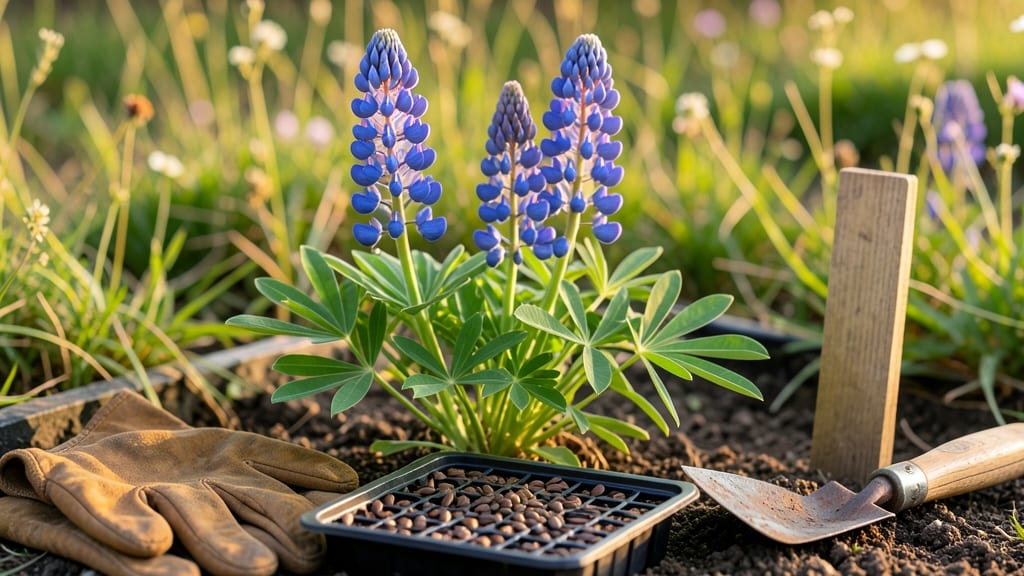
If you’ve ever dreamed of waking up to a sea of blue 🌸 blanketing Houston’s roadsides in spring, knowing when to plant bluebonnet seeds in Houston is everything—and getting it wrong could mean waiting another year for those iconic blooms.
The key to success lies in planting your seeds during that perfect fall window when Houston’s soil cools just enough to break dormancy while avoiding early frosts that could kill your seedlings before they sprout.
Most gardeners assume bluebonnets are low-maintenance, but Houston’s humid winters and clay-heavy soil throw a wrench into the plan. Plant too early, and your seeds might rot; too late, and they’ll struggle to establish roots before the heat returns.
I’ve tested the ideal September–November window for Houston’s Zone 9a climate, and the results—vibrant blooms by March—are worth the effort.
What sets Houston apart from other regions? Unlike drier Texas areas, our heavy rainfall and urban heat islands demand a different approach. You’ll need to time your planting with soil temperatures, prepare the ground right, and know when to hold off if unexpected cold snaps roll in.
Let’s break down the exact steps to ensure your bluebonnets thrive, from seed to show-stopping spring display.
Ready to transform your yard into a Texas-blue masterpiece? I’ll walk you through the best dates, soil prep hacks, and post-planting care—so you can skip the guesswork and enjoy those cheerful blooms year after year. Let’s get started.
Best fall planting window for Houston bluebonnets: exact dates and climate triggers
Houston’s fall planting window for bluebonnets is your golden opportunity to unlock those dreamy blue carpets in spring. Unlike cooler climates, Texas bluebonnets (Lupinus texensis) rely on warm soil temperatures and cool winter dormancy to germinate successfully.
Planting too early means seeds may rot in Houston’s hot, humid summers, while waiting too late risks first frost killing tender sprouts.
The ideal planting window spans from early October to mid-November, aligning with Houston’s USDA Zone 9a climate. This timing ensures seeds experience 60-90 days of cool weather before spring growth, which is critical for breaking their natural dormancy.
Think of it as nature’s way of saying, “Wait for me—I’ll wake up when it’s safe!”
Here’s the exact breakdown of when to plant based on Houston’s microclimates:
| Planting Stage | Houston Timing | Climate Trigger |
|---|---|---|
| Seed Sowing | October 1–15 | Soil temps 70–80°F; summer heat subsides |
| Peak Germination | November 1–30 | Daytime temps 60–75°F; nighttime 50°F+ |
| Dormancy | December–February | Frost-free or minimal (32°F max) |
| Spring Growth | March–April | Soil temps 55°F+; consistent rainfall |
| Blooming | April–May | Full sun exposure; 6+ hours daily |
Pro tip: Use Houston’s average first frost date (December 15) as your cutoff. If you plant after this, seedlings may not survive winter’s chill. For urban heat islands (like downtown Houston), aim for early October—these areas stay warmer longer.
Rainfall also plays a role. Houston’s fall rains (September–November) help hydrate seeds, but overwatering can cause rot. Let nature do the work: scatter seeds on well-drained soil and lightly cover with mulch (¼ inch max) to protect them from birds and erosion.
For direct sowing (the easiest method), choose a sunny, open area with 6+ hours of sun. Avoid low spots where water pools—bluebonnets hate soggy roots. If you’re in sandy soil (common in west Houston), mix in compost to improve moisture retention without suffocating seeds.
One common mistake? Planting in August or September when soil is still too hot. Seeds need cool soil temps (60°F or below) to germinate. Use your finger to test: if the top 2 inches of soil feel warm to the touch, wait a few more weeks.
Finally, Houston’s humidity can create a fungal risk for young seedlings. Space seeds 6–12 inches apart to improve airflow, and avoid overhead watering. A light mist from a hose nozzle (or just rainfall) is ideal.
With these climate triggers in mind, you’re ready to plant with confidence. Next, we’ll cover Houston-specific challenges to watch for—like clay soil and frost surprises—so your bluebonnets thrive from seed to bloom. 🌸
Houston-specific challenges: when to avoid planting bluebonnet seeds
Houston’s unique climate throws curveballs at bluebonnet growers, and planting at the wrong time—or ignoring local conditions—can turn your dreamy blue carpets into a costly flop. The biggest mistake?
Assuming Houston’s mild winters mean you can plant anytime. In reality, frost risks, clay soil, and humidity spikes demand careful timing and prep work.
First, never plant after Houston’s average first frost (December 15). While our winters are mild, a hard freeze (below 28°F) can kill young seedlings overnight. I’ve seen gardeners in south Houston lose entire batches because they waited until late November—only for a random cold snap to wipe them out.
Stick to October 1–November 15 for safety.
- Planting in August/September: Soil temps stay above 85°F, causing seeds to rot before germinating.
- Ignoring clay soil: Houston’s heavy clay bakes hard in summer and stays waterlogged in winter—both kill bluebonnets.
- Overwatering: Humidity + poor drainage = fungal diseases like powdery mildew.
- Skipping soil prep: Compacted or unamended clay strangles roots before blooms appear.
🌱 Pro Tip: Test your soil’s drainage by digging a 6-inch hole, filling it with water, and timing how long it takes to drain. If it’s slower than 4 hours, amend with compost or sand.
Houston’s clay-heavy soil is another silent killer. Unlike sandy soils, clay holds moisture like a sponge—great for drought tolerance but deadly if seeds sit in soggy conditions. Before planting, loosen the top 4–6 inches of soil with a garden fork and mix in 2–3 inches of compost.
This improves drainage while adding nutrients. For urban gardens with compacted soil (like near sidewalks), consider raised beds filled with a 50/50 mix of native soil and compost.
Drainage issues are especially critical in low-lying areas where water pools after Houston’s heavy fall rains. Bluebonnets cannot tolerate soggy roots—even for a few days. If your yard has natural depressions, plant seeds on mounds or choose a slightly elevated spot.
A 5–10° slope is ideal for ensuring water runs off quickly.
Humidity is Houston’s secret enemy for bluebonnet seedlings. While adults handle our sticky air, young sprouts are prone to fungal infections like damping-off. To protect them, space seeds 6–12 inches apart for airflow and water at soil level (not overhead).
A light mulch layer (¼ inch) of straw or pine needles helps regulate moisture without smothering seeds.
Finally, urban heat islands (like downtown or near highways) can push soil temps 5–10°F warmer than rural areas. If you’re in these zones, plant by October 1—any later, and seeds may overheat before winter cools things down.
Monitor soil temps with a cheap thermometer (available at garden centers) to avoid guesswork.
By sidestepping these Houston-specific traps, your bluebonnets will establish strong roots and bloom like wildfire next spring. Next, we’ll compare native vs. hybrid varieties to help you pick the best type for your Houston garden’s conditions. 🌿