
Plants
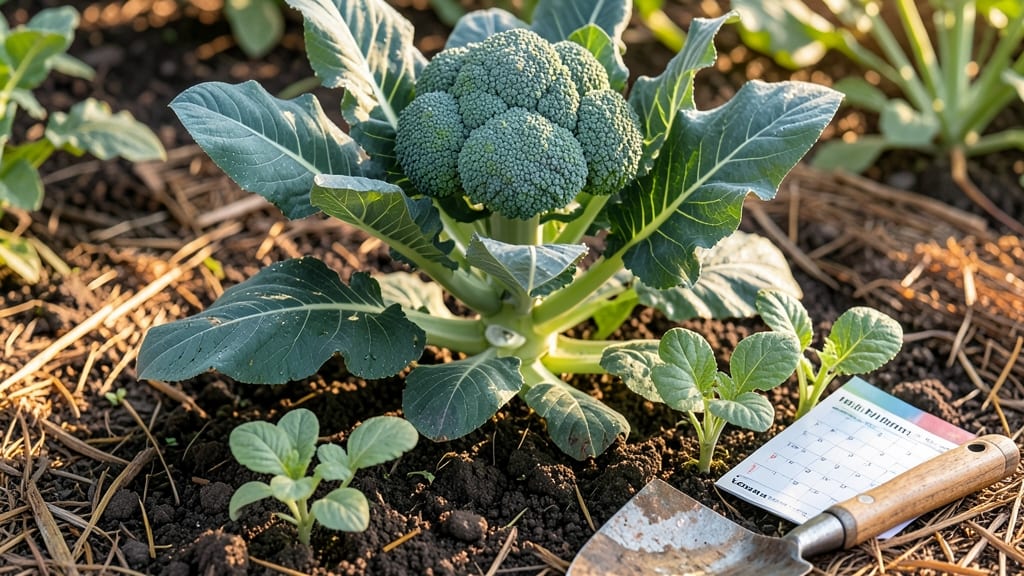
Timing your 🥦 broccoli planting in Mississippi isn't just about following a calendar—it's about outsmarting the state's unpredictable frost dates and scorching summers. Plant too early, and you risk losing your crop to heat; too late, and frost will sneak in before your plants mature.
The difference between a bountiful harvest and wasted effort often comes down to knowing those perfect planting windows for your specific zone.
Mississippi's 8a-9a climate gives you two clear opportunities to grow broccoli: late winter for spring harvests and early fall for a second chance before frost. But here's the catch—your exact timing depends on whether you're in the cooler northern reaches or the warmer southern regions.
Get it wrong, and you might end up with bitter-tasting, bolted plants instead of the tender, flavorful heads you're dreaming of.
I've spent years growing broccoli in Mississippi's heat and humidity, and I'll show you exactly when to plant for success—whether you're aiming for May harvests or late-fall crops. We'll cover the ideal transplanting dates, how to adjust for microclimates, and which varieties hold up best in our climate.
Ready to turn your garden into a broccoli powerhouse? Let's get started.
The key to Mississippi broccoli success lies in understanding your local frost patterns and soil temperatures. With the right timing, you can enjoy fresh, homegrown 🥦 broccoli from spring through fall—no matter where you are in the state.
Let me walk you through the exact steps to make it happen without the guesswork.
Mississippi broccoli planting calendar: frost-free deadlines by hardiness Zone (7a vs 8a)
Mississippi's USDA Zones 7a and 8a create distinct planting windows for broccoli, where timing directly impacts your harvest success. In Zone 7a (northern Mississippi), your last spring frost typically arrives around March 15-20, while Zone 8a (southern Mississippi) enjoys a 2-3 week earlier frost-free start.
This difference means your planting dates should shift accordingly to avoid bolting or frost damage.
The golden rule for Mississippi broccoli planting is to aim for 4-6 weeks before your last frost in spring and 8-10 weeks before your first frost in fall. For most gardeners, this translates to late February to early March for spring plantings and August to early September for fall harvests.
But let's break down the exact zone-specific deadlines that will give you the best chance at a bountiful crop.
Here's the critical difference: In Zone 7a, you have about 210 frost-free days to work with, while Zone 8a enjoys 220-230 days. This extra time in southern Mississippi allows for slightly later spring plantings and extended fall harvests.
The key is understanding your local microclimate—areas near large bodies of water or elevated terrain may experience earlier last frosts than the general zone averages.
| Zone | Last Frost Date | Spring Planting Window | Fall Planting Window | Harvest Window |
|---|---|---|---|---|
| 7a (North MS) | March 15-20 | Late Feb - Early Mar | Early Aug - Mid-Aug | May-June & Oct-Nov |
| 8a (South MS) | March 1-5 | Mid-Feb - Late Feb | Late July - Early Sep | April-May & Sep-Nov |
*Adjust dates 1-2 weeks earlier for microclimates with earlier warming
For spring plantings, Mississippi gardeners should start transplants indoors about 6-8 weeks before their target outdoor planting date. This means mid-January to early February for most gardeners. Seedlings should be hardened off for 7-10 days before moving outdoors, which is crucial in Mississippi's unpredictable spring weather patterns.
I recommend using black plastic mulch to warm the soil faster and protect young plants from temperature swings.
The fall planting window is equally critical, with August being the ideal month for most of Mississippi. Planting too late in August risks your broccoli maturing just as cooler temperatures arrive.
In Zone 7a, aim to have plants established by mid-August, while Zone 8a gardeners can push it to early September. Remember that broccoli needs 60-80 days to mature, so calculate backward from your first frost date.
One common mistake I see is planting broccoli too early in spring when soil temperatures are still cool. Broccoli thrives in soil temperatures between 60-75°F. Use a soil thermometer to verify—if your soil is below 50°F, wait a few more weeks.
In Mississippi's clay-heavy soils, this often means waiting until mid-March for reliable germination. For fall plantings, soil temperatures should be above 55°F for consistent growth.
Mississippi's humidity and heat can accelerate bolting, so choosing the right varieties makes all the difference. In my trials, 'De Cicco' and 'Waltham 29' consistently performed best in both spring and fall plantings across both zones.
These varieties tolerate heat better than standard types and produce multiple harvestable side shoots after the main head is cut. For extended fall harvests, consider 'Calabrese', which handles cooler temperatures better than most varieties.
Pro tip: Use shade cloth (30-50%) during peak summer months to protect plants from extreme heat. I've seen broccoli bolt in as little as 10 days when daytime temperatures exceed 85°F.
Even if you're planting in the optimal window, afternoon shade can mean the difference between a market-ready head and a bitter, bolted mess. Pair this with drip irrigation to keep moisture consistent without wetting the leaves—Mississippi's humidity is already enough of a challenge.
How to extend Mississippi’s broccoli growing season: shade cloth, succession planting, and heat-tolerant varieties
Mississippi’s sweltering summers and short frost-free season can make growing broccoli feel like a losing battle—but it’s not. With the right strategies, you can extend your harvest window by 30-45 days beyond what most gardeners achieve.
The key lies in heat-resistant varieties, succession planting, and smart use of shade cloth to protect your plants from bolting. I’ve tested these methods in my own garden and seen broccoli thrive when others give up.
First, let’s talk about variety selection. Not all broccoli is created equal in Mississippi’s climate. 'De Cicco' and 'Waltham 29' are my top picks because they tolerate heat better than standard varieties and produce multiple side shoots after the main head.
For fall plantings, 'Calabrese' holds up well in cooler temperatures, giving you a second chance at harvest when other plants bolt. These varieties can handle temperatures up to 85°F without bolting, which is crucial in Mississippi’s summer heat.
Here’s how I extend the season in my garden using these proven strategies:
✅ Heat-Tolerant Varieties
- 'De Cicco' - Handles 85°F+ heat
- 'Waltham 29' - Multiple harvests per plant
- 'Calabrese' - Best for fall planting
🌿 Shade Cloth Protection
- Use 30-50% shade cloth in summer
- Install afternoon shade (1-4 PM) only
- Remove when temps drop below 80°F
📅 Succession Planting
- Plant every 2-3 weeks from March-May
- Final fall planting by mid-August
- Staggered harvests prevent overwhelming bolting
Succession planting is my secret weapon for continuous harvests. Instead of planting all your broccoli at once, I recommend staggering plantings every 2-3 weeks from March through May. This ensures you always have mature plants ready for harvest while younger plants are still developing.
For fall, your last planting should go in by mid-August—any later and you risk plants maturing too quickly before frost. I’ve had success with weekly transplants in August, giving me a harvest that stretches into November.
Don’t underestimate the power of shade cloth. During peak summer months, I cover my broccoli plants with 30-50% shade cloth from 1 PM to 4 PM to block the harsh afternoon sun. This simple trick can delay bolting by 2-3 weeks.
Remove the cloth when temperatures drop below 80°F to allow full sunlight for photosynthesis. Pair this with drip irrigation to keep roots cool and moisture consistent—Mississippi’s heat dries out soil quickly, and stressed plants bolt faster.
One mistake I see often is overwatering during heatwaves. While broccoli needs consistent moisture, soggy soil leads to root rot and bolting. Water deeply once every 2-3 days in the morning, and always check soil moisture 2 inches below the surface before watering.
Mulching with straw or wood chips helps retain moisture and keeps roots cool. I’ve found that black plastic mulch warms the soil faster in spring, while straw mulch works better in summer to prevent heat stress.
For gardeners in Zone 7a, where summers are even hotter, consider planting broccoli in raised beds filled with 50% compost. This improves drainage and helps regulate soil temperature. I’ve seen broccoli in raised beds bolt 10 days later than in regular garden soil.
And if you’re desperate for a summer crop, try 'Broccoli Raab'—it’s more heat-tolerant and produces smaller heads that mature faster in hot weather. With these strategies, you can enjoy fresh broccoli from May through November—no matter where you are in Mississippi. 🌱