
Plants
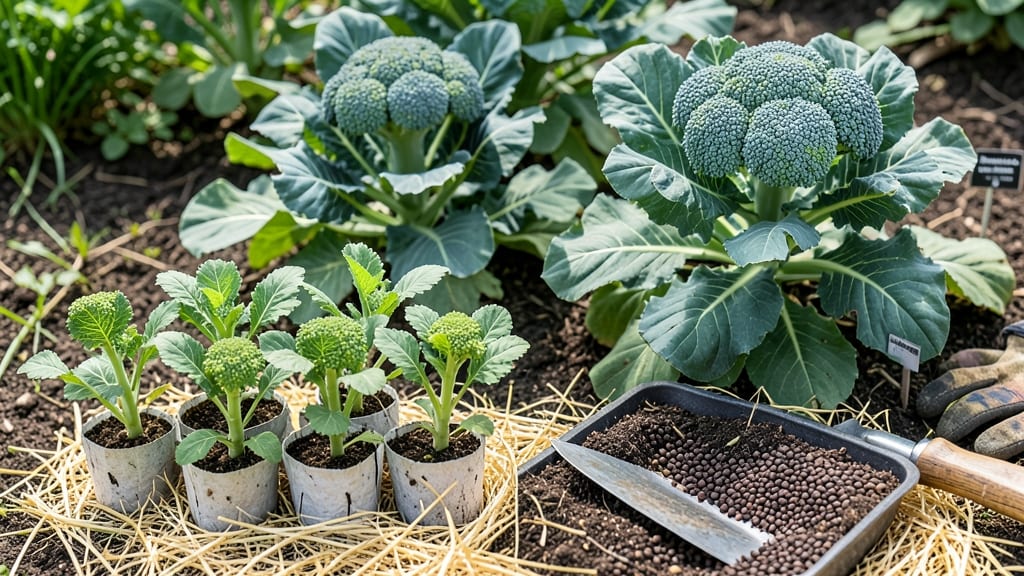
Timing your 🥦 broccoli planting in Seattle wrong could mean the difference between a bountiful harvest and a sad, bolted mess—especially when coastal and inland zones play by different rules.
The 8a climate might feel mild, but those March 15 frost dates don’t care about your schedule, and summer heat will turn your heads into bitter sticks if you’re not careful.
You’ve got two shots at success: spring (March-April) for May-June harvests or fall (August-September) to enjoy October-November crops. But here’s the catch—coastal areas near Puget Sound can plant 2-3 weeks earlier than inland spots like Redmond, where warmer microclimates demand later starts.
Plus, container gardening adds another layer of timing precision.
Whether you’re sowing seeds indoors 6 weeks before transplanting or going straight to the dirt, I’ll break down the exact windows for your zone—plus how to pick the right varieties (heading types like ‘Waltham 29’ vs sprouting types) to beat Seattle’s quirks.
Let’s get those 🥦 plants in the ground at the perfect moment.
Ready to stop guessing and start growing? I’ll walk you through soil temps, frost risk, and even how to stretch your season with row covers—so you’re harvesting crisp, flavorful broccoli instead of bolting disappointment.
Seattle broccoli planting calendar: coastal vs inland timing for optimal growth
Seattle’s two distinct climates—coastal (milder, wetter) and inland (warmer, drier)—demand different broccoli planting strategies. Coastal areas like Ballard or West Seattle stay cooler longer, while inland spots like Redmond or Carnation warm up faster.
Timing your spring and fall plantings around these differences ensures your broccoli thrives instead of bolting or freezing.
For spring harvests, aim to plant 4-6 weeks before Seattle’s last frost date (March 15). Coastal gardeners can start indoors in late February for transplants, while inland gardeners should wait until mid-March to avoid early frost damage.
Fall crops need 75-90 days to mature before the first frost (November 15), so coastal areas can sow seeds as late as early September, while inland gardeners should finish by mid-August.
Direct sowing outdoors is simpler but riskier—coastal zones can handle early March plantings, while inland zones should wait until mid-April.
If you’re starting seeds indoors, coastal gardeners can begin in late January, while inland gardeners should start in early February to match their later outdoor transplant dates.
If you’re unsure about your microclimate, use a soil thermometer—broccoli seeds need 45°F+ soil to germinate. Coastal gardeners can push spring plantings to late February if soil temps are stable, while inland gardeners should wait until mid-April to avoid heat stress.
For fall crops, coastal areas have a 2-week advantage over inland zones due to later frosts.
Pro tip: Row covers can extend your spring planting window by 2-3 weeks in both zones. Use them to protect seedlings from late frosts or cool winds near Puget Sound.
Just remove covers once plants are established to prevent overheating. Inland gardeners can also use shade cloth (30%) during summer to prevent bolting if planting late.
For container gardening, coastal gardeners can start seeds in pots by late February and transplant outdoors by early April. Inland gardeners should delay until mid-March indoors and late April outdoors. Containers warm up faster, so monitor soil moisture closely—daily watering may be needed in summer.
Remember: Broccoli grows best in cool weather (50-75°F). Inland Seattle’s hotter summers mean you’ll need to focus on fall plantings for reliable harvests, while coastal gardeners can squeeze in two partial harvests (spring and fall) with careful timing.
Start with cold-hardy varieties like ‘Waltham 29’ for coastal zones or ‘Calabrese’ for inland heat tolerance.
🌱
How to adjust broccoli planting for Seattle’s microclimates: 5 key factors
Seattle’s microclimates can shift your broccoli’s success from "thriving" to "struggling" in just a few blocks. For example, the University District stays cooler and wetter than South Seattle, where summer heat arrives earlier. Understanding these 5 key factors will help you fine-tune your planting schedule for your exact location.
First, check your elevation. Areas like Capitol Hill (300+ ft) experience earlier frost than Ballard (sea-level), which stays milder. Use a soil thermometer—broccoli roots need 40°F+ soil temps to germinate.
If your soil runs cold (common in North Seattle), start seeds indoors 6-8 weeks before your target transplant date.
Next, account for wind exposure. Coastal areas like West Seattle face salty winds that stress young plants. Use windbreaks (like tall sunflowers or bamboo fencing) to protect seedlings. Inland zones (e.g., Issaquah) may need shade cloth in peak summer to prevent bolting—when broccoli flowers prematurely.
Don’t overlook urban heat islands. Downtown Seattle can be 5-10°F warmer than nearby parks, pushing your planting window 2-3 weeks earlier. If your garden sits near pavement or buildings, opt for heat-tolerant varieties like ‘De Cicco’ and plant fall crops by mid-August instead of September.
For container gardening (ideal for patios or balconies), adjust timing by 2 weeks earlier than in-ground planting. Pots dry out faster, so broccoli may bolt sooner in summer. Use self-watering containers and choose dwarf varieties like ‘Calabrese’ to avoid overcrowding. Water containers daily in summer to maintain moisture.
Finally, extend your season with row covers or cold frames. These let you plant fall broccoli as late as September in coastal zones or early August inland.
Just remove covers when temps hit 80°F+ to prevent overheating. With these adjustments, you’ll harvest two crops per year—spring and fall—no matter where you garden in Seattle.