
Plants
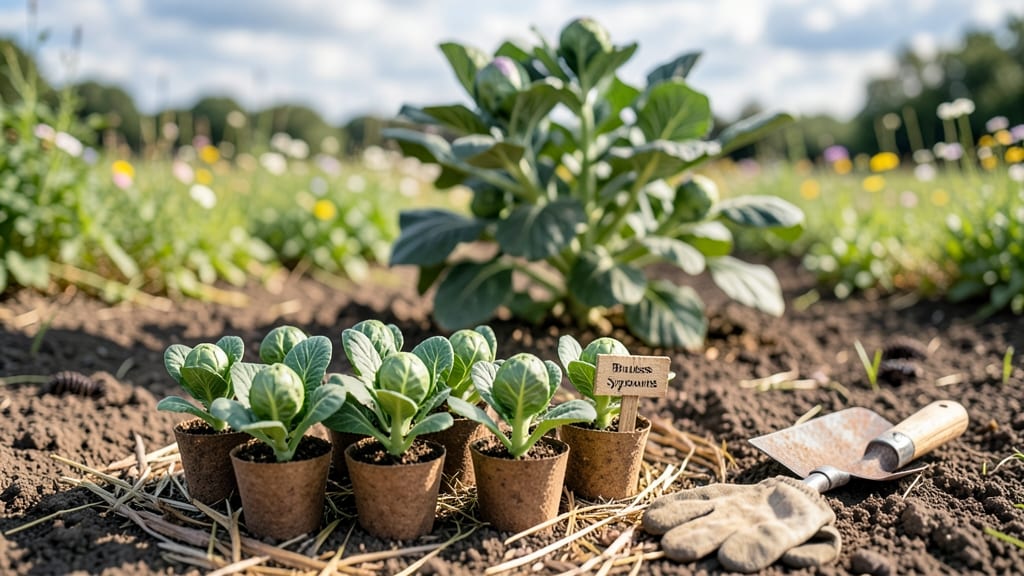
Timing is everything when it comes to growing Brussel sprouts 🥦 in Zone 8, and planting them too early or late can turn your sweet harvest into bitter disappointment.
The key to success lies in that narrow frost-free window between late summer and early fall, where temperatures are cool enough to prevent bolting but warm enough to avoid stunted growth.
If you've ever wondered why your brussel sprouts bolted into flower or stayed tiny and tough, chances are you planted them outside their ideal window.
In Zone 8, where summers can linger into September, getting the timing right means the difference between a garden full of golf-ball-sized gems and a sad, underperforming plant. Let me show you exactly when to plant for that perfect harvest window.
We'll cover the exact dates for both direct sowing and transplanting, plus how to adjust for your specific Zone 8 microclimate. You'll learn how to read your soil's temperature cues and avoid those common mistakes that leave gardeners scratching their heads come October.
With the right timing, you could be enjoying homegrown brussel sprouts by Thanksgiving!
The best part? This isn't just theory - I'll share practical tips that have worked for gardeners in your zone, from companion planting to post-harvest care.
Whether you're a first-time grower or looking to refine your technique, these insights will help you maximize your 90-120 day growing season and enjoy a bountiful fall harvest.

Optimal planting timeline for brussel sprouts in Zone 8 (avoid bolting & frost risks)
In Zone 8, the 60-90 day frost-free window for brussel sprouts 🥦 is your golden ticket to avoiding bitter bolting and stunted growth. The magic happens between late July and mid-September, when soil temperatures drop below 80°F (27°C) but before the first frost threatens.
This window ensures your plants mature before winter sets in, giving you time for a 90-120 day growing season and a harvest just in time for holiday feasts.
Zone 8's microclimates—like coastal areas with milder winters or inland regions with earlier frosts—can shift your ideal planting dates by 2-4 weeks. For example, coastal Zone 8 gardeners might plant as late as early October, while inland areas should aim for mid-August to avoid frost risks.
Always check your local last frost date, which typically falls around December 15 for most of Zone 8.
Here’s the breakdown: If you’re starting seeds indoors, begin 8-10 weeks before your last frost date (around mid-October). For direct sowing outdoors, wait until late July to early August when soil temps are below 75°F (24°C).
Transplants can go in 1-2 weeks after direct sowing to give them a head start.
Miss the ideal window? Don’t panic. If you plant in late September, opt for fast-maturing varieties like 'Long Island Improved' (85 days) or 'Jade Cross' (90 days).
These can still produce a harvest before frost, though yields may be smaller. Just avoid planting after mid-October—your plants won’t have enough time to mature before winter.
Pro tip: Use black plastic mulch to warm soil in early August or shade cloth to protect seedlings from late-summer heat. This gives you flexibility in timing while keeping your plants happy.
Pair this with drip irrigation to maintain consistent moisture, and you’ll be well on your way to a sweet, bolting-free harvest.
Remember, the goal is to have your brussel sprouts reach harvest size (1-1.5 inches) before temperatures drop below 40°F (4°C). With the right timing, you could be enjoying homegrown sprouts as early as October and stretching your harvest through December—just in time for the holidays!
Next, we’ll dive into the 5 critical factors that determine whether your brussel sprouts thrive or struggle, beyond just planting dates. You’ll learn how to read your soil’s temperature cues and spot warning signs like yellowing leaves or premature flowering—so you can adjust your approach for a foolproof harvest.
5 Critical factors that determine your Zone 8 planting success (beyond dates)
Once you’ve nailed down your planting dates, the next challenge is ensuring your brussel sprouts 🥦 grow into sweet, flavorful gems rather than bitter, stunted plants. In Zone 8, these 5 critical factors often make or break your harvest—even when timing is perfect.
Let’s break down what truly matters beyond just the calendar.
The first factor is soil temperature. Brussels sprouts thrive when soil stays between 60-70°F (15-21°C). If your soil is still above 75°F (24°C) in late summer, your plants will bolt prematurely.
Use a soil thermometer to check temps before planting—this simple tool can save your harvest. For example, inland Zone 8 areas often need to wait until mid-August for soil to cool enough.
Day length plays a surprising role too. Brussels sprouts require shorter days (12-14 hours of light) to trigger sprout formation. If you plant too early in Zone 8’s long summer days, your plants may stay vegetative.
This is why late July to early August is ideal—it aligns with the natural shift toward shorter days. You can also use shade cloth (30-50%) if planting earlier to mimic shorter daylight conditions.
- 1. Soil Temperature: Must stay 60-70°F (15-21°C)—use a thermometer to verify before planting.
- 2. Day Length: Needs 12-14 hours of light—plant in late July/August when days naturally shorten.
- 3. Heat Tolerance: Avoid planting when temps exceed 85°F (29°C)—use shade cloth if needed.
- 4. Succession Planting: Stagger plantings every 2-3 weeks in August-September for extended harvests.
- 5. Warning Signs: Watch for yellowing leaves (nutrient deficiency) or premature flowering (heat stress).
Heat tolerance is another common pitfall in Zone 8. While brussel sprouts can handle moderate heat (up to 80°F/27°C), temperatures above 85°F (29°C) will stress your plants, leading to bitter sprouts or bolting.
If your summer stretches into September with high temps, opt for heat-tolerant varieties like 'Ruby' or 'Coronet'—these can handle slightly warmer conditions better than standard varieties.
Succession planting is your secret weapon for extending harvests in Zone 8. Instead of planting all your seeds at once, stagger plantings every 2-3 weeks from late July through September. This ensures a continuous supply of fresh sprouts from October through December.
For example, if you plant one batch in late July, follow with another in early August, then late August—each will mature at different times, giving you a 3-week harvest window instead of just one.
Finally, watch for these warning signs that your timing or conditions are off: yellowing leaves (often from nitrogen deficiency or overwatering), premature flowering (a sign of heat stress), or stunted growth (usually from poor soil or overcrowding).
If you spot these, adjust your care immediately—adding compost, thinning plants, or providing shade can often save your crop. With these factors in mind, you’ll be well on your way to a sweet, bolting-free harvest that rivals store-bought quality.
Next, we’ll compare brussel sprouts to their cool-weather cousins—broccoli and cabbage—to help you decide which crop fits best in your Zone 8 late-summer garden. You’ll discover why brussel sprouts demand stricter timing and how their growing habits differ from these more forgiving plants.