
Plants
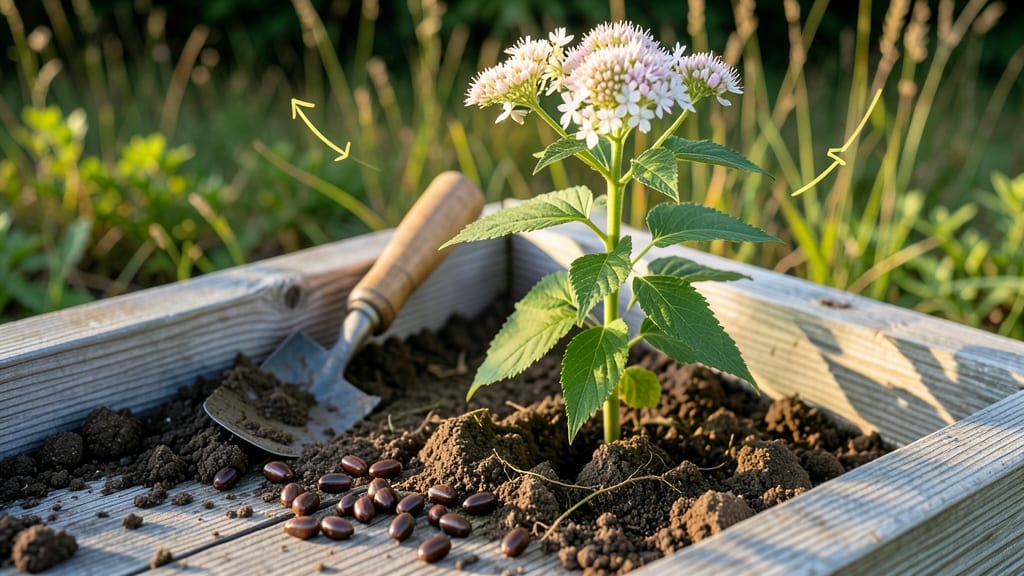
If you're planting buckwheat in Georgia, timing is everything—get it wrong, and you’ll miss out on that fast, reliable germination this hardy crop is known for. The key lies in understanding your zone’s frost-free window, because buckwheat 🌾 hates surprises like late frosts or scorching summer heat.
For most of Georgia (zones 7b-8b), your best bet is planting between March 15 and April 30 for spring crops or August 1 to September 15 for fall.
These windows align with soil temperatures of 60°F or warmer, which is when buckwheat really wakes up and starts growing like a weed—just what you want for quick cover crop success.
But here’s the catch: planting too early risks frost damage, while waiting too late can mean your buckwheat bolts before you even get to harvest. I’ll break down exactly how to match your zone’s last frost date with buckwheat’s 5-7 day germination window so you’re never left guessing.
Ready to grow buckwheat that thrives? Let’s dive into the exact planting schedule tailored for Georgia’s climate—no more trial and error, just fast, foolproof results.
Georgia buckwheat planting calendar by hardiness Zone (7a-8b) for fast germination
Georgia’s USDA zones 7a-8b create distinct planting windows for buckwheat 🌾, where a 5-7 day germination window means timing is critical. The last frost date varies by zone, and buckwheat’s sensitivity to soil temperatures below 50°F means waiting too long can delay growth.
Let’s break down the exact windows for each zone to ensure your buckwheat gets off to a fast, healthy start.
For Zone 7a, the last frost typically hits around March 20-25, so your ideal planting window is April 1-15. This gives your seeds time to germinate before summer heat arrives.
In Zone 7b, where last frosts occur around March 15-20, you can plant as early as March 25-April 10 for a head start.
Zones 8a and 8b have the longest frost-free seasons, with last frosts around March 1-15. Here, you can plant as early as March 15-April 1 for spring crops, giving you more flexibility. However, avoid planting before soil reaches 60°F, or germination slows dramatically.
Fall planting in Georgia works best from August 1-September 15 across all zones, as temperatures remain warm enough for germination while avoiding the first frost (typically November 15). This window ensures your buckwheat matures before cold sets in.
| Zone | Last Frost Date | Spring Planting Window | Fall Planting Window | Soil Temp Threshold |
|---|---|---|---|---|
| 7a | March 20-25 | April 1-15 | August 15-Sept 1 | 60°F+ |
| 7b | March 15-20 | March 25-April 10 | August 1-Sept 15 | 60°F+ |
| 8a | March 1-15 | March 15-April 1 | August 1-Sept 15 | 55°F+ |
| 8b | Feb 28-March 10 | March 1-April 1 | August 1-Sept 15 | 50°F+ |
If you’re in Zone 8a or 8b, you can push your spring planting even earlier—late February—but only if your soil is already 55°F or warmer. Use a soil thermometer to check, because cold soil slows germination to 10+ days, cutting into your harvest window.
For fall planting, aim to finish 60-75 days before your first frost. In Zone 7a, this means harvesting by late October, while Zone 8b gardeners can extend harvests into early November. Planting too late risks immature seeds or frost damage to young plants.
Pro tip: If you’re using buckwheat as a cover crop, plant it 4-6 weeks before your intended harvest date to maximize soil improvement. This works especially well in late summer for fall planting, giving it time to establish before cooler weather arrives.
Remember, buckwheat’s fast germination is its superpower—but only if planted in the right conditions. Stick to these zone-specific windows, and you’ll avoid the common pitfall of slow starts or missed harvests.
5 Critical factors that determine the best buckwheat planting time in Georgia
Buckwheat’s planting success in Georgia hinges on five key factors beyond just frost dates. First, soil temperature is non-negotiable—buckwheat 🌾 needs soil at 60°F or warmer to germinate in 5-7 days.
Cold soil slows this down to 10+ days, cutting your harvest window. Use a soil thermometer to confirm before planting, especially in Zone 7a where early springs can be chilly.
Second, day length (photoperiod sensitivity) triggers buckwheat’s growth cycle. Longer days in late spring speed up flowering, while shorter days in fall delay maturation. Planting in August-September gives you the perfect balance—warm soil + shortening days for reliable seed set before frost.
The third factor is humidity levels. Georgia’s summer heat brings high humidity, which can promote fungal diseases like powdery mildew. Planting in spring (March-April) or early fall (August) avoids the peak humidity months of June-July, reducing disease pressure on young seedlings.
Fourth, pest pressure varies by season. Wireworms and cutworms thrive in warm, moist soil, making late spring planting riskier. To counter this, use row covers or plant after May 15 when pests are less active. Fall planting avoids this issue entirely by skipping the pest-heavy summer window.
Finally, cover crop succession timing matters if you’re using buckwheat for soil improvement. Plant 4-6 weeks before your intended harvest date to maximize nitrogen fixation. For example, a September 1 planting in Zone 7b gives you a late October harvest, perfect for preparing beds for winter crops.
- Soil Temp: 60°F+ for 5-7 day germination (cold soil = slow starts)
- Day Length: Longer days speed flowering; shorter days delay maturation
- Humidity: Avoid planting in June-July (high disease risk)
- Pest Pressure: Late spring planting risks wireworms; fall planting avoids this
- Succession Timing: Plant 4-6 weeks before harvest for soil benefits
Pro tip: If you’re in Zone 8b, you can experiment with February planting for an early spring crop, but only if your soil is already 55°F+.
Monitor weather forecasts for unexpected cold snaps, as buckwheat seedlings can’t handle frost. For most gardeners, sticking to the March-April window balances risk and reward.
Aligning these five factors ensures your buckwheat grows fast, healthy, and productive—no more guessing games. Start with soil temperature, then adjust for day length, humidity, pests, and your harvest timeline. When you nail these, you’ll get that golden-brown seed heads ready for harvest in just 60-75 days.