
Plants
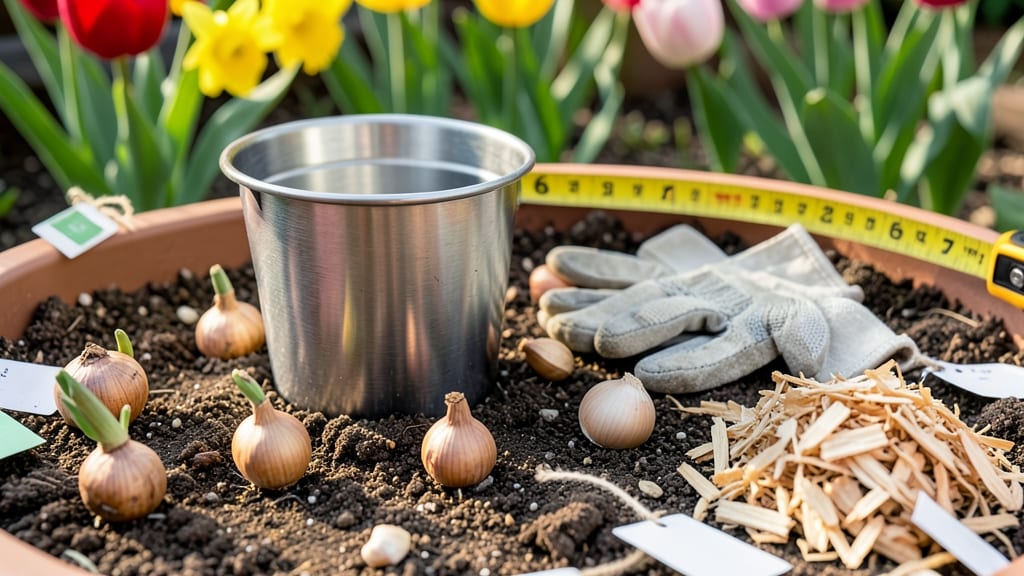
Timing your spring flowering bulbs (e.g., tulips, daffodils, hyacinths) just right in Indiana is the secret to vibrant blooms that steal the show—because planting too early or too late can mean the difference between a garden full of 🌷 and a missed opportunity.
Indiana’s Zone 5b-6a climate throws a curveball with its unpredictable frost dates, making it easy to misjudge the perfect window.
If you’ve ever stared at a calendar in September wondering, "Should I plant now or wait?"—you’re not alone. The key is understanding how soil temperatures and frost patterns play into your fall planting window (September-November), which is when most bulbs need to establish roots before winter sets in.
Get this right, and you’ll enjoy blooms from April to June that make your neighbors green with envy.
I’ve spent years perfecting the timing in my own garden, and what I’m about to share will help you avoid common mistakes—like planting too shallow or ignoring soil drainage—that can ruin even the best-intentioned efforts.
Whether you’re in northern Indiana’s cooler pockets or southern Indiana’s milder zones, we’ll break down exactly when to dig in for successful bulb growth.
Ready to transform your yard into a springtime paradise? Let’s dive into the month-by-month planting schedule that’ll have your bulbs thriving—and your garden looking like a postcard come spring.
Indiana’s ideal bulb planting months by type (Zone 6 guide)
In Indiana’s Zone 5b-6a, timing your bulb planting is all about beating the first frost while giving roots time to establish. Most spring-flowering bulbs (tulips, daffodils, hyacinths) need to be in the ground 6-8 weeks before frost, which typically lands between mid-September and mid-November.
Planting too early risks rot, while waiting too long means bulbs won’t root deeply enough for winter survival.
Spring planting is possible for some varieties, but it’s a gamble—fall planting guarantees stronger blooms. The key is soil temperature: aim for 60°F (15°C) or below at planting time, which usually aligns with late September to early October in most of Indiana.
Let’s break down the best months for each bulb type to maximize your garden’s springtime splendor.
For northern Indiana (e.g., Fort Wayne), push planting toward late September to avoid early frosts, while southern Indiana (e.g., Louisville) can extend planting into early November. Always check your local frost dates—Purdue Extension’s Indiana Weather tools are a lifesaver for this!
If you miss the fall window, spring planting (March-April) is an option for daffodils and crocuses, but expect smaller blooms. The secret to success? Prep your soil in early fall by amending with compost and ensuring well-draining conditions—Indiana’s heavy clay soils can be a nightmare if not addressed.
Pro tip: Plant bulbs in clusters of 5-7 for a dramatic display. Space them 3-6 inches apart (depending on variety) and water deeply after planting to encourage root growth. Mulch with 2-3 inches of straw in late fall to insulate bulbs from temperature swings.
Remember, bulbs need chill time to bloom. Indiana’s winters provide this naturally, but if you’re in a warmer microclimate, consider pre-chilling bulbs for 8-12 weeks before planting. This trick works wonders for tulips in southern Indiana
Indiana’s ideal bulb planting months by type (Zone 6 guide)
Indiana’s Zone 5b-6a climate demands precision when planting bulbs, especially since frost dates can shift by weeks. Most spring-blooming bulbs (tulips, daffodils, hyacinths) should be planted in fall (September-November) to give roots time to establish before winter.
This timing ensures vibrant blooms from April through June, when your garden will burst with color.
For fall planting, aim to get bulbs in the ground 6-8 weeks before the first hard frost—typically by mid-October in most of Indiana. If you miss this window, you can still plant in early spring (March-April), but blooms may be less robust.
The key is soil temperature, which should be below 60°F (15°C) for optimal root growth before winter.
| Bulb Type | Best Planting Month | Soil Temp Threshold | Notes |
|---|---|---|---|
| Tulips | September-October | Below 60°F (15°C) | Plant 6-8 inches deep; avoid soggy soil. |
| Daffodils | October-November | Below 50°F (10°C) | Deer-resistant; plant 6 inches deep. |
| Hyacinths | September-October | Below 60°F (15°C) | Plant in clusters; loves full sun. |
| Alliums | September-October | Below 55°F (13°C) | Drought-tolerant; plant 8 inches deep. |
| Spring Planting (March-April) | All bulbs | Above 40°F (4°C) | Less ideal; blooms may be delayed. |
If you’re in northern Indiana (e.g., Fort Wayne), where frosts arrive earlier, start planting as early as mid-September to ensure roots establish before the ground freezes. In southern Indiana (e.g., Louisville), you have a bit more flexibility—late October or early November can still work.
Always check your local last frost date (around April 15 for most of Indiana) to guide your spring planting if needed.
For spring planting, wait until the soil warms to at least 40°F (4°C)—usually by March or early April. While this method works, bulbs planted in spring often bloom later and may not perform as well as those planted in fall.
If you choose this route, prioritize well-draining soil and full sun exposure to maximize success.
Pro tip: Use a soil thermometer to monitor temperatures—aim for 50-60°F (10-15°C) for ideal root growth before winter. This small tool can save you from guessing and ensure your bulbs thrive.
Once planted, mulch with 2-3 inches of straw or shredded leaves to insulate the soil and protect bulbs from freezing temperatures.
Remember, the goal is to have bulbs established but dormant by winter. With the right timing, you’ll wake up to a garden bursting with tulips, daffodils, and hyacinths that make spring feel like a fairy tale. 🌷