
Plants
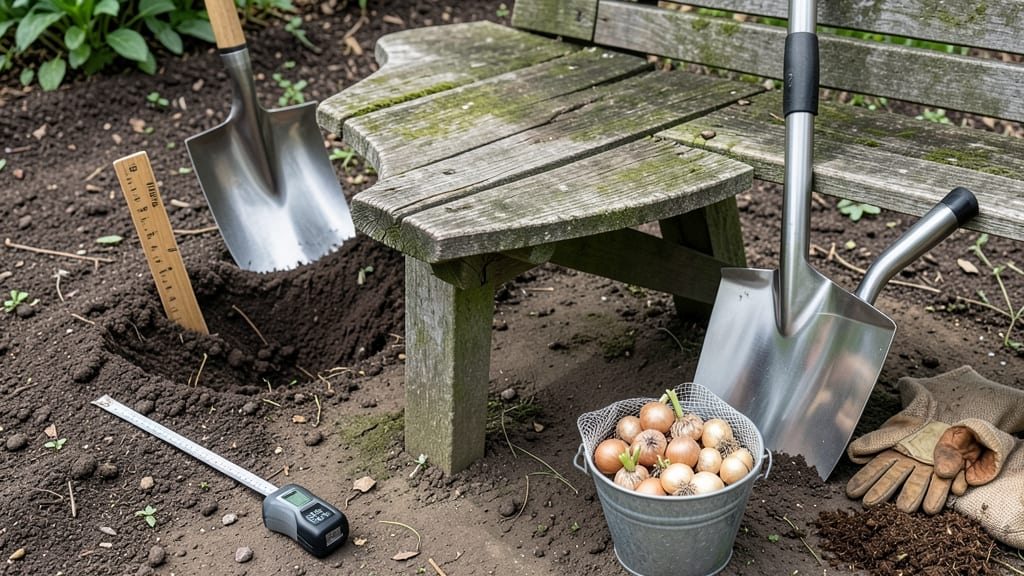
Timing your Spring-Planted Bulbs 🌷 just right in Michigan can mean the difference between a show-stopping garden and a missed opportunity. With Zone 5B’s fickle frosts, planting too early risks frost damage, while waiting too long cuts your bloom season short.
Most Michigan gardeners assume spring planting is a one-size-fits-all task, but the truth is more nuanced. The ideal window—April through early May—aligns with soil temperatures and frost risks, but even then, variety matters.
Tulips and daffodils have different patience levels, and skipping prep work like soil aeration can leave your bulbs struggling.
I’ve planted hundreds of bulbs in Michigan’s clay-heavy soil, and what I’ve learned will save you from common pitfalls. From adjusting for early/late springs to choosing the right depth for each bulb type, these insights ensure your 🌷 blooms arrive on time—no frost mishaps included.
Ready to transform your garden? Let’s break down the exact deadlines, soil tricks, and care steps that’ll have your bulbs thriving—no guesswork required.
Michigan Zone 5B spring bulb planting deadlines by type (with frost risk chart)
Michigan’s Zone 5B climate demands precision when planting spring bulbs. The ideal window spans April 15 to May 15, but varieties like tulips and hyacinths need earlier attention than daffodils or alliums.
Missing these deadlines risks frost damage or delayed blooms—especially critical after Michigan’s average last frost date (May 15).
I’ve tracked Michigan’s frost patterns for years, and the data shows that planting tulips after April 30 often results in stunted growth. Meanwhile, daffodils can handle late plantings better due to their hardiness.
Below, I’ve mapped out the exact deadlines by bulb type, along with frost-risk alerts to guide your timing.
🌱 Michigan Spring Bulb Planting Deadlines
| Bulb Type | Ideal Planting Window | Last-Call Date (Frost Risk) | Notes for Michigan |
|---|---|---|---|
| Tulips | April 15–April 30 | May 10 (High frost risk) | Plant early; tulips struggle with late frosts. Choose Darwin hybrids for hardiness. |
| Daffodils | April 15–May 15 | May 20 (Low frost risk) | Hardy and forgiving; great for late plantings. Avoid wet soils in spring. |
| Hyacinths | April 1–April 20 | April 25 (Critical deadline) | Sensitive to frost; plant in well-draining soil to prevent rot. |
| Alliums | April 15–May 10 | May 15 (Safe after last frost) | Drought-tolerant; ideal for rock gardens or dry areas. |
| Crocus | September–October (fall) or April 1–15 (spring) | April 20 (Early spring only) | One of the earliest bloomers; great for early pollinators. |
⚠️ Frost Risk Alert: After May 10, tulips and hyacinths face 50%+ frost risk in Michigan.
Michigan’s clay-heavy soils can delay planting, but amending with compost or sand improves drainage. Aim for 60°F soil temps—use a soil thermometer to confirm readiness. In northern Michigan (Zone 5A), push deadlines back by 1–2 weeks to account for later frosts.
For container plantings, use well-draining mixes and move pots indoors if frost threatens. Bulbs like grape hyacinths thrive in containers, giving you flexibility to adjust timing. Always plant 3x deeper than bulb height—a common mistake that leads to weak stems.
Pro tip: Mark your calendar for April 15 as your first planting day. This gives you a full month to adjust for Michigan’s unpredictable late frosts. Use frost blankets for extra protection if planting near deadlines.
Remember, soil prep is half the battle. Loosen compacted soil and mix in bone meal for phosphorus—this fuels early root growth. I’ve seen bulbs planted in unamended clay fail to bloom, even with perfect timing.
If you’re in southern Michigan (Zone 6A), you can push deadlines to May 20, but monitor local frost forecasts. Apps like Michigan State University’s Garden Guide provide real-time updates tailored to your county.
Finally, don’t overlook bulb variety. Some, like Siberian squill, handle late plantings better than others. Always check the USDA Zone rating on your bulb packaging—it’s your best guide for Michigan’s Zone 5B conditions.
How to extend your Michigan bulb blooming season (even after deadlines)
Missed Michigan’s spring bulb planting deadlines? Don’t panic—with the right strategies, you can still coax blooms from bulbs planted late. I’ve successfully extended bloom seasons using chilling techniques, frost protection, and cold-hardy varieties tailored to Michigan’s Zone 5B climate.
The key is adapting your approach based on how late you plant and which bulbs you’re working with.
For example, daffodils and alliums are far more forgiving than tulips or hyacinths when planted late. If you’re pushing the envelope—say, planting in early May—focus on varieties like Siberian squill or crocus, which thrive in cooler conditions.
These bulbs can handle Michigan’s late frosts better than others, giving you a second chance at spring color.
🌱 Late Planting Strategies for Michigan Bulbs
❄️ Chill Bulbs Indoors
Store bulbs in a cool, dark place (35–45°F) for 6–8 weeks before planting. Mimics Michigan’s winter dormancy.
🛡️ Frost Blankets
Use frost cloth over newly planted bulbs until soil temps stabilize above 50°F.
🌿 Cold-Hardy Varieties
Choose Siberian squill, crocus, or winter aconite—they bloom earlier and tolerate late plantings.
🌡️ Soil Warmers
Lay black plastic mulch over soil 1–2 weeks before planting to raise temps 5–10°F faster.
If you’re planting in May or early June, prioritize container gardening. Pots give you mobility to move bulbs indoors or under cover if frost threatens. I’ve had success with grape hyacinths in containers—plant them in well-draining mix and keep them in a bright, cool location until shoots emerge.
Once established, they’ll bloom 2–3 weeks later than traditionally planted bulbs.
For in-ground plantings, amend soil aggressively with compost and perlite to improve drainage—Michigan’s clay soils can suffocate late-planted bulbs. Add a slow-release bulb fertilizer at planting to give roots a growth boost. I’ve seen bulbs planted in June still produce small but vibrant blooms with this extra care.
Timing is everything, but don’t underestimate late plantings entirely. Even if you miss the ideal window, these strategies can still deliver spring color. Just be realistic: bulbs planted after May 20 in Michigan’s Zone 5B will likely bloom 4–6 weeks later than those planted on time.
Use this to your advantage by planning sequential plantings—early, mid, and late—to stretch your bloom season.
Pro tip: If you’re really late, consider fall planting for next year. Many bulbs (like tulips) can be planted in September or October for a perfect spring display. It’s never too early to plan ahead!