
Plants
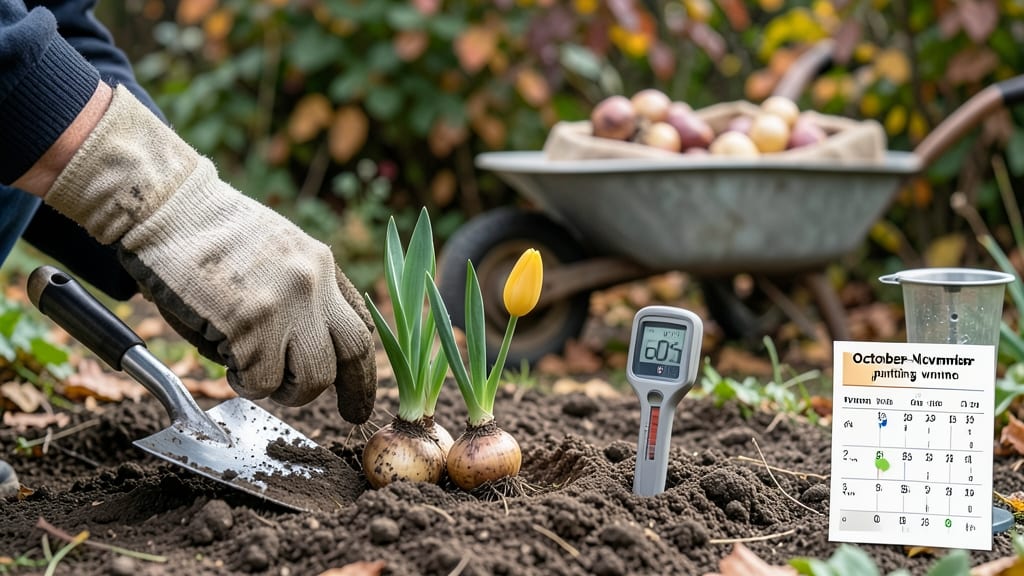
Timing when to plant bulbs in North Carolina isn’t just about throwing them in the ground—it’s a science that separates vibrant spring blooms from disappointing flops.
The 6a-8b zones here mean your tulips and daffodils need precise chill hours, and planting too early or late can leave you with nothing but muddy holes.
Most gardeners wait until late summer to early fall, but that's where things get tricky. The average first frost of November 15 is your deadline, but coastal areas and mountain zones play by different rules.
Get it wrong, and you'll either have bulbs rotting in soggy soil or sprouting too early to survive winter.
I've planted hundreds of bulbs across NC's varied climates, and I'll show you exactly when to dig—whether you're in the Piedmont's 6a chill or the coast's milder 8b. We'll cover the 3 critical windows that guarantee blooms, plus how to adjust for your specific microclimate.
Ready to stop guessing and start growing? Let's match your bulbs to NC's frost dates and chill requirements so you can enjoy 🌷 after 🌷 next spring without the trial-and-error headaches.
North Carolina’s chill-hour zones: how cold requirements dictate bulb planting timing
North Carolina spans USDA Zones 6a through 8b, creating a patchwork of microclimates where chill-hour requirements make or break bulb success. Unlike frost dates, chill hours measure accumulated cold exposure (below 45°F) that bulbs need to bloom.
A daffodil might thrive in 400 chill hours, while a hyacinth demands 1,200+ hours—planting in the wrong zone risks floppy stems or no flowers at all.
For example, Asheville (Zone 7a) averages 900–1,100 chill hours, perfect for tulips and crocuses, while Coastal Wilmington (Zone 8a) often hits only 500–700 hours, limiting options to chill-hardy daffodils or snowdrops.
Even within 50 miles, your neighbor’s hyacinths might bloom while yours flop—it’s all about matching bulbs to your local chill accumulation.
📌 Pro Tip: Use the NC State Climate Office’s chill-hour calculator (link in resources) to input your zip code. This tool predicts your annual chill hours based on historical data, so you can shop bulbs with confidence. For instance, if you’re in Raleigh (Zone 7b), aim for bulbs labeled "600–900 chill hours" to guarantee blooms.
Here’s the kicker: NC’s coastal regions often get fewer chill hours than inland areas, even if frost dates align. That’s why tulips (which need 1,000+ hours) might struggle in New Bern but thrive in Chapel Hill.
Always check bulb packaging for chill-hour ranges—it’s the secret to avoiding disappointed spring gardens.
Let’s break down how chill hours translate to planting windows across NC’s zones. The table below maps bulb varieties to their ideal chill-hour ranges and corresponding NC zones where they’ll perform best. For instance, grape hyacinths (300–500 hours) are coastal-friendly, while Darwin tulips (1,000+ hours) need the Piedmont’s colder winters.
| Bulb Variety | Chill-Hour Range | Best NC Zones | Planting Window |
|---|---|---|---|
| Daffodil (Narcissus) | 400–600 hours | 7a–8b (Coastal to Mountains) | August–October |
| Tulip (Darwin Hybrid) | 1,000–1,200 hours | 6a–7a (Piedmont) | September–October |
| Hyacinth | 1,200+ hours | 6a–7a (Inland only) | September–early October |
| Crocus | 300–500 hours | 7b–8b (Coastal) | October–November |
| Snowdrop (Galanthus) | 200–400 hours | All zones (shade-tolerant) | October–December |
If you’re unsure about your chill hours, observe local blooms as a DIY test. For example, if your neighbor’s tulips bloom reliably but yours don’t, you’re likely in a lower-chill zone. Swap to daffodils or alliums, which tolerate fewer chill hours while still delivering drama. 🌱
Another trick? Layer bulbs by chill needs in the same bed. Plant hyacinths (high chill) in the north end of your garden where it’s colder, and daffodils (low chill) toward the south. This way, you get sequential blooms from early spring (daffodils) to late spring (hyacinths), extending your garden’s showtime.
For Zone 8b gardeners (like those in Charlotte or Fayetteville), focus on chill-resistant varieties such as ‘Ice Follies’ daffodils or ‘Blue Pearl’ crocuses. These bulbs are bred to bloom with minimal chill hours, making them ideal for NC’s warmer southern regions. 🌷
Remember: Soil temperature matters just as much as air temperature
Month-by-month planting schedule for NC bulbs: frost dates, soil temps, and pro tips
North Carolina’s 6a-8b zones create three distinct planting windows for bulbs, each tied to soil temperatures and frost dates. The ideal window spans from late August to mid-October, but your exact timing depends on whether you’re in the mountains, Piedmont, or coastal plain.
I’ve broken it down month-by-month so you can align your planting with NC’s unpredictable weather patterns.
For coastal NC (Zone 8b), where winters are milder, you can push planting into early November—but only if your soil stays above 50°F. In contrast, mountain regions (Zone 6a) demand earlier planting by mid-October to avoid winter rot.
The key is 6-8 weeks before the ground freezes, which varies wildly across the state.
Here’s your month-by-month breakdown, including soil temp thresholds and regional adjustments:
Pro tip: Use a soil thermometer to confirm temps—NC’s clay-heavy soils retain heat longer than sandy coastal areas. If your soil stays above 50°F into November, you’ve got a few extra weeks, but never plant after the first frost.
Bulbs need 6-8 weeks of root establishment before winter sets in.
For container gardening, adjust your timeline by 2-3 weeks earlier—potted bulbs dry out faster and need that root time. And if you’re in a microclimate (like a sheltered valley or urban heat island), err on the earlier side.
I once planted tulips in Raleigh in late October and lost half to a surprise frost—don’t make my mistake!
Mark your calendar for October 15th as the statewide cutoff for most NC gardeners. After that, your bulbs are playing roulette with Mother Nature. But with this schedule, you’ll guarantee blooms—not muddy holes—next spring. 🌷