
Plants
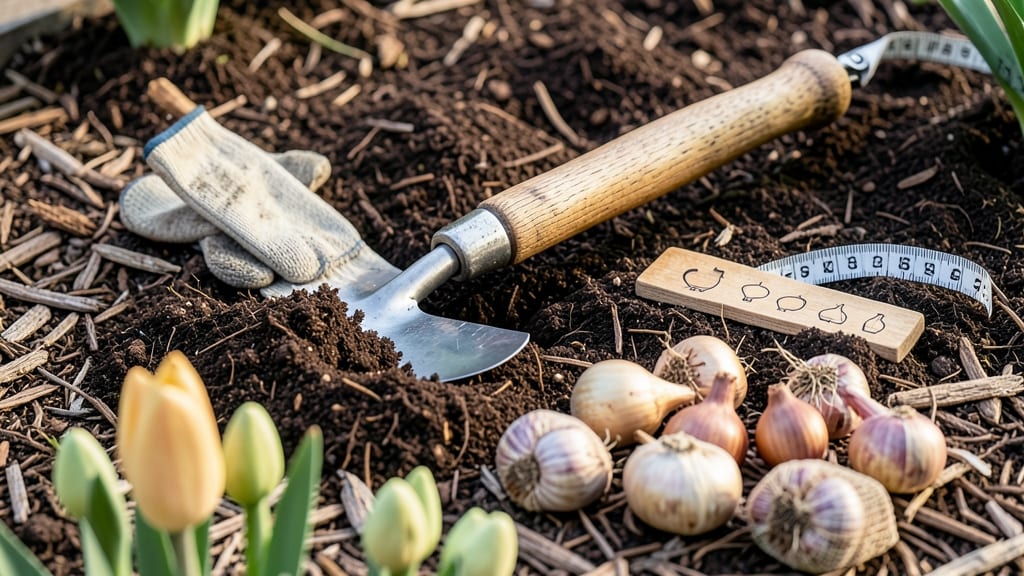
Knowing when to plant bulbs in SC can mean the difference between a garden bursting with color and a missed opportunity—especially in our unique Zone 8a climate.
The perfect timing isn’t just about the calendar; it’s about understanding how your soil behaves, when the first frost sneaks in, and which spring flowering bulbs like tulips and daffodils thrive best in these conditions.
Most gardeners in South Carolina rush to plant too late, only to watch their bulbs struggle through winter. But with the right strategy, you can ensure your 🌷 blooms emerge stronger and more vibrant next spring.
I’ll break down the exact window—September through November—and why it matters so much for your garden’s success.
You’ll also discover how to prepare your soil, avoid common pitfalls, and even adjust for microclimates like coastal areas or the Piedmont. Whether you’re a first-time planter or a seasoned gardener, these insights will help you plant with confidence and enjoy a showstopping spring display.
Let’s dive into the steps that will transform your fall planting into a year-round success—no guesswork required.
Best fall planting months for SC bulbs (Zone 8a guide)
South Carolina’s Zone 8a climate gives you a longer window for planting bulbs than northern states, but timing still matters. Unlike colder regions, your bulbs don’t need a hard freeze to root—they just need consistent soil temperatures below 60°F and protection from winter rains.
This means you can plant earlier in the season while still avoiding the late-fall heat spikes that can stress bulbs.
For most spring-blooming bulbs like daffodils and tulips, aim to plant between mid-September and mid-November. This schedule lets bulbs establish roots before winter while avoiding the hot summer months when planting is too stressful.
In coastal areas like Charleston, you might start as early as late August since the ocean moderates temperatures, while inland areas like Columbia should wait until early October.
Soil temperature is your best guide—wait until it consistently stays below 60°F at 4 inches deep. You can check this with a soil thermometer or follow local frost date averages: SC’s first frost typically arrives in mid-December, so planting 4-6 weeks before that ensures success. For summer-blooming bulbs like dahlias, wait until late spring after the last frost.
Here’s how your planting window breaks down by month in SC:
| Month | Ideal for Planting? | Soil Temp Goal | Notes for SC |
|---|---|---|---|
| Late August | ✅ Yes (Coastal) | Below 65°F | Best for Charleston; inland areas wait until September. |
| September | ✅ Best Window | 50-60°F | Perfect for most bulbs; soil cools rapidly after Labor Day. |
| October | ✅ Still Ideal | 40-50°F | Last chance for full root establishment before winter. |
| November | ⚠️ Risky (Late) | Below 50°F | Only for early varieties; ground may freeze by month’s end. |
| December | ❌ Avoid | N/A | Bulbs won’t root before winter dormancy. |
If you miss the fall window, don’t despair—spring planting is possible for some bulbs like crocuses and snowdrops, but they may bloom later or less vigorously.
The key is to plant as soon as the soil is workable in early spring (February-March) and keep the soil moist until roots establish.
SC’s humid climate also means you’ll need to protect bulbs from rot during winter rains. After planting, add a 2-3 inch layer of mulch (like pine straw) to insulate bulbs and improve drainage.
In areas with heavy clay soil, like the Piedmont region, amend the soil with compost or sand to prevent waterlogging, which can suffocate bulbs.
Pro tip: Label your bulbs as you plant them! SC’s mild winters can make it tricky to remember where you planted what, and you’ll want to avoid disturbing them in spring until the foliage yellows naturally. This ensures next year’s blooms will be even more spectacular.
Best fall planting months for SC bulbs (Zone 8a guide)
South Carolina’s Zone 8a climate gives you a 6-week window to plant bulbs—typically from mid-September to late November. But timing isn’t one-size-fits-all here. Coastal areas like Charleston may have warmer soils longer, while inland regions like Columbia face earlier frosts.
The key is planting when soil temps drop to 60°F (15°C), signaling bulbs to root before winter dormancy.
Most spring-flowering bulbs (tulips, daffodils, hyacinths) need 4-6 weeks to establish roots before the ground freezes. In SC, that means aiming for October as your prime month. Early September works for hardier bulbs like crocuses, while late November plantings risk frost damage unless you use mulch protection.
🌱 SC Bulb Planting Timeline
| Month | Best For | Soil Temp Goal | Notes |
|---|---|---|---|
| September | Crocuses, early daffodils | 60-70°F (15-21°C) | Warmer soils; less frost risk |
| October | Tulips, hyacinths, standard daffodils | 50-60°F (10-15°C) | Ideal window for most bulbs |
| November | Late daffodils, alliums | 40-50°F (4-10°C) | Use mulch; plant before ground freezes |
⏰ Pro Tip: Check your local first frost date (usually mid-November in SC) and plant 6 weeks before.
If you miss the fall window, don’t despair—summer-blooming bulbs like dahlias and cannas can be planted in late spring (April-May). But for classic spring bloomers, fall is your only shot.
SC’s humid climate means bulbs need time to root before winter rains set in, so don’t wait until December!
For gardeners in coastal SC, where winters are milder, you might push plantings into early December. But inland areas should stop by November 15 to avoid frost damage. Always test soil temps with a soil thermometer—aim for below 60°F (15°C) before planting.
One common mistake? Planting too early in August or September when soils are still warm. Bulbs need cooler temps to trigger dormancy. If you plant early, mulch heavily to prevent premature sprouting, which weakens the bulb.
Remember: Well-established roots mean stronger blooms next spring. In SC’s climate, that means patience in fall pays off with vibrant color in March and April. 🌷