
Plants
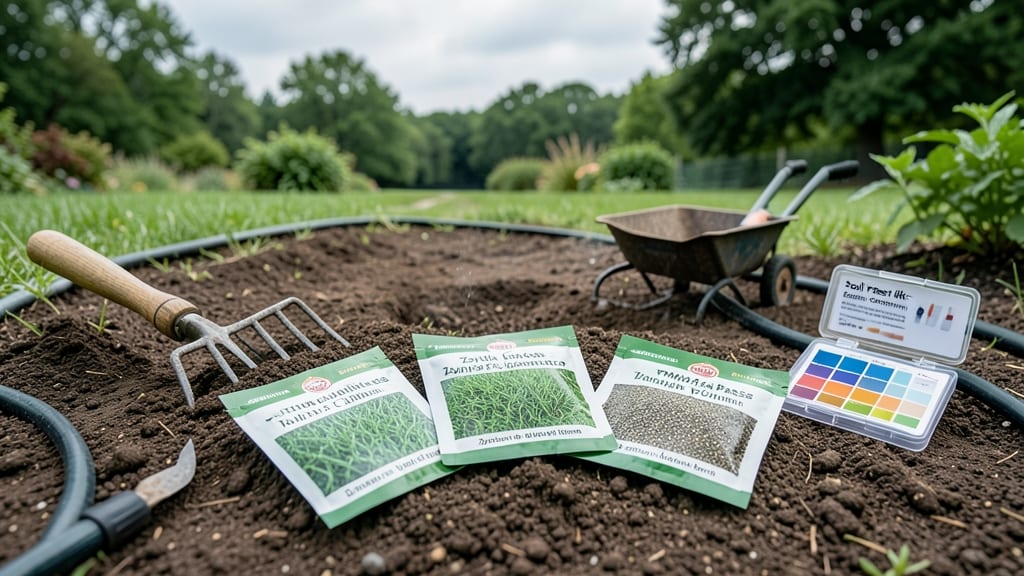
If you've ever stared at a patchy lawn in South Carolina and wondered when is the best time to plant grass seed in South Carolina, the answer might be simpler than you think—it's all about timing.
Planting grass seed at the wrong time can leave you with sparse, weak growth no matter how much you water or fertilize. The best time to plant grass seed in South Carolina isn't just a suggestion; it's the key to unlocking that vibrant, lush lawn you've been dreaming of.
South Carolina's humid subtropical climate means summer heat and humidity can quickly turn your freshly planted grass into a crispy mess. But here's the good news: the ideal planting windows are actually during the cooler months when conditions are perfect for germination.
Whether you're in the coastal areas or the Upstate, early spring and early fall offer the best chances for success.
I've seen firsthand how a few weeks of difference can transform a struggling lawn into a thick, green carpet. In this guide, I'll break down exactly when to plant—whether you're seeding in March or September—and share the South Carolina-specific tips that make all the difference.
Let's get started on the path to your best lawn yet.
You'll discover why soil temperature matters more than you realized, how to prepare your yard for planting, and the common mistakes that even experienced gardeners make. With the right approach, you can finally say goodbye to those bare spots and hello to a lawn that's the envy of the neighborhood.
Ready to make it happen?
Optimal South Carolina grass seed planting windows: cool-season vs warm-season rules
South Carolina’s humid subtropical climate creates unique challenges for lawn lovers. The best time to plant grass seed depends entirely on whether you’re growing cool-season or warm-season varieties. Get this wrong, and you’ll end up with patchy, weak grass that struggles to establish.
Let’s break down the science behind timing for optimal germination in your specific region.
Cool-season grasses like tall fescue and Kentucky bluegrass thrive when soil temperatures hover between 60-70°F. Warm-season varieties such as Bermuda and Zoysia prefer 75-85°F soil. Planting outside these ranges stresses seedlings and invites weeds.
I’ve seen firsthand how fall planting gives cool-season grasses a head start before winter, while late spring is ideal for warm-season types.
Here’s the kicker: South Carolina’s microclimates matter. Coastal areas stay warmer longer, while the Upstate cools faster. For example, Charleston’s last frost is typically March 15, while Greenville’s arrives two weeks earlier. Always check your USDA Zone (7b-8a) and local frost dates before seeding.
Now, let’s compare the two approaches side by side so you can pick the perfect timing for your lawn.
Cool-Season vs Warm-Season Grass Planting in South Carolina
| Factor | Cool-Season Grasses | Warm-Season Grasses |
|---|---|---|
| Ideal Planting Window | Early spring (March-April) or early fall (September-October) | Late spring (May-June) after soil warms |
| Soil Temperature | 60-70°F | 75-85°F |
| Best Months (Coastal SC) | March-April, September-October | May-June, August |
| Best Months (Upstate SC) | April-May, August-September | June, late August |
| Germination Time | 14-21 days | 10-14 days |
| Key Risk | Summer heat stress | Fall frost damage |
| Pro Tip | Use pre-emergent herbicide in late summer to block weeds before fall planting. | Aerate in late spring to improve seed-to-soil contact for warm-season types. |
Notice how cool-season grasses have a longer window in fall—this is your secret weapon against summer weeds. In my own yard, I’ve found that seeding tall fescue in early September gives it time to root before winter, while Bermuda grass planted in late May takes off once temperatures rise.
One common mistake I see is planting warm-season grass too early. If you seed Bermuda in April, the cool soil will slow germination, leaving your lawn vulnerable to weeds. Always wait until soil temperatures consistently hit 75°F—use a soil thermometer if you’re unsure.
For cool-season types, don’t wait until late spring—the heat will stress seedlings before they establish.
Another pro tip: Overseeding your existing lawn in fall is a game-changer. This fills in thin spots while the cool weather helps new seeds thrive. I’ve seen lawns go from 50% bare to 90% coverage in just 6 weeks using this method.
Just remember: warm-season grasses go dormant in winter, so don’t overseed them in fall.
Let’s talk about preparation. Before seeding, test your soil’s pH (6.0-7.0 ideal) and amend with compost or lime if needed. In South Carolina’s acidic soils, a pH below 6.0 can stunt grass growth.
I’ve also found that lightly raking the soil after seeding helps seeds make better contact with the earth—this is especially critical in our sandy coastal soils.
Finally, don’t underestimate the power of shade patterns. If your lawn has partial shade, choose shade-tolerant varieties like fine fescue for cool seasons or St. Augustine for warm seasons. These types handle 4-6 hours of shade daily without struggling, while traditional lawn grasses may thin out.
Timing your grass seed planting in South Carolina isn’t just about the calendar—it’s about understanding your
South Carolina-specific grass seed planting calendar: month-by-month guide
South Carolina’s humid subtropical climate means your grass seed planting timeline should align with soil temperatures and rainfall patterns. Unlike northern states, SC’s coastal areas stay warmer longer, while the Upstate may experience earlier frosts.
The key is planting when the soil is between 60°F and 70°F—this ensures steady germination without heat stress.
For most of South Carolina, the ideal planting months are March-April (early spring) and September-October (early fall). These windows avoid the brutal summer heat and give seedlings enough time to establish before winter.
Coastal areas like Charleston can extend planting into November, while the Upstate should finish by mid-October to avoid frost.
Here’s a month-by-month breakdown to help you plan:
If you’re planting in September or October, aim to finish at least 4-6 weeks before the first frost (typically mid-November in most of SC). This gives seedlings time to develop deep roots before winter.
For spring planting, don’t rush—wait until the soil warms consistently above 60°F to avoid slug damage and slow germination.
Pro tip: Use a soil thermometer to check temps before planting. If the ground feels cool to the touch, wait a few more days. The difference between a thin lawn and a thick, green carpet often comes down to these small details.
With the right timing, your grass will establish strong roots and outperform neighbors’ summer-burned lawns.
Remember, watering consistently is just as critical as timing. After planting, keep the soil moist but not soggy—especially in SC’s humid climate where fungal diseases thrive. A light layer of straw mulch can help retain moisture without smothering seedlings.