
Plants
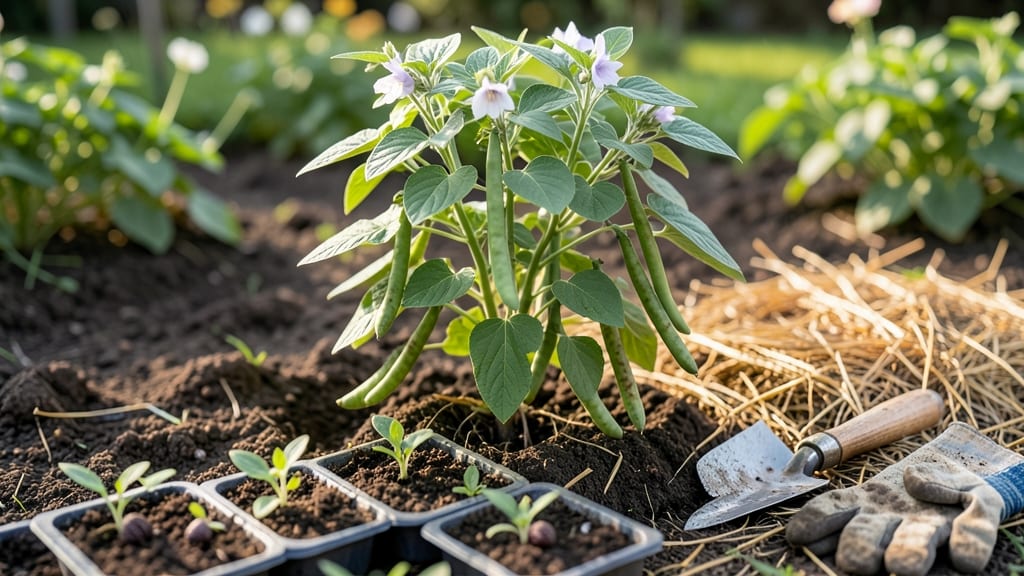
If you’ve ever planted bush beans 🌱 in Florida only to watch them bolt into bitter, stringy pods before harvest, you’re not alone. The key to sweet, tender beans lies in knowing exactly when to plant—because Florida’s coastal humidity and inland heat play tricks on your schedule.
Here’s the secret: Coastal areas like Miami thrive with spring plantings in February–March, while inland Orlando gardeners get a second chance in fall, starting September–October. Skip these windows, and you’ll end up with plants that race to flower before they’ve even set fruit.
Let’s break down the science-backed timing that’ll turn your garden into a bean bonanza.
Whether you’re a first-time gardener or a seasoned pro, these regional tweaks—like avoiding April’s scorching heat or November’s sudden chills—will make all the difference. Ready to go from frustrated to flourishing? Let’s dive into the perfect planting calendar for your Florida zone.
From soil prep to harvest deadlines, I’ll show you how to double your yield by aligning your planting with Florida’s microclimates. No more guesswork—just crisp, homegrown beans straight from your backyard.
Optimal planting windows for Florida bush beans by region (coastal vs inland)
Florida’s microclimates create two distinct worlds for bush beans: coastal areas with humid heat and inland zones with intense sunlight. Planting at the wrong time means bitter pods or plants that bolt before harvest. The secret? Align your schedule with soil temperatures and regional heat thresholds.
Coastal gardeners in Miami, Tampa, or Fort Myers should focus on spring plantings (February–March), while inland areas like Orlando, Gainesville, or Tallahassee benefit from fall plantings (September–October). These windows avoid Florida’s scorching summer heat and unpredictable humidity, which stress bush beans.
Here’s the breakdown you need to double your harvest—no more guesswork, just science-backed timing tailored to your region.
Notice how coastal zones avoid April plantings? That’s because humidity spikes create perfect conditions for white mold and bacterial blight. Inland areas, meanwhile, skip August to prevent heat-induced bolting, where plants flower too fast for pod development.
For container gardeners, these rules still apply—but adjust planting dates by 2–3 weeks earlier in spring and 1–2 weeks later in fall. Containers heat up faster, so monitor soil temps closely.
Ever wondered why your neighbor’s beans thrive while yours bolt? It’s often soil temperature mismatches. Bush beans need consistent warmth—below 55°F, growth stalls, and above 90°F, they shut down. Use black plastic mulch in spring to warm soil faster or shade cloth in summer to cool roots.
Here’s my fail-proof trick: Plant a test row 2 weeks before your target date. If the soil is below 60°F, wait—your beans will thank you with sweeter, larger pods.
Let’s talk transplanting. Direct-sowing is easiest, but if you start seeds indoors, harden off plants for 7–10 days before moving them out. Inland areas should transplant in late afternoon to reduce transplant shock from intense sun.
One last secret: Succession planting every 2–3 weeks in spring and fall ensures a continuous harvest. Space seeds 1 inch deep, 3–4 inches apart, and thin to 4–6 inches when seedlings emerge. This keeps your garden productive for 3–4 months.
Now you’ve got the exact timing for your region—no more bitter, stringy beans or wasted effort. Next, we’ll tackle how to keep them from bolting once they’re in the ground. 🌱
Optimal planting windows for Florida bush beans by region (coastal vs inland)
Florida’s microclimates create a puzzle for bush bean growers—what works in humid Miami fails in dry Orlando. The key difference? Soil warmth and heat tolerance thresholds.
Coastal areas can plant earlier because ocean breezes moderate temperatures, while inland zones must wait for soil to hit 60°F+ to avoid stunted growth.
Here’s the breakdown: Coastal regions (like Miami-Dade and Palm Beach) thrive with February–March plantings, while inland areas (Orlando, Tampa) shift to September–October for fall harvests. Skip these windows, and you’ll trigger bolting—when plants flower too fast, producing bitter, stringy pods instead of sweet, tender beans.
🌱
Pro tip: Use a soil thermometer to confirm readiness—bush beans won’t germinate below 55°F. Inland gardeners can cheat the system by using black plastic mulch to warm soil faster, but coastal growers should avoid it—it traps too much heat in summer.
For year-round success, stagger plantings every 2–3 weeks in spring/fall. This ensures a continuous harvest and avoids the "all-at-once" glut that leads to wasted pods. Pair your schedule with shade cloth in peak summer (June–August) to prevent bolting, even if you’re planting in the "off-season."
🌡️