
Plants
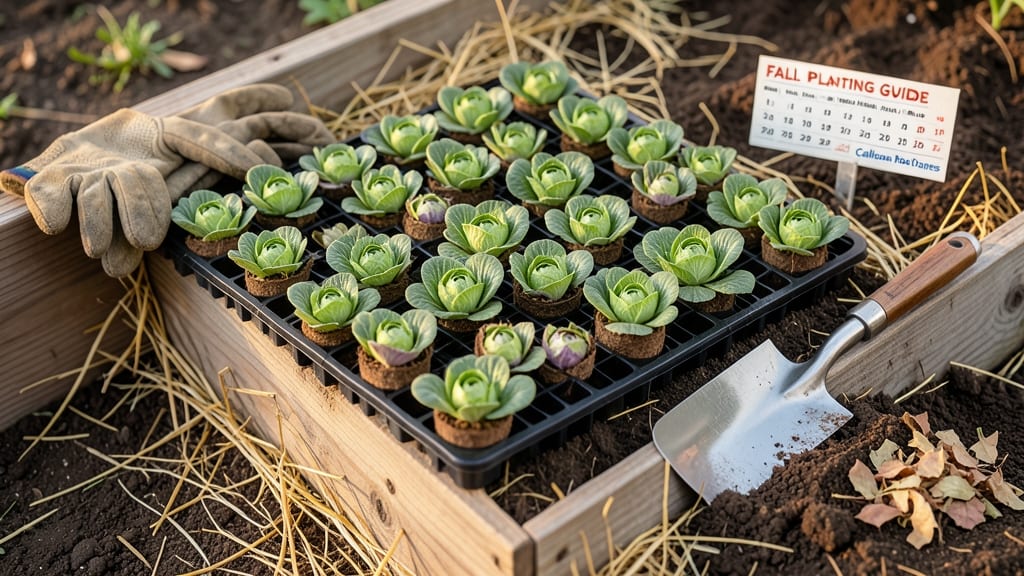
Planting cabbage in California might seem straightforward, but timing is everything—especially when balancing coastal chill with inland heat. The wrong schedule can turn your crisp heads into bitter, bolting messes, while the right approach unlocks year-round harvests of 🥬 perfection.
Whether you're in foggy Santa Barbara or the Central Valley's sweltering summers, getting the months right is the key to success.
Coastal gardeners in zones 10a-10b can plant almost anytime, but fall and winter are your sweet spots for sweet, slow-growing heads. Inland growers, however, face a different challenge: summer heat triggers bolting, so timing matters even more.
I’ll break down the exact windows for each microclimate—plus how to avoid common mistakes that ruin crops.
What you’ll discover here isn’t just a calendar—it’s a strategy tailored to California’s quirks. From heat-tolerant varieties to shade tricks, I’ll show you how to extend your cabbage season without the guesswork. Let’s get those seeds in the ground at the perfect moment.
Ready to grow cabbage that’s crisp, flavorful, and ready to harvest? The first step is knowing when to start—and trust me, the difference between a thriving crop and a failed experiment comes down to timing. Let’s dive in.
Optimal cabbage planting calendar for California coastal regions (frost-free zones 7-10)
California’s coastal regions—think San Francisco, Santa Barbara, and Monterey—offer mild winters and cool summers, making them ideal for year-round cabbage production. The key is timing your plantings to avoid summer heat stress and maximize fall and winter harvests.
Since coastal areas rarely experience frost, you can grow cabbage almost anytime, but strategic scheduling ensures crisp, high-quality heads.
The best planting windows for coastal cabbage are August through March, with staggered sowings every 4–6 weeks to ensure a continuous supply. This approach lets you harvest fall, winter, and early spring crops before summer temperatures climb.
For example, seeds sown in late August will produce heads ready for October harvests, while January plantings yield March–April crops.
Here’s how to align your planting schedule with California’s coastal microclimates:
| Planting Window | Transplant Outdoors | Harvest Time | Best Varieties | Notes |
|---|---|---|---|---|
| Late August–Early September | September–October | October–December | ‘Golden Acre’, ‘Red Express’ | Cool fall temps prevent bolting. |
| Mid-October | November | January–March | ‘January King’, ‘Early Jersey Wakefield’ | Winter-hardy; thrives in coastal fog. |
| Early December–January | January–February | March–April | ‘Crimson Glory’, ‘Waxed Head’ | Slow bolting; ideal for spring markets. |
| Late February–March | March–April | May–June | ‘Super Red 80’, ‘Patio’ (dwarf) | Use shade cloth in late spring to delay bolting. |
For coastal gardens, focus on fall and winter plantings to avoid the June Gloom and summer heat. Varieties like ‘Golden Acre’ and ‘Red Express’ are excellent choices for early fall harvests, while ‘January King’ and ‘Early Jersey Wakefield’ excel in winter production.
These varieties handle cooler temperatures and humidity better than heat-sensitive types.
If you’re growing in Santa Barbara or San Diego, where summers are slightly warmer, opt for shade-tolerant varieties like ‘Patio’ (a dwarf cabbage) or use 30–50% shade cloth during May and June to protect young plants.
This simple trick can extend your growing season by 2–4 weeks and prevent premature bolting.
Pro tip: Direct-sow seeds in well-drained, compost-rich soil at a depth of ¼ inch, spacing them 18–24 inches apart to allow for head development. Coastal soils often retain moisture well, but mulch heavily with straw or wood chips to keep roots cool and hydrated.
Avoid overhead watering in evening hours to prevent disease like downy mildew, which thrives in coastal humidity.
Harvest your cabbage when heads are firm and compact, typically 70–90 days after transplanting. For coastal regions, this usually falls between October and May, depending on your planting window.
Cut heads with a sharp knife, leaving 1–2 inches of stem attached to encourage regrowth for baby leaves or a second harvest.
With the right timing and variety selection, coastal California gardeners can enjoy homegrown cabbage year-round. Start with one planting every 6 weeks from August through March, and you’ll never run out of fresh, crisp heads for salads, stir-fries, or fermenting. Happy growing!
Inland California cabbage planting: avoiding bolting in hot summers (zones 4-9)
Inland California—think Central Valley, Sacramento, and desert-adjacent areas—presents unique challenges for cabbage growers. Summer heat (often exceeding 90°F) triggers bolting, turning your promising heads into bitter, seed-stalked disappointments. The key? Plant at the right time and use heat-mitigation strategies to keep your cabbage cool and happy.
Unlike coastal regions, inland areas have hotter summers and cooler winters, with USDA Zones 4-9 depending on elevation. This means your planting window is shorter but critical. Focus on fall and early spring plantings, with a backup plan for succession planting to stretch your harvest season.
Here’s the golden rule for inland cabbage: Start seeds indoors 6-8 weeks before your last frost date (typically late February to early March for most inland areas).
Transplant seedlings outdoors 8-10 weeks before your first expected frost—usually by mid-September for a fall harvest or early February for a spring harvest.
🚨 CALLOUT-WARNING 🚨
Inland areas like Bakersfield or Fresno can hit 100°F+ by May. Planting cabbage after April 15th risks bolting—your plants will prioritize seed production over head formation. If you must plant in late spring, choose heat-tolerant varieties like ‘Crimson Glow’ and provide 30-50% shade cloth to delay bolting by 2-3 weeks.
For summer planting, opt for shade-loving varieties like ‘Waxed Head’ or ‘Golden Acre’ and use row covers or drip irrigation to keep soil temps below 80°F. Mulch with straw or wood chips to insulate roots and retain moisture. In high-desert areas (e.g., Ridgecrest), watch for light frosts in winter and protect young plants with frost cloth.
Succession planting is your best friend inland. Instead of one big fall planting, stagger seedlings every 2-3 weeks from August to October for a continuous harvest through winter. This also minimizes the risk of pest outbreaks (like cabbage worms) overwhelming your garden at once.
Pair cabbage with bush beans or radishes to improve soil health and deter pests.
Finally, monitor your cabbage’s maturity signs closely. Inland-grown heads mature 10-20% faster due to longer daylight hours in summer. Harvest when heads are firm and compact, typically in 70-90 days depending on the variety.
If left too long, even heat-tolerant cabbage will split or bolt, ruining your crop. Store harvested heads in a cool, humid environment (like a root cellar) to extend freshness for 2-3 weeks.