
Plants
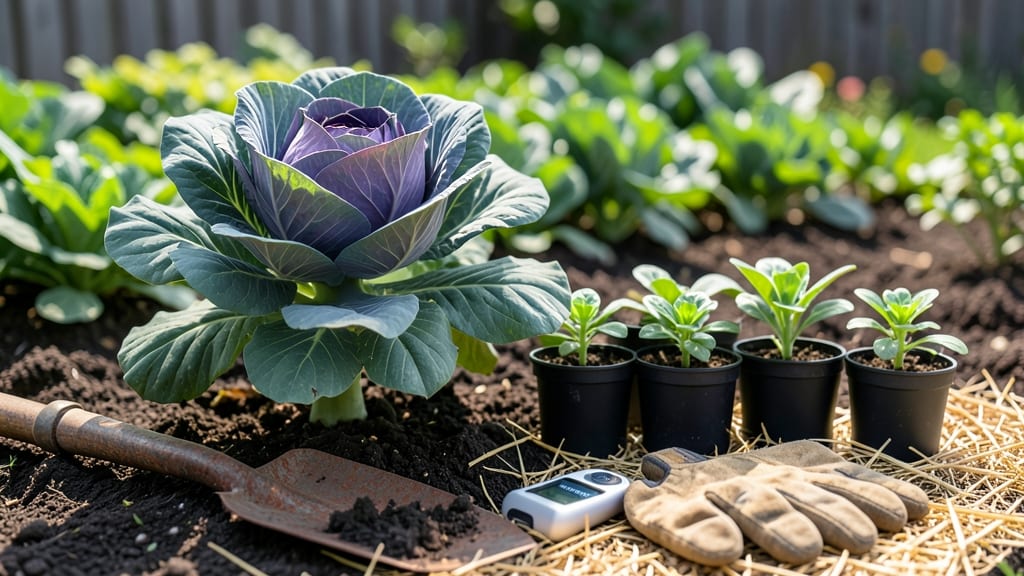
If you've ever struggled with when to plant cabbage in Zone 8b, you're not alone—getting the timing wrong can mean the difference between a lush 🥬 harvest and a sad, bolted disappointment.
Zone 8b's mild winters and hot summers create a unique challenge, but with the right approach, you can grow cabbage year-round.
The key is planting at the perfect moments: early spring or late summer, when temperatures are just right for steady growth. Too early, and your cabbage might bolt from the heat; too late, and pests or frost could ruin your crop.
I'll show you exactly how to navigate these windows for maximum success.
You'll also discover how to extend your growing season with simple tricks like row covers and succession planting. Plus, I’ll share my top tips for selecting heat-tolerant varieties that thrive in Zone 8b’s climate. Let’s turn your garden into a cabbage powerhouse!
Whether you're a seasoned gardener or just starting out, these strategies will help you avoid common mistakes and enjoy a bountiful harvest. Ready to dig in?

Optimal planting windows for cabbage in Zone 8b: spring vs fall breakdown
Zone 8b’s mild winters and hot summers create a tricky balance for growing cabbage. The key is planting when soil temperatures stay below 80°F—any hotter, and your cabbage will bolt prematurely or develop bitter leaves.
For spring, aim for February to early March; for fall, late August to mid-September gives heads time to mature before winter chill sets in.
Direct-sown seeds need soil temps between 45°F and 85°F to germinate, but seedlings thrive best when nights stay cool (below 70°F). In Zone 8b, this means avoiding late spring plantings after March 15 or early fall plantings before August 1. Start with transplants instead—they’re more resilient to heat stress.
Here’s how to align your planting with Zone 8b’s climate quirks:
For spring plantings, seed directly into the garden or start indoors 6–8 weeks before your last frost (January 15 in Zone 8b). Harden off seedlings for 10–14 days before transplanting to prevent shock.
In fall, direct-sow seeds 8–10 weeks before the first frost (December 15) for a late-winter harvest.
Zone 8b’s long growing season lets you try succession planting: Sow a second spring batch in late March for a June harvest, or a final fall batch in mid-September for overwintered greens.
Just monitor soil temps—if they creep above 75°F, switch to shade cloth or move plants to a cooler microclimate.
Pro tip: Use a soil thermometer to check temps before planting. Cabbage roots thrive at 55°F–65°F—any hotter, and growth slows. In spring, mulch with straw to keep soil cool; in fall, use black plastic mulch to warm the soil for faster germination.
Heat waves are the biggest threat in Zone 8b. If temps hit 90°F+, your cabbage will bolt (send up a flower stalk) or develop loose, bitter heads.
To beat the heat, try these tricks: shade cloth (30–50%), drip irrigation (keep leaves dry), and evening watering to reduce stress.
For fall harvests, time it right: Plant by September 15 to ensure heads mature before December’s first frost. If you’re lucky, you’ll get two harvests—one in late fall and another after winter dormancy in early spring.
Just protect young plants with frost blankets if temps dip below 25°F.
Remember: Variety matters. In Zone 8b, stick to cool-season types like ‘Golden Acre’ (green) or ‘Red Express’ (red) for spring, and heat-tolerant hybrids like ‘Cavalo’ or ‘Tendercrunch’ for fall. These varieties handle Zone 8b’s extremes better than standard cabbages.
Optimal planting windows for cabbage in Zone 8b: spring vs fall breakdown
Zone 8b’s unique climate—with mild winters and scorching summers—demands strategic timing for cabbage. The ideal planting windows are early spring (February-March) and late summer (August-September), but getting the details right prevents bolting or stunted growth. Let’s break down the exact timing and conditions for each season.
For spring planting, aim to sow seeds or transplant seedlings 4-6 weeks before your last frost date (typically mid-January in Zone 8b). This gives your cabbage enough time to mature before summer heat triggers bolting.
Start seeds indoors in late January or direct-sow in early February for a head start.
Fall planting is equally critical—sow seeds or transplant 8-10 weeks before your first frost (around mid-October). This ensures a harvest before winter chill sets in. Begin with late August transplants or early September direct sowing for a reliable fall crop.
🌱 Spring vs Fall Planting Comparison
| Factor | Spring Planting | Fall Planting |
|---|---|---|
| Best Months | February-March | August-September |
| Soil Temp | 50-60°F | 60-70°F |
| Heat Risk | Moderate (bolting) | Low (cooling temps) |
| Harvest Window | April-June | October-December |
| Pest Threat | Flea beetles | Cabbage worms |
Zone 8b’s heat tolerance threshold for cabbage is 75°F—any hotter, and your plants will bolt prematurely. For spring plantings, use shade cloth if temperatures spike early. In fall, row covers can extend harvests into December by protecting against light frosts.
Pro tip: Succession planting every 2-3 weeks in spring and fall ensures a continuous harvest. For example, sow a fresh batch in mid-March and another in late August to keep your garden productive year-round.
Remember, soil temperature is just as critical as air temperature. Use a soil thermometer to confirm 50-60°F for spring and 60-70°F for fall plantings. Cool soil slows germination, while warm soil speeds it up—find that sweet spot for even growth.
With these precise windows and conditions, your Zone 8b cabbage will thrive, avoiding the pitfalls of bolting or pest damage. Next, we’ll dive into how to adjust for microclimates and heat waves to keep your crop happy all season long. 🥬