
Plants
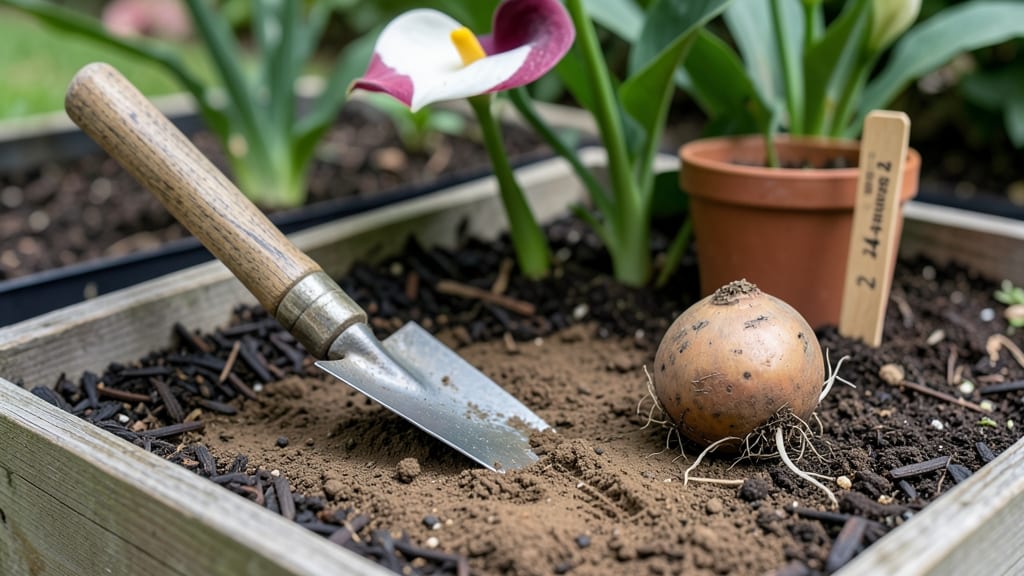
Planting your Calla Lily 🌸 bulbs at the wrong time in Zone 8 could mean waiting months for those showstopping blooms—or worse, losing them entirely. Unlike hardy perennials, these tropical beauties demand precise timing to thrive in our mild-but-variable climate.
The ideal window for Zone 8 gardeners is surprisingly narrow: late winter to early spring, when soil temperatures hit 60°F and frost risk fades completely. But here's the catch—even a few weeks off can trigger rot or stunted growth, especially in hot inland areas versus cooler coastal spots.
I'll walk you through the exact frost-free timeline, soil prep secrets, and how to adjust for containers or second-season blooms. Whether you're a first-time grower or a seasoned gardener, these insights will help you avoid common mistakes that sabotage your Calla Lily 🌸 dreams.
Ready to transform your garden with bold, drama-filled blooms? Let's dive into the timing that makes all the difference in Zone 8's unique growing conditions.

Optimal planting window for calla lilies in Zone 8: avoiding frost and heat stress
In Zone 8, calla lilies thrive when planted during the late winter to early spring window—typically February through April. This timing ensures bulbs escape late frosts while avoiding the brutal summer heat that can stress new growth.
The key is planting after your last frost date (usually around March 15 in most of Zone 8) but before soil temperatures climb above 80°F.
For coastal Zone 8 areas (like Southern California), you can start as early as January since milder winters reduce frost risk.
Inland regions (e.g., Arizona or Texas Hill Country) should wait until March to avoid unexpected cold snaps. Soil temperature is your best guide—aim for 60°F or warmer at a depth of 4 inches.
Here’s why timing matters: Planting too early (December-January) risks bulb rot from cold, wet soil, while planting too late (May-June) exposes tender shoots to heat stress and stunted growth. The ideal window balances these risks for robust blooms by summer’s end.
🌱
| Zone 8 Region | Best Planting Month | Soil Temp Threshold | Key Consideration |
|---|---|---|---|
| Coastal (e.g., CA, OR) | January–February | 55–60°F | Mild winters; low frost risk |
| Inland (e.g., AZ, TX) | March–April | 60–65°F | Avoid late frosts; high summer heat |
| Containers (Anywhere) | April–May | 65°F+ | Flexible timing; move indoors if needed |
| Second Season (Late Summer) | August–September | 70°F+ | For extended blooms; use shade cloth |
If you’re aiming for second-season blooms, replant bulbs in late summer (August–September) after your first harvest. This works best in cooler microclimates (e.g., near water features or under trees) where afternoon shade protects new growth from intense Zone 8 heat.
Just ensure soil stays consistently moist—dry spells can halt flowering.
For container gardening, you’ve got more flexibility. Plant bulbs in April–May and move pots to shaded patios or garages during heatwaves above 90°F. This mimics the tropical origins of calla lilies, which prefer humidity and indirect light over scorching sun.
Pro tip: Use a soil thermometer to check depth. Calla lilies won’t sprout until soil hits 60°F—planting too soon in chilly Zone 8 mornings can leave bulbs dormant for weeks. Patience pays off with bold, healthy foliage by late spring.
🌿
Once planted, mulch with 2–3 inches of organic matter (like shredded bark) to regulate soil temperature and retain moisture. This is especially critical in Zone 8’s dry summers, where mulch can mean the difference between lush blooms and wilting plants.
Avoid synthetic mulches—they don’t break down to enrich soil like compost does.
Finally, if you’re in a transition zone (e.g., Northern California’s Zone 8a vs. Southern Florida’s Zone 8b), err on the side of earlier planting. Cooler microclimates (like valleys) can handle January starts, while hotter inland areas should wait until April to avoid heat stress on emerging shoots.
☀️
Optimal planting window for calla lilies in Zone 8: avoiding frost and heat stress
In Zone 8, the sweet spot for planting Calla Lily 🌸 bulbs is between late February and early April, when soil temperatures consistently reach 60°F and frost risk drops below 10%.
This window balances two critical needs: escaping late-winter freezes and avoiding summer's brutal heat, which can stress newly planted bulbs.
Coastal areas like San Diego or Santa Barbara can plant as early as mid-February, while inland cities like Phoenix or Las Vegas should wait until mid-April to prevent heat shock. The key is watching soil temperature, not just air temperature—use a soil thermometer to confirm readiness.
For a second flush of blooms, you can replant bulbs in late summer (August), but this requires careful water management and shade protection during the hottest afternoons. Many gardeners skip this for simplicity, but it’s a great trick for extending your Calla Lily 🌸 season.
| Stage | Action | Key Consideration |
|---|---|---|
| Late Winter (Feb) | Test soil temperature | Must reach 60°F for 3+ days |
| Early Spring (Mar-Apr) | Plant bulbs 4-6" deep | Space 6-12" apart in partial shade |
| Late Summer (Aug) | Replant for second blooms | Use shade cloth if temps exceed 90°F |
If you miss the spring window, don’t panic—Calla Lilies 🌸 can tolerate late plantings until mid-May, but expect delayed blooms. The trade-off? Bulbs planted after June risk struggling through summer’s heat, even with extra care. Always prioritize soil moisture over speed when replanting.
Pro tip: In Zone 8’s desert regions, mulch heavily with straw or wood chips to insulate bulbs from extreme daytime heat. This mimics their native tropical conditions and prevents the soil from becoming too hot for root development.
For container gardeners, the timeline shifts slightly—you can plant 4-6 weeks earlier in pots, since you control soil warmth. Just move containers to a sheltered spot if frost threatens, and use black plastic mulch to warm soil faster in cooler microclimates.