
Plants
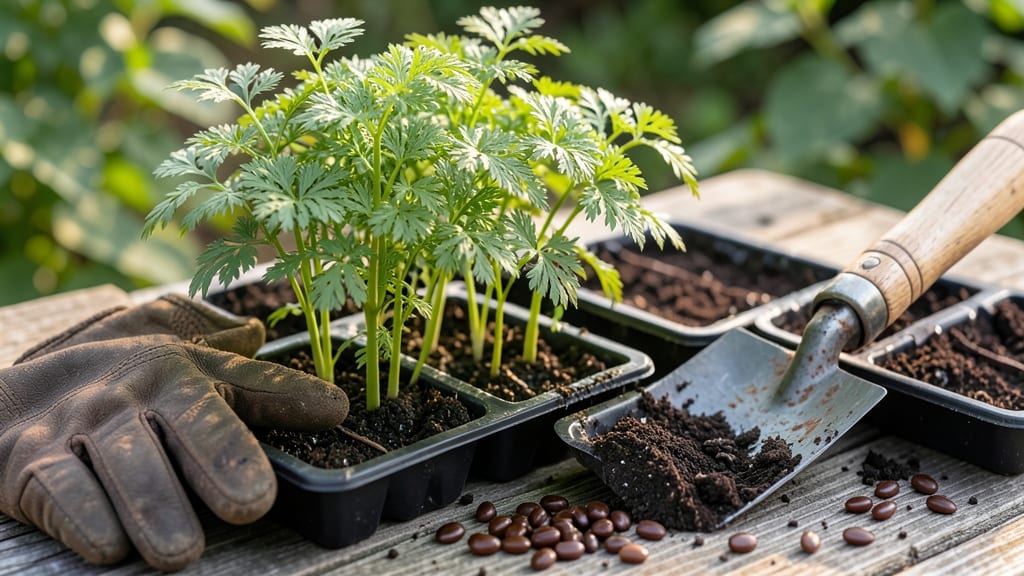
Timing when to plant carrot seeds in Ohio just right can mean the difference between a bumper crop of sweet, crisp 🥕 and a patch of stunted, misshapen roots.
With Ohio's 6a climate and unpredictable spring weather, knowing exactly when to plant is the key to success—whether you're aiming for early spring harvests or late-summer succession crops.
Most gardeners in Ohio wait until mid-March to early April to sow carrot seeds, but that window shifts slightly depending on your exact zone.
Plant too early, and a late frost could wipe out your seedlings; too late, and you might miss the 70-day growth window needed for full-sized roots before fall's first frost. The solution? A two-phase approach that accounts for both spring and fall planting seasons.
In this guide, I’ll break down the exact frost-free dates for Ohio’s 7a and 7b zones, plus the soil temperature sweet spot for germination.
You’ll also discover how to stretch your harvest with succession planting—because nobody wants to go from carrot overload to none in just a few weeks!
Ready to grow carrots that are straight, sweet, and ready to harvest? Let’s dive into the perfect planting schedule tailored for Ohio’s growing conditions, so you can enjoy homegrown 🥕 from summer through fall.
Ohio carrot planting calendar: exact frost-free dates by zone (7a vs 7b)
Ohio’s USDA zones 7a and 7b offer two ideal windows for planting carrot seeds: early spring and late summer. Timing these correctly ensures your carrots grow straight and sweet without frost damage.
For zone 7a (colder), aim for March 15-April 15 and July 15-August 15, while zone 7b (warmer) can start 2-3 weeks earlier.
Carrot seeds need soil temperatures above 50°F to germinate properly. In Ohio, this typically aligns with late March to early April for spring planting. Use a soil thermometer to confirm—if it’s cooler, wait or use black plastic mulch to warm the soil faster.
Your last frost date is critical: plant 3-4 weeks before to give seedlings time to establish. In zone 7a, this is around April 15, while zone 7b can push to April 25. Miss this window, and you risk stunted growth or bolting (flowering too soon).
For fall planting, focus on July-August to harvest before the first frost (October 15). This method extends your growing season and reduces pest pressure. Just ensure seeds are in the ground 8-10 weeks before frost to mature properly.
| Zone | Spring Planting Window | Soil Temp Requirement | Last Frost Date | Fall Planting Window |
|---|---|---|---|---|
| 7a | March 15 - April 15 | 50°F+ | April 15 | July 15 - August 15 |
| 7b | March 1 - April 25 | 50°F+ | April 25 | July 1 - August 20 |
✅ Pro Tip: Use a seed starter kit indoors if planting before March 1 to get a head start.
Ohio’s clay-heavy soil can delay warming, so amend beds with compost or sand 2-3 weeks before planting. This improves drainage and helps seeds germinate faster. Aim for loose, well-draining soil with a pH of 6.0-6.8—carrots hate compacted or acidic soil.
If you’re new to carrots, start with short-season varieties like ‘Nantes’ or ‘Paris Market’, which mature in 50-60 days. These are perfect for Ohio’s shorter growing season. Longer varieties (like ‘Danvers’) need 70+ days and are better suited for zone 7b’s longer summers.
Succession planting is key in Ohio’s short season. Sow seeds every 2-3 weeks from spring until early July to ensure a continuous harvest. This method also reduces pest pressure by staggering plant maturity. Just stop 8-10 weeks before frost to avoid bitter roots.
For container growing, use deep pots (at least 12 inches deep) and plant seeds 1/4 inch deep, spaced 2 inches apart. Containers warm up faster than garden beds, so you can plant 1-2 weeks earlier in spring. Just ensure they have drainage holes to prevent rot.
Monitor your garden for carrot rust fly, a common Ohio pest. Use row covers or plant companion crops like leeks or onions to deter them. If flies appear, switch to fall planting for a pest-free harvest.
5 Critical factors that determine your carrot planting success in Ohio
Ohio’s clay-heavy soil and variable weather can turn carrot planting into a gamble if you don’t account for these 5 key factors. Even with perfect timing, carrots will struggle without the right conditions—so let’s break down what truly matters beyond just frost dates.
First, soil preparation is non-negotiable. Carrots need loose, stone-free soil to grow straight. Ohio’s heavy clay compact easily, so I always amend with compost or sand before planting.
A simple soil test (available through Ohio State University Extension) will tell you if your pH is in the ideal 6.0-6.8 range—carrots hate alkaline soil.
Next, moisture consistency is the secret weapon for sweet, crisp roots. Carrots need consistent moisture but will split if overwatered. I use mulch (straw or grass clippings) to retain moisture and prevent cracking. Drip irrigation is ideal—it delivers water directly to the roots without wetting the foliage, reducing disease risk.
🌱 5 Critical Factors for Ohio Carrot Success
- 🌱 Soil Type: Loose, stone-free, amended with compost
- 💧 Watering: Consistent moisture (1 inch/week), mulch to retain
- 🌿 Companion Plants: Avoid brassicas; pair with onions, leeks, or rosemary
- 🌡️ Seed Depth: ¼ inch deep, never deeper (prevents bolting)
- ☀️ Sun Exposure: Full sun (6+ hours/day), partial shade in summer
Don’t overlook companion planting—it can make or break your harvest. Carrots thrive near onions, leeks, and rosemary, which deter pests like carrot flies. But avoid planting near brassicas (like broccoli)—they attract the same pests.
I also interplant radishes as markers; they grow faster and signal where carrots are planted.
The depth of planting is often overlooked but critical. Carrot seeds should go only ¼ inch deep—any deeper, and they’ll struggle to emerge.
I use a seed starter mix in trays for early sowing, then transplant seedlings when they’re 2 inches tall. Thin seedlings to 2-3 inches apart once they sprout to prevent overcrowding.
Finally, sunlight management is a balancing act. Carrots need full sun (6+ hours/day), but in Ohio’s hot summers, afternoon shade can prevent bolting (when carrots flower prematurely).
If your garden gets intense afternoon sun, consider light shade cloth during peak heat. Succession planting every 2-3 weeks ensures a continuous harvest without overcrowding.