
Companion Plants
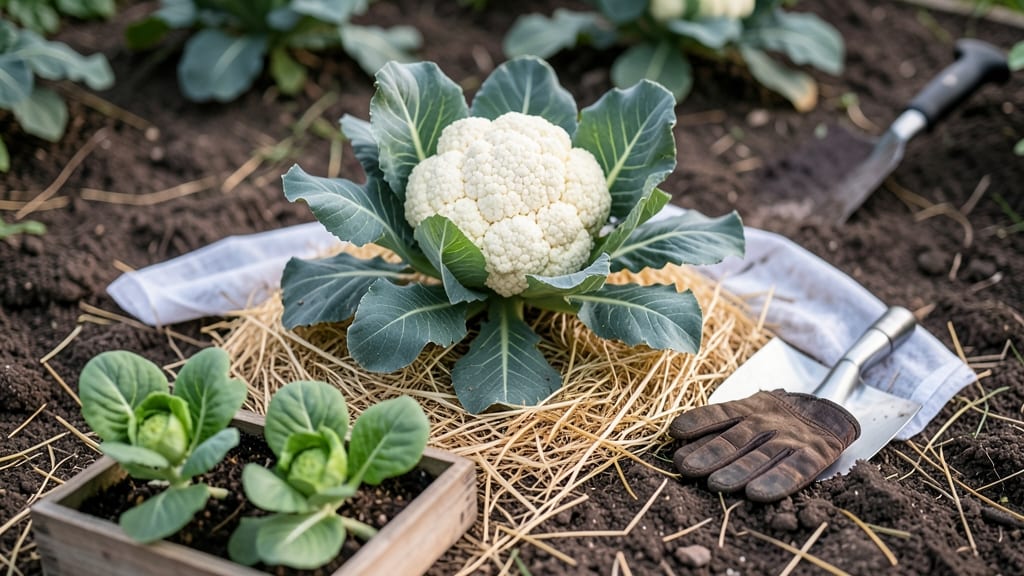
Timing your cauliflower planting in Pennsylvania’s Zone 6a-7b climate is the secret to avoiding frost damage and bitter heads—because getting it wrong means wasted effort and empty garden beds.
Whether you're a first-time gardener or a seasoned grower, those March-April and July-August windows are your golden opportunities to harvest snow-white 🥬 crowns by summer and fall.
The key? Planting 4-6 weeks before your last frost (usually around April 15) for spring crops, or 8-10 weeks before the first frost (around October 15) for fall harvests.
Skip the guesswork with cold-hardy varieties like 'Snowball Y Improved' that thrive in PA’s cooler springs and crisp autumns—because nobody wants to watch their plants bolt in the heat.
Here’s what you’ll learn: how to prep your soil for maximum success, whether to start with transplants or direct sow, and which companion plants keep pests at bay. No more second-guessing—just foolproof timing for the perfect cauliflower harvest in your PA garden.
Ready to turn your garden into a cauliflower powerhouse? Let’s dive into the exact steps to make your planting schedule work for you—no matter where in the state you’re growing.
Best planting times for cauliflower in PA’s Zone 6 climate
Pennsylvania’s Zone 6 climate offers two prime windows for growing cauliflower: early spring and late summer.
The key is planting 4-6 weeks before your last frost date (typically mid-March to mid-April) for spring harvests, or 8-10 weeks before the first frost (usually late July to early August) for fall crops. Timing ensures your plants mature before summer heat or winter frost ruins them.
In Pittsburgh (Zone 6a), aim for March 15-April 1 for spring planting, while Philadelphia (Zone 7a) can start slightly earlier, around March 1-April 15. For fall, both regions should plant by late July to harvest before October 15.
Microclimates matter—gardens near bodies of water may have 1-2 weeks longer growing seasons.
Cauliflower thrives when soil temperatures reach 40°F but struggles in heat above 80°F. Use row covers to protect seedlings from late frosts, and choose cold-hardy varieties like ‘Snowball Y Improved’ or ‘Purple of Sicily’ for better success in PA’s unpredictable weather.
🌱
📅 PA Cauliflower Planting & Harvest Timeline
| Season | Planting Window | Soil Temp | Days to Maturity | Harvest Window |
|---|---|---|---|---|
| Spring | March 15–April 15 | 40–50°F | 70–90 days | May–June |
| Fall | July 15–August 15 | 50–60°F | 80–100 days | September–October |
⚠️ Note: Adjust for your specific last frost date (check local almanac).
For direct sowing, plant seeds ¼-inch deep in well-draining soil with high organic matter. Seedlings take 7–10 days to sprout, so start indoors 4 weeks before outdoor planting if using transplants. Harden off seedlings by exposing them to outdoor conditions for 1 week before transplanting.
In Pittsburgh’s cooler microclimate, prioritize late-spring varieties like ‘Snowball X’ (70 days to maturity) to avoid bolting. Meanwhile, Philadelphia’s longer season allows for early-summer varieties like ‘Graffiti’ (purple cauliflower) planted in late June for fall harvests.
Always test your soil’s pH (6.5–7.0) and amend with compost or lime if needed. Cauliflower is heavy-feeder, so mix in aged manure or balanced fertilizer at planting. Mulch with straw or grass clippings to retain moisture and regulate soil temperature.
🌿
If you’re new to growing cauliflower, start with transplants from local nurseries (available in March–April for spring). Avoid direct sowing in late summer—seedlings struggle to establish before fall frosts.
For succession planting, stagger transplants every 2 weeks in spring or 3 weeks in fall to ensure a continuous harvest.
Pro tip: Blanch your cauliflower heads by tying the outer leaves together with a rubber band 1–2 weeks before harvest. This keeps them tight and white, improving flavor and texture. Harvest in the morning when temperatures are coolest to preserve freshness.
✂️
How to extend your cauliflower season in pennsylvania’s short growing year
Pennsylvania’s short growing season (just 160-180 frost-free days) makes timing critical for cauliflower success. The key to maximizing your harvest? Extending both spring and fall seasons with smart techniques like row covers, succession planting, and companion planting.
These strategies help you avoid the late spring frosts (common after April 15) and early fall chills (hitting around October 15).
Start by planting transplants 4-6 weeks before your last frost (around March 15-April 1 for most of PA) for an early spring crop. Then, use row covers to protect young plants from unexpected late frosts—these lightweight fabrics can add 4-8°F of warmth without overheating your plants.
For fall, sow seeds 8-10 weeks before the first frost (around July 15-August 1) to ensure heads mature before cold sets in.
Another game-changer? Succession planting. Instead of one big batch, stagger your plantings every 2-3 weeks in spring and fall. This ensures a continuous harvest and reduces the risk of losing your entire crop to heat stress or pests.
Pair this with companion plants like dill or thyme, which repel cabbage moths—the #1 enemy of cauliflower in PA gardens.
Prep your soil in February-March by amending with compost and a balanced fertilizer (10-10-10). Aim for a pH of 6.5-6.8—cauliflower is picky about its soil!
Start transplants indoors in late February (6-8 weeks before last frost) or buy healthy seedlings from a local nursery. Harden them off for 7-10 days before transplanting outdoors.
Use row covers for early spring or late fall plantings. Secure them with bricks or stakes to prevent wind damage. Remove covers during the day in summer to avoid overheating.
Don’t forget to mulch around your plants with straw or shredded leaves to retain moisture and regulate soil temperature. This is especially important in PA’s humid summers, where uneven watering can cause heads to split or become bitter.
Water deeply in the morning (before 10 AM) to keep foliage dry and prevent fungal diseases like downy mildew.
With these strategies, you can double your cauliflower harvest in PA—enjoying snow-white heads from late spring through fall! The secret? Plan ahead, protect your plants, and stay consistent with care. Your garden will thank you with bountiful, homegrown cauliflower all season long. 🥬