
Plants
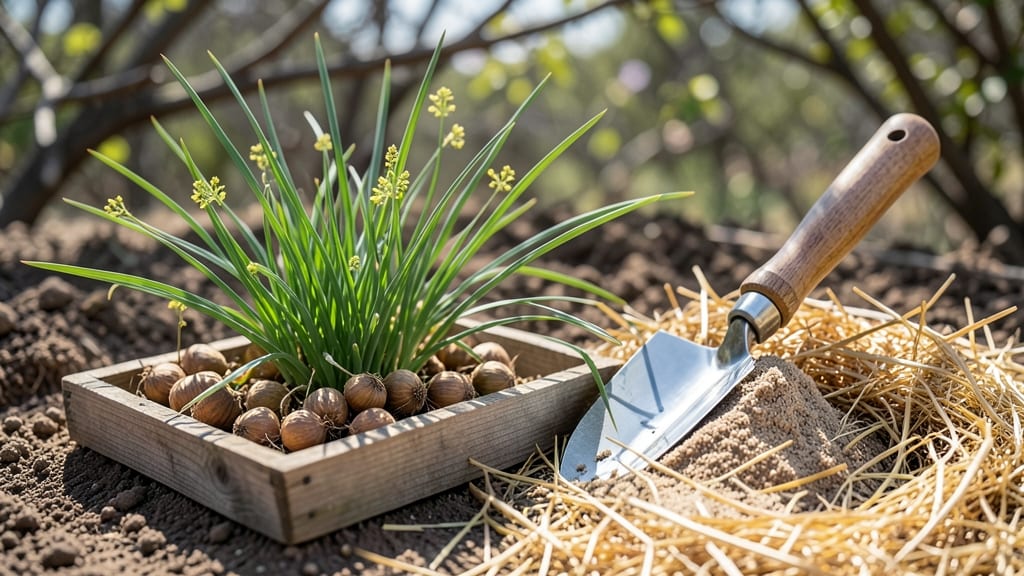
If you're dreaming of growing your own chufa in Georgia, timing is everything—plant too early, and you risk soggy soil and fungal issues, while waiting too long means missing the sweet spot for peak harvests.
Georgia's 7b-8a climate zones create perfect conditions for this unique tuber, but the late spring to early summer window (April-May) is when you'll get the best results. This is when soil temperatures hit that sweet 70°F+ threshold chufa 🌾 craves for germination.
I've seen firsthand how a few weeks difference can mean the difference between a bumper crop and struggling plants. The key is planting after your last frost date—typically around mid-March in most of Georgia—and before summer's intense heat sets in.
Let me walk you through exactly how to time your planting for maximum yield, including soil prep tips and variety selection that works best in Georgia's humid summers. You'll be harvesting those nutty tubers by fall!
Best planting months for chufa in Georgia’s humid climate zones
Georgia's 7b-8a climate zones offer ideal conditions for chufa 🌾, but the perfect planting window depends on your specific microclimate.
Most gardeners in the northern half (like Athens or Gainesville) should aim for late April to early May, while southern regions (Savannah or Brunswick) can start as early as mid-March once soil warms.
The key is waiting for consistent soil temperatures above 70°F—chufa seeds won't germinate properly in cooler conditions. I always check soil temps with a simple probe before planting, and it's saved me from wasted seed packets more times than I can count.
For maximum tuber development, plant when daytime highs reach 80°F+—this typically aligns with June in most of Georgia. The plants will establish roots quickly in warm soil, setting you up for a fall harvest window (September-October) when tubers reach peak flavor.
Here's how Georgia's climate zones break down for optimal planting:
| Climate Zone | Best Planting Window | Soil Temp Threshold | Rainfall Consideration |
|---|---|---|---|
| 7a (North GA) | Late April - Early May | 70°F+ consistently | Avoid wet springs |
| 7b (Central GA) | Mid-April - Mid-May | 68°F+ minimum | Watch for late rains |
| 8a (South GA) | Mid-March - Early April | 65°F+ minimum | Drought risk increases |
| 8b (Coastal GA) | Late February - March | 60°F+ minimum | Hurricane prep timing |
One common mistake I see is planting too early in March—even in southern Georgia. The cooler temperatures slow germination, and you'll end up with weak, leggy plants that struggle in summer heat. I learned this the hard way my first year growing chufa!
For container growing in urban areas, you can extend your planting window by 2-3 weeks later (June instead of May) since pots warm up faster. Just make sure your containers have drainage holes—chufa hates soggy roots!
Rainfall patterns are another critical factor. Georgia's spring rains can create waterlogged conditions that rot chufa tubers. If your forecast shows consistent heavy rains after planting, consider using raised beds with sandy loam mix to improve drainage.
The ideal planting schedule balances warm soil, adequate moisture, and avoiding summer's peak heat. Most successful Georgia growers I've spoken with plant in late May as a compromise—early enough for good establishment but late enough to miss spring's wettest periods.
Remember that chufa tubers take 90-120 days to mature, so your planting window directly affects your harvest timing. For a fall harvest before frost, aim to have plants established by mid-July at the latest.
How to adjust planting time for Georgia’s unpredictable weather patterns
Georgia’s weather can throw curveballs—one week brings unexpected heatwaves, the next brings tropical downpours. Adjusting your chufa 🌾 planting schedule based on forecasts is the secret to avoiding failed crops.
I’ve seen gardeners in Atlanta lose entire plantings to late spring rains, while others in Savannah missed harvests because they planted too late for summer’s heat.
Start by monitoring 7-day forecasts 2 weeks before your target planting date. If high humidity (80%+) and heavy rain are predicted, delay planting by 3-4 weeks to avoid waterlogged soil.
Chufa tubers rot quickly in soggy conditions, and even well-drained soil can become a problem during Georgia’s wettest months (April-May).
For early heatwaves (like the ones hitting June in Macon), use shade cloth (30-50%) during the hottest hours (11 AM–3 PM). This buys you time to establish plants before summer’s peak heat. I’ve used shade cloth for 10-14 days post-planting in years when temperatures spiked to 95°F+ before July.
⚠️ Watch for Hurricane Season Risks
June-November is Georgia’s hurricane window, and storms can drown chufa plants or erode soil. If a tropical storm watch is issued after planting, cover beds with lightweight row covers to protect young shoots. Coastal growers (like those in Brunswick) should plant 2 weeks later to avoid early-season storms.
Drought is another Georgia wildcard. If your area faces back-to-back dry weeks after planting, prioritize deep watering (1-2 inches per week) over frequent shallow watering. Chufa tubers need consistent moisture but will shrink if stressed.
I’ve used drip irrigation on timers to maintain steady soil moisture during dry spells in Columbus.
For container growers, flexibility is key. Pots dry out faster, so adjust planting to June-July if May’s weather is unpredictable. Just ensure containers have drainage holes and use sandy potting mix to mimic Georgia’s native soil.
I’ve had success with 5-gallon grow bags on patios, moving them to shaded areas during heatwaves.
Finally, keep an eye on soil temperature trends. If your area experiences an unusually cold June (like the 2023 heatwave delay), wait until soil hits 75°F+ before planting.
Use a soil thermometer—it’s the most reliable way to avoid guesswork. I’ve delayed plantings by 2 weeks in years when soil stayed below 70°F into early June.