
Plants
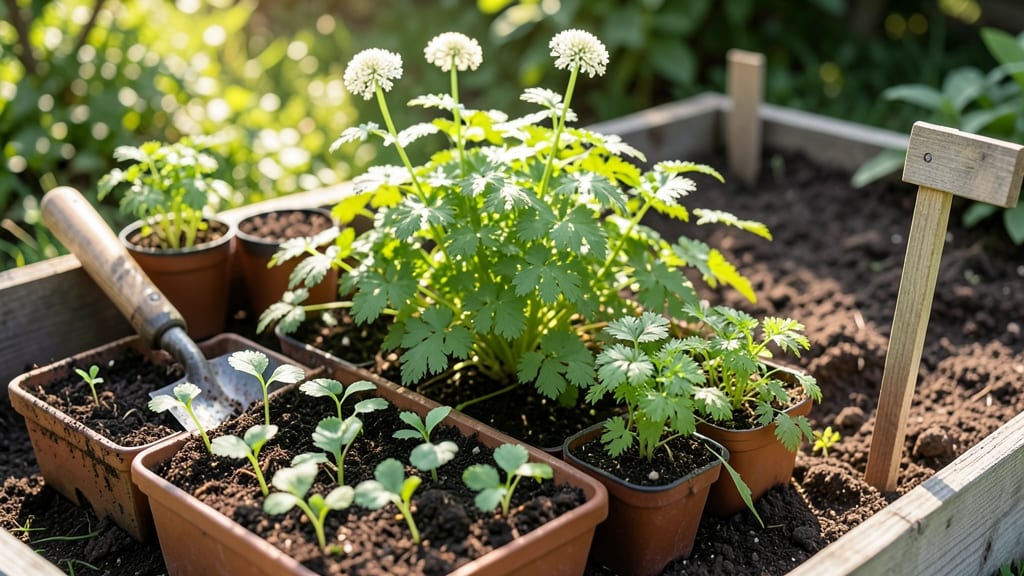
If you've ever planted cilantro in Ohio only to watch it bolt into bitter seeds before you could even harvest, you're not alone. The key to growing fresh, flavorful 🌿 cilantro lies in understanding Ohio's unique climate and planting it at the perfect time.
Cilantro thrives in cool weather, making early spring and late summer the ideal windows for planting in Ohio's USDA Zone 6a. Plant too early, and frost will kill your seedlings; too late, and the heat will send your cilantro racing toward flower production.
Let me show you exactly when to plant for maximum leaf production without the bitter disappointment.
In this guide, you'll discover the best months to start your cilantro seeds, how to extend the growing season, and when to harvest for the freshest flavor. With these cold-weather secrets, you'll be enjoying homegrown cilantro all season long—no bolting required.
Whether you're a seasoned gardener or just starting out, these Ohio-specific tips will help you grow cilantro that's ready to harvest in as little as 30 days. Let's get your garden on track for a successful cilantro season!
Best planting times for cilantro in Ohio’s climate zones
Ohio’s USDA Zone 6a climate creates two perfect windows for growing cilantro: early spring and late summer. The key is planting when soil temperatures stay below 75°F—any hotter, and your cilantro will bolt into bitter seeds faster than you can say "taco night."
Let’s break down the exact timing for Ohio’s microclimates.
For spring planting, aim to sow seeds 4-6 weeks before your last frost date—typically between late March and early April. In Ohio, this usually means starting seeds indoors by mid-March or directly sowing outdoors after April 15, when frost risk drops.
The goal? Get your cilantro established before soil warms past 70°F in late May.
Fall planting offers a second chance for fresh cilantro. Sow seeds in late August to early September, giving them time to mature before Ohio’s first frost hits around October 15. This window works because autumn’s cooling temperatures keep cilantro happy until harvest in October or November.
| Planting Window | Ideal Months | Soil Temp Threshold | Frost Risk | Harvest Window |
|---|---|---|---|---|
| Spring Planting | Late March - Early April | Below 70°F | Low (after April 15) | May - Early June |
| Fall Planting | Late August - Early September | Below 75°F | Moderate (before Oct 15) | October - November |
| Succession Planting | Every 2-3 weeks (spring/fall) | Consistent 60-70°F | Low-Moderate | Extended harvest |
Ohio’s climate varies by region, so adjust these timelines based on your local frost dates. Northern Ohio (Zone 5b) may need to plant 2 weeks later than southern Ohio (Zone 6b). Check your local cooperative extension service for precise frost data—it’s worth the 5-minute search to avoid bolting disasters.
Pro tip: Test your soil temperature with a soil thermometer before planting. Cilantro roots struggle in soil above 75°F, so wait until temperatures stabilize in the 60-70°F range. This patience pays off with flavorful leaves instead of bitter seeds.
For container gardeners, start seeds indoors 3-4 weeks before your outdoor planting date. Use biodegradable pots to avoid transplant shock when moving seedlings outdoors. This head start ensures your cilantro hits the ground running in Ohio’s unpredictable spring weather.
Remember: Cilantro is a cool-season annual, meaning it won’t survive Ohio’s winters. But with two well-timed plantings, you can enjoy fresh cilantro from May through November—no greenhouses required. The secret? Plant early, harvest often, and never let your cilantro get too hot or crowded.
Now that you’ve got the timing down, let’s talk about how to extend cilantro’s season in Ohio’s heat—because even the best planting schedule can’t stop bolting if you don’t take these next steps. Stay tuned for my top tricks to keep your cilantro thriving all summer long!
How to extend cilantro’s growing season in Ohio without bolting
Ohio’s summer heat is cilantro’s worst enemy, but with the right strategies, you can keep your plants thriving well past the ideal planting windows. The key is cooling the roots and managing sunlight to prevent bolting.
Even in Zone 6a, cilantro can survive summer if you take these proactive steps—no greenhouse required.
First, provide afternoon shade using lightweight row covers or even a simple 50% shade cloth. Ohio’s July temperatures often exceed 85°F, and direct sun will send your cilantro bolting within days.
A quick fix? Plant cilantro near taller plants like tomatoes or peppers to create natural shade during peak heat hours.
🌿 Pro Tip: Use drip irrigation to keep soil consistently moist—dry soil accelerates bolting. Water deeply in the morning to prevent fungal issues while maintaining cool root zones.
🌱 Ohio-Specific Cilantro Survival Strategies
- Succession Planting: Sow new seeds every 2-3 weeks in spring/fall to ensure continuous harvests. Ohio’s 165 frost-free days allow 3-4 planting cycles if timed correctly.
- Companion Planting: Pair cilantro with lettuce or spinach—these cool-loving plants create a microclimate that delays bolting. Avoid planting near dill or fennel, which cross-pollinate and ruin flavor.
- Container Gardening: Grow cilantro in 5-gallon pots with 50% perlite to improve drainage. Containers cool faster than garden beds, extending the growing season by 2-3 weeks.
- Harvest Strategically: Cut leaves when they reach 4-6 inches to encourage bushier growth. Never let plants flower—once buds appear, bolting is inevitable within 7-10 days.
- Nighttime Cooling: Mist plants with water after sunset to lower ambient temperatures. This mimics Ohio’s cooler autumn nights and can add 10-14 days to your harvest window.
For container gardeners, black plastic pots absorb more heat than terracotta, so opt for light-colored containers to reflect sunlight. Place pots in partial shade during Ohio’s hottest months (July-August), moving them to full sun only in morning hours.
💧 Watering Warning: Never water cilantro at night—wet foliage promotes fungal diseases like downy mildew, which thrives in Ohio’s humid summers. Stick to morning watering to keep plants dry and healthy.
If you’re determined to grow cilantro in Ohio’s summer, try the "shock and chill" method: Plant seeds in late June but provide full shade until temperatures drop below 80°F in early August. This delayed approach can yield small but usable harvests in September.
Remember, cilantro is a cool-season crop, so don’t fight nature too hard. Focus on spring and fall plantings for the best results, and use these summer tricks as a backup plan. With these strategies, you’ll enjoy fresh cilantro throughout Ohio’s growing season—no bolting in sight!