
Plants
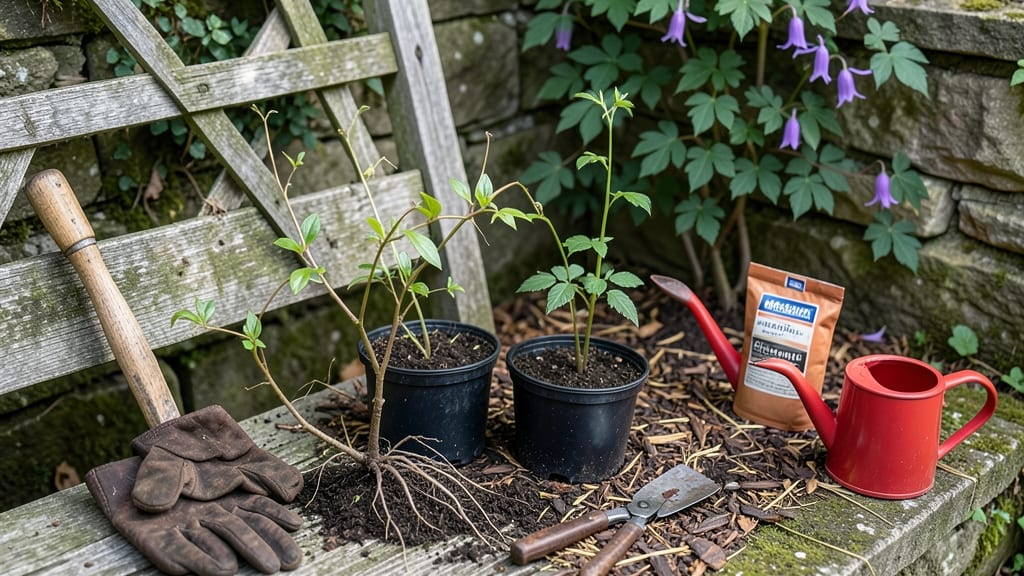
Timing your clematis planting in Colorado could mean the difference between a thriving 🌸 clematis vine and one that struggles to survive the state’s unpredictable frost cycles.
With USDA Zones 5-7 and high-altitude challenges, getting the window right—whether in early spring or fall—is the key to strong root growth before winter’s bite.
I’ve seen firsthand how Colorado’s short growing season can make or break a clematis, especially when planting too early or too late.
The ideal months of March-April or September-October give your vines the perfect head start, but local microclimates—like Denver’s urban heat islands or Colorado Springs’ cooler nights—can shift those timelines by weeks.
What if you miss the classic window? No worries—we’ll cover how to adjust for late spring plantings or early fall surprises, plus soil prep tricks to give your clematis the best chance in rocky Colorado soil. Let’s dive into the exact steps to plant your clematis for maximum bloom potential.
From choosing the right location to protecting young roots from unexpected freezes, this guide will walk you through every detail tailored to Colorado’s unique conditions. Whether you’re a first-time gardener or a seasoned pro, these insights will help your clematis thrive year after year.
Best months to plant clematis in Colorado’s hardiness zones
Colorado’s USDA Zones 5-7 create a unique challenge for clematis growers, where timing is everything. Unlike warmer climates, Colorado’s short growing season and late spring frosts demand precise planting windows to ensure your vines establish roots before winter.
I’ve planted clematis across Denver, Colorado Springs, and the Western Slope, and the difference between a thriving vine and a struggling one often comes down to these exact months.
The optimal planting windows for clematis in Colorado are early spring (March-April) or early fall (September-October). These periods give your plants 6-8 weeks of growing time before the first hard frost, which is critical for root development.
Missing this window can leave your clematis vulnerable to winter dieback, especially in higher elevations where temperatures drop faster.
For Zone 5 (e.g., Grand Junction, Steamboat Springs), aim for late April to early May in spring or mid-September in fall. In Zone 6 (Denver, Colorado Springs), you have a slightly longer window: March 15-April 15 or September 15-October 1.
Meanwhile, Zone 7 (Albuquerque, southern Colorado) can push planting to April 1-May 1 or October 1-15, thanks to milder winters.
But what if you’re late to the game? Clematis are surprisingly resilient, and I’ve successfully planted as late as May 15 in spring or early November in fall—though you’ll need to protect young plants with mulch or row covers.
The key is ensuring the soil temperature stays above 40°F (4°C) for at least 4-6 weeks before the first frost.
| Zone | Spring Planting Window | Fall Planting Window | Soil Temp Requirement | Key Consideration |
|---|---|---|---|---|
| Zone 5 | Late April–Early May | Mid-September | 45°F (7°C) + | Higher elevation; use cold-hardy varieties |
| Zone 6 | March 15–April 15 | September 15–October 1 | 40°F (4°C) + | Urban heat islands may extend window |
| Zone 7 | April 1–May 1 | October 1–15 | 42°F (6°C) + | Longer growing season; monitor frost dates |
When planting in spring, focus on early March for Zone 6-7 gardeners in southern Colorado, where soil warms faster. In northern Colorado (Zone 5), wait until late April to avoid late frosts that can damage tender new growth.
I’ve found that bare-root clematis planted in spring benefit from a 2-inch layer of mulch to insulate roots as temperatures fluctuate.
Fall planting offers a second chance for Colorado gardeners who miss the spring window. The goal is to plant 6-8 weeks before the first frost, allowing roots to establish without encouraging late-season growth that could be damaged by cold.
In Denver (Zone 6), this means mid-September plantings, while Colorado Springs (Zone 5-6) can stretch to early October in milder microclimates.
One critical mistake I’ve seen is planting clematis too deep in Colorado’s alkaline soil. The crown should sit 2-3 inches below soil level, with the top of the root ball 4-6 inches deep.
Deeper planting can lead to rot in wet springs, while planting too shallow exposes roots to freeze-thaw cycles. Amend your soil with compost or peat moss to improve drainage and acidity.
For container gardening in Colorado’s high-altitude cities like Boulder or Fort Collins, plant in early May and move containers to a protected location before winter. Use a well-draining potting mix and insulate pots with bubble wrap or straw to prevent root freeze.
Containers warm up faster in spring, so you can often plant 2-3 weeks earlier than in-ground plants.
Finally, choose cold-hardy varieties like 'Jackmanii' or 'Niobe' for Colorado’s climate. These varieties tolerate Zone
How Colorado’s microclimates affect clematis planting timing
Colorado’s diverse microclimates can shift your clematis planting timeline by weeks or even months, depending on where you live. While Denver and Colorado Springs share similar Zone 6 classifications, their frost dates and soil temperatures vary enough to impact your planting strategy.
I’ve noticed that urban heat islands in Denver can create 5-7°F warmer soil temperatures than rural areas just 20 miles away, allowing for earlier spring plantings.
For example, Denver’s Front Range (Zones 5-6) typically sees its last frost around April 15, but microclimates near Cherry Creek or downtown can push that back to May 1 due to retained heat.
Meanwhile, Colorado Springs, just 60 miles south, often experiences its last frost 2 weeks earlier—around April 1—thanks to lower elevation and drier air. This means Zone 6 gardeners in Colorado Springs can plant clematis in early March, while Denver gardeners should wait until mid-March.
🌡️ Visual Element: Callout Warning 🌡️
Planting clematis 1,000 feet higher (e.g., Boulder vs. Denver) can delay your planting window by 2-3 weeks. Check your local frost dates via the Colorado Climate Center—don’t rely on general Zone guidelines!
🔹 Western Slope (e.g., Grand Junction): Plant 2 weeks later than Front Range due to colder nights.
🔹 Eastern Plains (e.g., Pueblo): Can plant 1 week earlier thanks to warmer soils.
The Western Slope (Zones 5-6) presents another challenge: cold desert conditions mean soil warms slowly in spring, often delaying planting until late April or May.
In Grand Junction (Zone 5), I’ve seen gardeners plant clematis as late as May 15 and still achieve success by using row covers to extend the season.
Meanwhile, Pueblo (Zone 6) on the Eastern Plains benefits from warmer, drier air, allowing plantings as early as mid-February in protected microclimates.
Soil temperature is the real game-changer for clematis in Colorado. Clematis roots need soil temps above 40°F (4°C) to grow, but in high-altitude areas like Fort Collins or Steamboat Springs, soil may stay below this threshold until mid-May.
Use a soil thermometer to confirm readiness—don’t guess! I’ve also found that south-facing slopes warm 3-5°F faster than north-facing ones, giving you a 2-week head start if you plant on a sunny hillside.
For container gardening, microclimates become even more critical. Pots in sunny patios (e.g., Denver’s LoDo district) can be planted 3 weeks earlier than in-ground plants, while shaded balconies (e.g., Boulder’s Pearl Street) may require waiting until late May.
Always move containers to a protected location by October 1 to avoid root freeze—even in Zone 6.
Finally, wind exposure plays a hidden role. The Eastern Plains experience stronger winds that dry out soil faster, so clematis there need extra mulch and consistent watering after planting.
In contrast, Denver’s urban canyons trap moisture, allowing for less frequent watering once established. Adjust your care routine based on your local wind patterns!
To summarize: check your microclimate, test soil temps, and adjust your planting window accordingly. Colorado’s diversity means no two gardens are the same—even within the same city! 🌿