
Plants
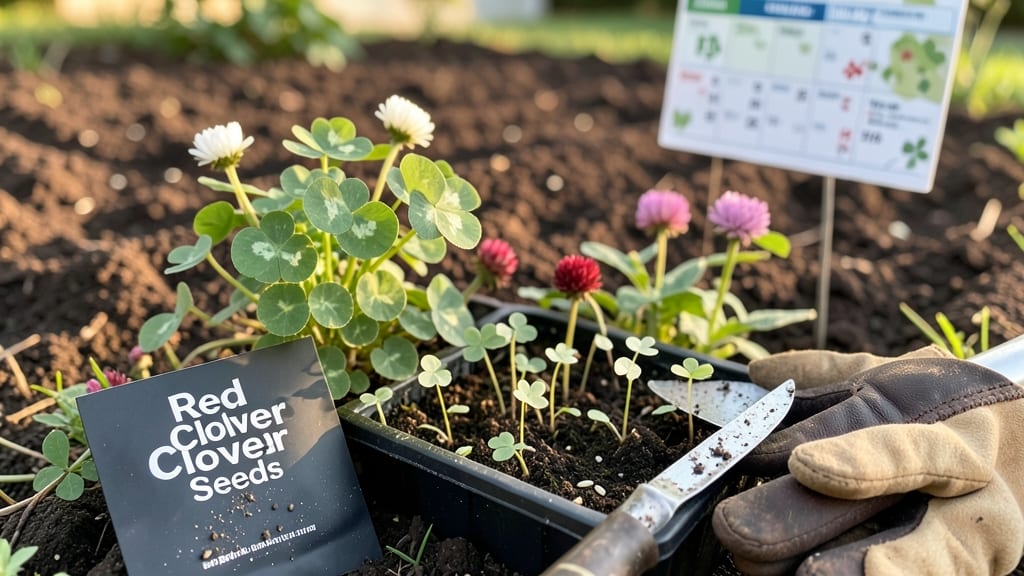
If you're wondering when to plant clover in Illinois, timing is everything for that lush, low-maintenance lawn you're dreaming of. Illinois' USDA zones 5-6 mean you've got two prime windows: early spring or fall, when soil temps cooperate and frost isn't lurking.
Let's cut to the chase - planting 🌱 clover in March-April or September-October gives you the fastest germination and strongest roots. These months align perfectly with Illinois' last frost dates (mid-April) and first frost (mid-October), giving your clover the ideal growing window.
What makes this timing so critical? Clover thrives when soil temperatures hit 50-60°F, which happens naturally during these windows. Plus, fall planting means your clover establishes roots before winter, giving it a head start when spring arrives.
Whether you're aiming for white Dutch clover's quick cover or red clover's nitrogen boost, I'll show you exactly how to time your planting for fast results and best growth in Illinois' unique climate. Let's get your clover off to the perfect start.
Optimal planting months for clover in Illinois by region
Timing your clover planting in Illinois can make the difference between a lush, vibrant lawn and a patchy, struggling cover. Since Illinois spans USDA hardiness zones 5a-6b, the best planting windows vary slightly between Northern and Southern regions.
Let’s break down the ideal months for each variety—white Dutch clover, red clover, and crimson clover—to ensure fast germination and year-round benefits.
For Northern Illinois (zones 5a-5b), the window for planting clover is narrower due to earlier frost dates. Aim to sow seeds 4-6 weeks before your last frost date, typically between late March and early April.
This timing allows clover to establish roots before summer heat sets in. Fall planting is also critical—sow seeds 6-8 weeks before your first frost, usually mid-September to early October, so clover can germinate before winter dormancy.
In Southern Illinois (zones 6a-6b), you’ve got a bit more flexibility. Plant clover in early March to mid-April for spring growth or mid-September to late October for fall establishment. The milder winters here mean clover can sometimes survive light frosts, but early planting still gives it the best start.
Always check your local average frost dates—they’re your planting clock!
Now, let’s talk clover varieties. White Dutch clover is the fastest germinator, ideal for spring planting (March-April) in both regions. Red clover, with its deeper roots, thrives when planted in early fall (September), while crimson clover prefers late summer to early fall (August-September) for best results.
Each variety has its own peak germination window, so choose wisely based on your goals—soil health, pollinator support, or erosion control.
| Region | Best Spring Planting | Best Fall Planting | Clover Variety | Why It Works |
|---|---|---|---|---|
| Northern IL (Zones 5a-5b) | Late March–Early April | Mid-September–Early October | White Dutch Clover | Fast germination, tolerates cooler soil. |
| Southern IL (Zones 6a-6b) | Early March–Mid-April | Mid-September–Late October | Red or Crimson Clover | Deeper roots handle warmer soil. |
| Both Regions | Avoid planting after May | Avoid planting after November | All Varieties | Late planting = poor establishment. |
If you’re planting clover for pollinators or soil improvement, prioritize early spring or fall. These windows ensure clover blooms before summer drought or after summer heat, providing consistent nectar for bees and butterflies.
For lawn replacement or erosion control, fall planting often yields better results because clover establishes deeper roots before winter.
One common misconception is that clover can be planted anytime. But Illinois’ variable weather—from late frosts to sudden heatwaves—means timing matters. For example, planting white Dutch clover in May might work in Southern Illinois, but in Northern Illinois, it’ll struggle to germinate before summer dryness sets in.
Always align your planting with local weather patterns, not just calendar months.
Pro tip: Use a seed starter kit to test germination rates before full-scale planting. This helps you adjust timing based on your specific soil conditions. For instance, clay-heavy soils in Northern Illinois may need an extra week of pre-soaking seeds to soften the ground.
In sandy soils in Southern Illinois, seeds might germinate faster, so plant slightly earlier.
Remember, clover is a perennial, meaning it’ll return year after year if planted correctly. But that first year is critical. By following these region-specific windows, you’ll set your clover up for success—whether you’re aiming for a low-maintenance lawn, better soil health, or a bee-friendly garden.
Ready to dive deeper? Next, we’ll cover how to prep your Illinois soil for fast germination—including pH testing, tilling depth, and moisture tricks that cut germination time in half. 🌱
Optimal planting months for clover in Illinois by region
Illinois’ USDA zones 5a-6b mean clover thrives in two key windows: early spring and early fall. Northern Illinois (zones 5a-5b) has shorter frost-free seasons, while Southern Illinois (zones 6a-6b) enjoys longer growing periods.
Timing matters—plant too early, and frost will kill seedlings; too late, and heat stress slows germination.
For white Dutch clover, aim for March 15–April 15 in spring or September 1–October 15 in fall. Red clover and crimson clover prefer late April–early May or late August–early September to avoid summer drought. Southern Illinois can push fall planting to mid-October safely.
Here’s how Illinois’ regional frost dates impact timing:
- Northern Illinois: Last frost April 15–May 1; first frost October 15–20.
- Southern Illinois: Last frost March 30–April 10; first frost October 25–November 5.
| Region | Spring Window | Fall Window | Best Variety | Key Tip |
|---|---|---|---|---|
| Northern Illinois | March 15–April 15 | September 1–October 15 | White Dutch | Use row covers for late spring |
| Southern Illinois | April 1–May 10 | August 20–October 15 | Red/Crimson | Fall planting extends bloom season |
Spring planting benefits from warmer soil temperatures (above 50°F) and consistent moisture. Fall planting lets clover establish roots before winter, reducing spring competition with weeds. For both seasons, test soil pH (ideal: 6.0–7.0) and loosen compacted areas 4–6 inches deep.
If you miss the ideal windows, late summer (August) is a backup for Southern Illinois. Just water deeply every 3–4 days to prevent drought stress. Avoid planting in July or January—extreme heat or cold will fail germination.
Pro tip: Mulch lightly after sowing to retain moisture. Use straw or shredded leaves (never thick layers), and keep it 1/4-inch deep to avoid smothering seedlings. This works year-round but is critical in dry springs like 2023’s.