
Plants
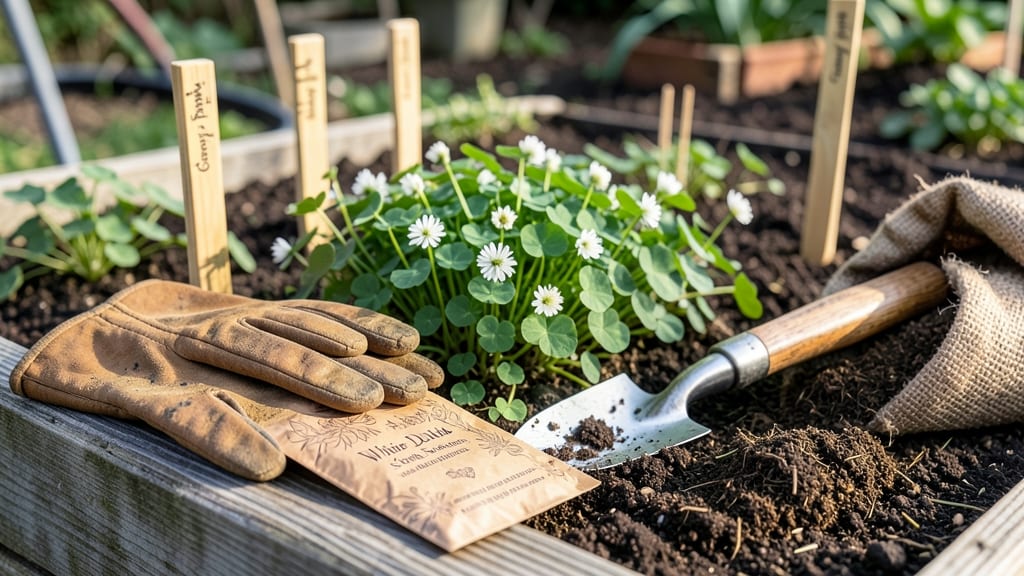
Timing your clover planting in Indiana could mean the difference between a lush, thriving lawn and a patchy disappointment—especially when those unpredictable spring rains or early fall frosts sneak up. 🌱 Whether you're sowing it as a cover crop, forage, or lawn mix, getting the soil temperature right is the key to success in zones 5b-6b.
You might think planting clover is as simple as tossing seeds in the ground, but Indiana's climate demands a more strategic approach. The ideal window opens when soil temperatures hit 40°F-60°F, which typically lands in early spring (March-April) or early fall (September-October).
That's when your clover seeds will germinate reliably, avoiding the pitfalls of either too-cold or too-hot conditions.
What sets Indiana apart is its regional variations—northern areas might need to wait until after the last frost (April 15), while southern regions can plant slightly earlier.
The secret isn't just about dates, though; it's about reading your soil and adjusting for microclimates that can make all the difference in your garden's success.
I'll walk you through exactly how to prepare your soil, recognize the perfect planting window, and avoid common mistakes that even experienced gardeners make. By the end, you'll know exactly when to plant clover in Indiana for maximum growth—no more guesswork, just thriving green coverage year-round.
Optimal Indiana clover planting times by soil temperature (spring vs fall)
Indiana’s USDA Zones 5b-6b mean clover thrives with precise timing—soil temperature is your best guide. Unlike many plants, clover germinates best when soil reaches 40°F-60°F, avoiding both frost risk and summer heat stress.
Let’s break down the ideal planting windows for your Hoosier State garden, whether you’re seeding in spring or fall.
Spring planting offers the fastest establishment, but Indiana’s last frost date (April 15) varies by region. Northern Indiana (Zone 5b) may need to wait until late April, while southern areas (Zone 6b) can start as early as mid-March.
Fall planting, however, gives clover a head start before winter—just plant 6-8 weeks before first frost (October 20).
Here’s the critical comparison between spring and fall planting, including soil temperature thresholds and regional adjustments:
| Factor | Spring Planting (March-April) | Fall Planting (September-October) |
|---|---|---|
| Soil Temperature | 45°F-60°F (Northern IN) / 50°F-65°F (Southern IN) | 40°F-50°F (Northern IN) / 45°F-55°F (Southern IN) |
| Best Time | After last frost (April 15) | 6-8 weeks before first frost (by October 20) |
| Germination Time | 10-14 days (warmer soil) | 14-21 days (cooler soil) |
| Establishment Speed | Fast (6-8 weeks) | Slower (8-10 weeks) |
| Regional Adjustment | Wait until soil warms in Zone 5b | Plant earlier in Zone 6b |
For northern Indiana (Zone 5b), aim to plant red clover or white clover between April 15-May 1 in spring, or September 1-October 10 in fall. Southern Indiana (Zone 6b) gardeners can start 2-3 weeks earlier in both seasons.
Use a soil thermometer to confirm temperatures—this avoids the risk of frost damage or heat stress.
Pro tip: If you’re planting as a cover crop, fall is ideal—clover grows slowly in cool weather, suppressing weeds without competing with other plants. For lawn mixes, spring planting ensures faster ground cover before summer heat sets in.
Always choose Indiana-adapted varieties like Dutch white clover or Alsike clover for best results.
Watch for unpredictable Indiana weather—a late frost in April or an early cold snap in October can derail your clover. Use row covers if planting early, and monitor your local Purdue Extension forecast for real-time adjustments.
Timing isn’t just about the calendar; it’s about soil conditions and microclimates in your specific yard.
Once you’ve nailed the planting window, the next critical step is soil preparation. Indiana’s clay-heavy soils need special attention—we’ll cover that in the next section, including pH adjustment, tilling depth, and companion planting strategies to maximize your clover’s success.
Don’t skip this step, or you’ll risk poor germination and weak growth.
🌱
Optimal Indiana clover planting times by soil temperature (spring vs fall)
Indiana’s USDA zones 5b-6b create unique challenges for clover planting, where soil temperature swings between 30°F and 70°F in just a few months. The key to success lies in planting when soil temps hit that 40°F-60°F sweet spot—this ensures fast germination without risking frost damage or heat stress.
For most of Indiana, this window opens in early spring (March-April) or early fall (September-October), but northern counties may need to wait until after the April 15 last frost date.
Spring planting gives clover a head start, but fall planting offers cooler soil and fewer weeds. The best approach? Start with a soil thermometer to confirm temps before seeding.
In southern Indiana, you might plant as early as late February, while northern areas should wait until mid-April to avoid late frosts that can kill young seedlings. This regional flexibility is why checking your local Indiana State Climate Office forecasts is a game-changer.
| Planting Window | Soil Temp Threshold | Indiana Region | Key Considerations |
|---|---|---|---|
| Early Spring | 40°F-50°F | Southern Indiana | Plant late February-March; avoid frost-prone areas. |
| Mid-Spring | 50°F-60°F | Central Indiana | Ideal March-April window; align with last frost. |
| Late Spring | 60°F+ | Northern Indiana | Wait until mid-April to avoid late frosts. |
| Early Fall | 50°F-60°F | All Regions | Plant September-October for root establishment before winter. |
Fall planting is my preferred method for perennial clover varieties like white Dutch clover or red clover, as it allows roots to establish before winter dormancy. Aim to plant 6-8 weeks before the first frost (October 20), giving seeds time to germinate and develop a strong root system.
In contrast, spring planting works best for annual clovers like crimson clover, which thrive when seeded into warmed soil after the last frost.
One common mistake? Planting too late in spring when soil temps exceed 70°F. Clover seeds struggle to germinate in heat, leading to poor establishment. To avoid this, always check soil temps with a thermometer—don’t rely solely on air temperature.
For example, a 75°F air temp can still hide 65°F soil, which might be too warm for optimal germination.
Pro tip: If you’re planting clover as a cover crop or lawn mix, consider a fall seeding strategy. The cooler temps reduce weed competition, and clover will establish before winter, giving you an early spring advantage.
For forage clover, spring planting is often better to align with grazing cycles. Either way, the soil temperature rule remains your best guide—stick to it, and you’ll see faster, more reliable growth.
Remember, Indiana’s microclimates mean your neighbor’s perfect planting time might not work for you. Use a local weather app or USDA frost maps to fine-tune your schedule. With the right timing, your clover will thrive year-round, whether you’re aiming for a lush lawn, soil improvement, or forage production. 🌿