
Plants
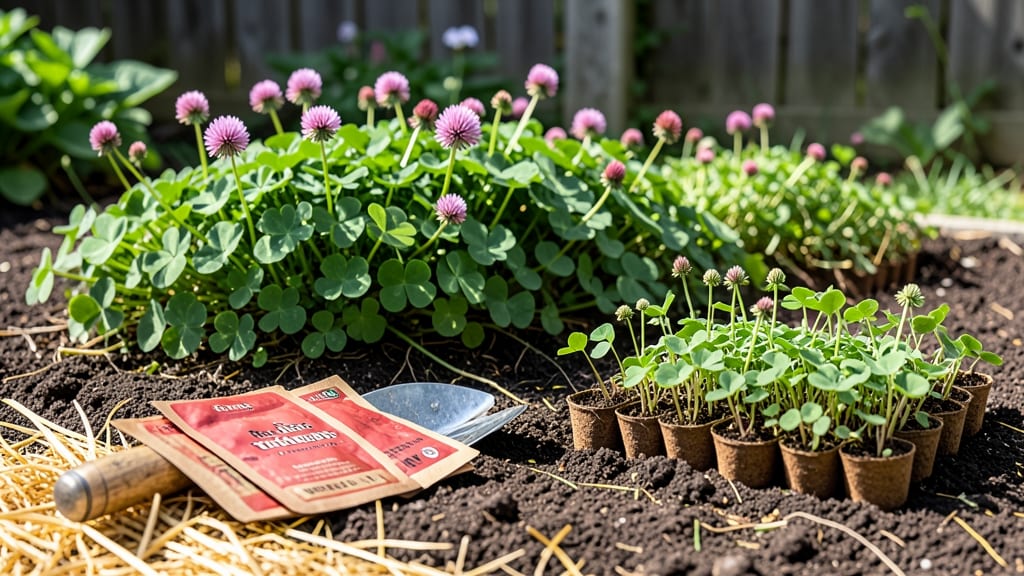
Planting clover in Maryland at the wrong time can mean wasted seeds or stunted growth—especially when you're aiming for that lush, pollinator-friendly ground cover by next spring. The 7a-8a zones here give you two prime windows: early spring or early fall, but timing matters more than you might think.
Maryland’s last frost typically hits around March 15, and that’s your cue to get clover seeds in the ground—3-4 weeks before gives roots time to establish before summer heat arrives.
Or, if you prefer fall planting, aim for September-October when soil stays warm enough for germination but weeds are less aggressive.
Why does this matter? Clover thrives when soil temperatures hover between 50-70°F, and Maryland’s clay-heavy soils can get too hot or too cold outside those windows. I’ll show you exactly how to align planting with your local microclimate for the fastest, most reliable results.
Whether you’re fixing erosion, boosting lawn density, or creating a bee-friendly garden, getting the timing right is the key to avoiding common pitfalls. Let’s break down the best strategies for your specific zone.
Maryland clover planting timeline: zone 7A vs 7B frost dates
Maryland’s USDA Zones 7A and 7B create slightly different planting windows for clover. In Zone 7A, the last frost typically arrives around March 15, while Zone 7B sees it about a week earlier.
This difference means your timing should adjust based on your exact location to avoid frost damage to young seedlings.
For white Dutch clover and microclover, the ideal planting window is March 15–April 15 for spring growth. If you prefer red clover, which establishes faster, aim for September 1–October 15 to take advantage of cooler fall temperatures and avoid summer heat stress.
Understanding these frost dates helps you align your planting schedule with Maryland’s 190 frost-free days. Missing the window can lead to slow germination or seedling death when temperatures dip below 40°F.
Here’s how the planting windows compare across Maryland’s sub-zones:
| Zone | Last Frost Date | Spring Planting Window | Fall Planting Window |
|---|---|---|---|
| 7A | March 15 | March 22–April 15 | September 15–October 15 |
| 7B | March 1 | March 1–April 1 | September 1–October 1 |
Spring planting in Maryland should start 2–3 weeks after the last frost to ensure soil temperatures reach at least 50°F. This timing gives clover seedlings enough warmth to germinate without competing with weeds that sprout earlier in the season.
For fall planting, aim to finish by October 15 in Zone 7A or October 1 in Zone 7B. Planting too late risks seedlings not establishing roots before the first frost, which can kill young plants. Fall-planted clover also benefits from cooler temperatures, reducing stress and encouraging root growth.
If you’re unsure about your exact frost dates, check the National Weather Service or local Cooperative Extension Service for your county’s historical data. This small step can save you from wasted seeds and failed clover patches.
Remember, microclover is more forgiving than traditional clover varieties. It germinates faster and tolerates cooler soil temperatures, making it a great option if you’re pushing the spring planting window.
Once planted, maintain consistent moisture for the first 4–6 weeks to help clover establish a strong root system before Maryland’s summer heat sets in.
How to choose between spring vs. fall clover planting in Maryland
Maryland gardeners often debate whether to plant clover in spring or fall, and the answer depends on your goals. Spring planting gives you a head start on summer blooms and pollinator support, while fall planting avoids summer heat stress and weed competition.
Both seasons have unique advantages for Maryland’s USDA zones 7A and 7B. 🌱
Spring planting (March–April) lets clover establish roots before summer’s heat, but it competes with weeds and requires consistent watering. Fall planting (September–October) gives clover a cooler establishment period and reduces weed pressure, but you’ll miss early-season blooms.
My experience shows fall planting often yields stronger root systems for next year’s growth. 🌿
Spring Planting (March–April)
✅ Pros
- Early blooms for pollinators
- Full growing season for establishment
- Better for seed production
❌ Cons
- Weed competition peaks in spring
- Requires frequent watering during dry spells
- Slower establishment in hot summers
Fall Planting (September–October)
✅ Pros
- Cooler soil temps for root growth
- Less weed pressure in fall
- Stronger roots before winter
❌ Cons
- Misses early blooms for pollinators
- Limited growing time before frost
- Requires winter protection in zone 7A
For Maryland’s clay-heavy soils, fall planting often wins because the ground stays workable longer and weeds are less aggressive. However, if you’re growing clover for early pollinator support, spring planting is the way to go.
I’ve seen microclover thrive with both methods, but red clover benefits more from fall establishment in humid summers. 🌡️
Soil temperature is critical—clover roots struggle in soils above 80°F. In Maryland, spring soils warm quickly, while fall soils stay ideal until October. Test your soil’s temperature with a soil thermometer before planting; aim for 55–75°F for best germination. 🌱
Weed competition is another key factor. Spring planting means battling crabgrass and chickweed, while fall planting gives clover a cleaner start. If your lawn has dense weed pressure, consider pre-emergent herbicides in early spring or fall to give clover a fighting chance. ✂️
Ultimately, fall planting is my top recommendation for Maryland’s climate, but spring works well if you’re patient with watering and weed control. Both seasons can yield beautiful clover covers—just choose based on your priorities! 🌿