
Plants
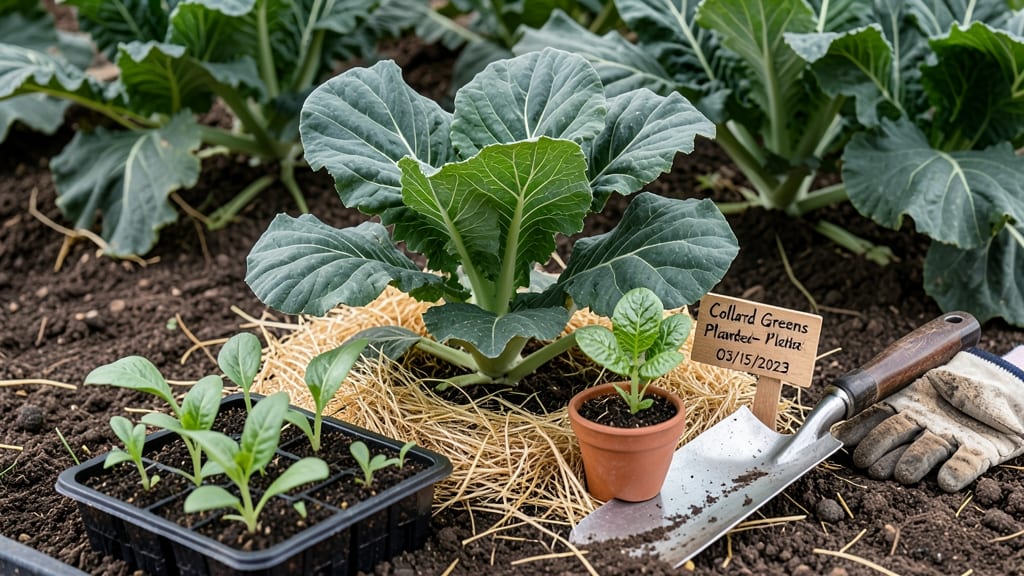
Planting collard greens in Tennessee might seem tricky with its unpredictable weather swings, but timing is everything for those sweet, tender leaves you crave. Unlike northern gardens, Tennessee’s 6a-7b zones give you two prime chances to grow 🥬—spring and late summer—when heat doesn’t turn your greens bitter.
Most gardeners miss the sweet spot: planting too early in spring risks bolting, while summer heat can stress young plants. The key is working with Tennessee’s climate—cool early springs and warm falls—to stretch your harvest from October through December.
I’ll show you exactly when to start seeds or transplants for foolproof results.
You’ll also discover how to beat Tennessee’s summer heat with shade tricks and mulching, plus why late August is your second-best planting window. Whether you’re a first-time gardener or a seasoned grower, these tips will help you avoid common mistakes and enjoy homegrown collards year after year.
Ready to grow collards that taste better than store-bought? Let’s dive into the perfect planting schedule tailored just for Tennessee’s unique growing conditions.
Best collard green planting times in Tennessee: month-by-month heat tolerance guide
Tennessee’s USDA zones 6a-7b create a unique growing window for collard greens, where you can plant them in both spring and fall for optimal harvests. Unlike northern climates, our mild winters and hot summers demand precise timing to avoid bitter leaves or heat stress.
The key is planting when soil temperatures stay between 50°F and 70°F—too hot or too cold throws off growth.
For spring plantings, aim for late March to early April in most of Tennessee, once the last frost date has passed.
In Zone 6a (eastern Tennessee), this might be slightly later—mid-April. Fall plantings should happen 8-10 weeks before the first frost, typically late August to early September, to ensure a winter harvest before temperatures drop below 20°F.
Here’s the breakdown of ideal planting windows based on Tennessee’s microclimates, including heat tolerance thresholds and variety recommendations:
| Planting Window | Ideal Months | Soil Temp (°F) | Heat Tolerance | Variety Recommendations | Harvest Window |
|---|---|---|---|---|---|
| Spring Planting | Late March–Early April | 50–65°F | Moderate (avoid planting when temps exceed 80°F) | Vates, Blue Max (heat-tolerant varieties) | June–October |
| Summer Planting | June–July (risky; use shade cloth) | 65–75°F | Low (stress leads to bolting) | Georgia Southern (best for heat) | September–November |
| Fall Planting | Late August–Early September | 55–70°F | High (thrives in cool weather) | Champion, Top Bunch (cold-hardy) | October–December |
| Winter Planting | November–Early December (protected) | 40–50°F | Very High (frost-sweetened flavor) | All varieties (use row covers) | January–March |
If you’re in western Tennessee (Zone 7b), you can push spring plantings slightly earlier—early March—while eastern Tennessee (Zone 6a) gardeners should wait until mid-April to avoid late frosts.
For summer plantings, only attempt this in partial shade or with 30% shade cloth, as collards bolt quickly when exposed to consistent 90°F+ temps.
Pro tip: Use a soil thermometer to check temperatures before planting. Collard seeds won’t germinate below 50°F, and soil above 85°F will cause poor germination. In hot summers, opt for direct sowing instead of transplants to avoid shocking the roots.
For a year-round harvest, stagger plantings every 2–3 weeks from March through September. This ensures a continuous supply of tender leaves, even when some plants bolt or succumb to heat.
Just remember: collards love cool weather, so the best flavor comes from plants grown in fall and winter.
One common mistake Tennessee gardeners make is planting too early in spring, which leads to bolting (premature flowering) by summer. To prevent this, choose heat-tolerant varieties like ‘Georgia Southern’ and use mulch to keep soil cool.
For fall plantings, focus on cold-hardy types like ‘Champion’ to withstand light frosts without damage.
Finally, always harden off seedlings for 7–10 days before transplanting, especially if moving them from indoor starts to outdoor beds. This acclimation period reduces stress and helps plants establish faster in Tennessee’s variable spring weather.
With the right timing, you’ll enjoy sweet, tender collards from late summer through winter!
Best collard green planting times in Tennessee: month-by-month heat tolerance guide
Tennessee’s 6a-7b climate zones create perfect conditions for collard greens, but timing is critical. Plant too early in spring, and you’ll risk bolting from heat stress. Wait too long in summer, and your plants may struggle with Tennessee’s 90°F+ temperatures.
The ideal windows are March-April for spring and August-September for fall, when soil temps stay below 85°F.
Most gardeners focus only on spring planting, but Tennessee’s extended growing season lets you harvest 🥬 from October through December. The key is understanding your last frost date (mid-April) and first frost date (mid-October). Planting 4-6 weeks before frost ensures mature leaves before cold sets in.
🌱 Did You Know? Tennessee’s East Tennessee (Zone 6a) has cooler springs than Middle Tennessee (Zone 7a) or West Tennessee (Zone 7b). Adjust planting dates 1-2 weeks earlier in higher elevations like the Smoky Mountains.
For spring planting, start seeds indoors in late February to transplant after the last frost (mid-April). Direct sowing in March works if soil temps stay above 50°F. In summer, focus on August plantings with shade protection—Tennessee’s heat can turn leaves bitter if stressed.
My pro tip: Use mulch (straw or leaves) to keep soil cool and retain moisture. This extends your planting window by 2-3 weeks in both spring and fall. Avoid planting in July unless you’re using drip irrigation and shade cloth.
Remember, collard greens thrive in Tennessee’s cool-season but need protection from extreme heat. With the right timing, you can enjoy sweet, tender leaves from October through December—just in time for holiday meals! 🥬