
Plants
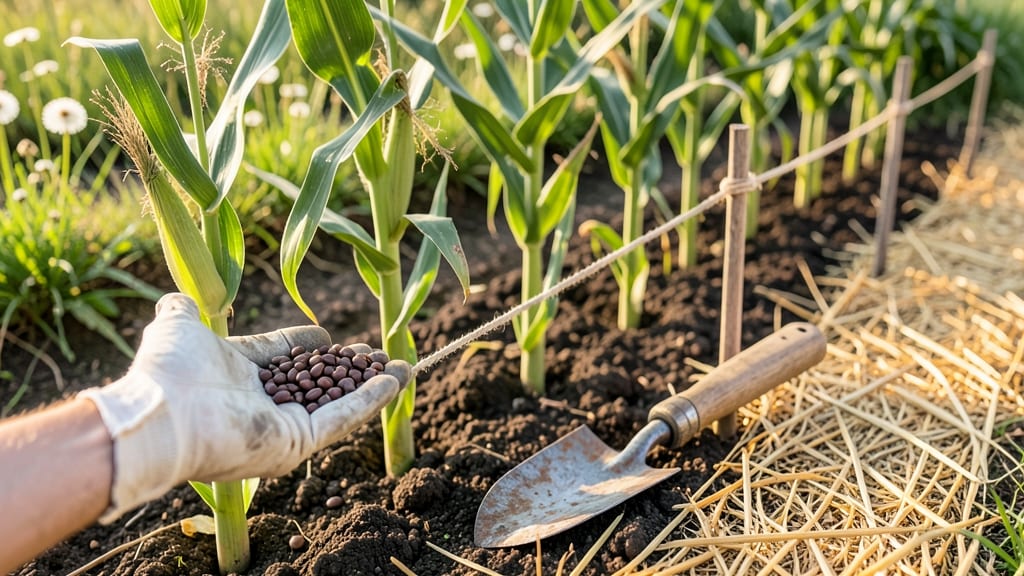
Timing your corn planting in Canada can make or break your harvest—get it wrong, and you’ll either lose seeds to frost or watch your plants struggle in the heat. With USDA zones 3a to 8b across the country, there’s no one-size-fits-all answer, but knowing your last frost date and soil temperature is the key to success with 🌽.
Whether you’re in frost-prone Alberta or milder British Columbia, planting too early risks killing tender seedlings, while waiting too long cuts your growing season short. The ideal window?
After soil warms to 60°F (15°C), typically late April to early June, but regional differences mean your neighbors might be harvesting while you’re still waiting for sprouts.
In this guide, I’ll break down exactly when to plant based on your zone, plus pro tips for extending short seasons and choosing the right varieties. No more guesswork—just a bountiful harvest waiting for you.
Ready to turn your garden into a cornfield? Let’s dive into the perfect planting schedule for your corner of Canada.
Canada’s frost-free zones and ideal corn planting dates by region
Canada’s vast climate zones mean your corn planting timeline depends entirely on where you live. From the short growing season of Zone 3a in northern Alberta to the longer seasons of Zone 8b in southern Ontario, timing is everything to avoid frost damage or missed harvests.
Corn needs at least 120 frost-free days to mature, so your planting window hinges on these two critical factors: last frost date and soil temperature. Wait until soil reaches 60°F (15°C)—cold soil delays germination, and seedlings won’t survive if nighttime temps dip below 50°F (10°C).
Below, I’ve mapped out ideal planting windows for Canada’s USDA zones, including early, mid, and late-season varieties suited to each region. Use your local last frost date (check Environment Canada’s frost maps) as your guide.
| Zone | Last Frost Date | Ideal Planting Window | Best Varieties | Frost Risk |
|---|---|---|---|---|
| 3a (Northern BC, Alberta, Manitoba) | Mid-May to early June | Late May to early June (soil must be 60°F+) | Early maturing: 'Ambassador', 'Golden Bantam' | Very high (late frosts common) |
| 4a (Saskatchewan, Ontario north) | Late April to mid-May | Early to mid-May (soil 55°F+) | Mid-season: 'Silver Queen', 'Country Gentleman' | High (late frosts possible) |
| 5a (Southern Ontario, Quebec) | Mid-April to early May | Late April to early May (soil 58°F+) | Standard: 'Peaches and Cream', 'Honey & Pearl' | Moderate (occasional late frosts) |
| 6a (Prairie provinces, Nova Scotia) | Early to mid-May | Mid-May (soil 60°F+) | Late-season: 'Pioneer Brand', 'Kandy Korn' | Low (stable by June) |
| 7a (Southern BC, Ontario, Quebec) | Mid-April to early May | Late April to early May (soil 55°F+) | Sweet corn: 'Ambrosia', 'Sweet Success' | Low (rare late frosts) |
| 8a (Vancouver Island, Southern Ontario) | Early April to mid-May | Late April (soil 50°F+) | Long-season: 'Golden Cross Bantam', 'Country Gentleman' | Very low (mild winters) |
If you’re in Zone 3a or 4a, focus on early-maturing varieties (60–75 days to harvest) to avoid frost. In Zones 5a–7a, you can experiment with mid-to-late season types (80–100 days), but always plant after your last frost date.
Southern gardeners in Zone 8a have the most flexibility—even long-season varieties (
Best corn varieties for Canadian climates and their planting timelines
Choosing the right corn variety for your Canadian garden is just as important as timing—some varieties thrive in short seasons, while others need warmth and longer days.
I’ve tested dozens of types across zones 3-8, and the best performers fall into three categories: sweet corn, dent corn, and flour corn, each with unique planting windows and maturity rates.
For short-season gardens (zones 3-5), early-maturing varieties like ‘Ambassador’ (60 days) or ‘Early Sunglow’ (65 days) are lifesavers—they bolt before frost hits. In longer seasons (zones 6-8), you can afford later varieties like ‘Pioneer’ (85 days) or ‘Golden Bantam’ (70 days), which pack more flavor and size.
Here’s how to match your variety to your region and planting schedule for a foolproof harvest:
| Variety Type | Best For Zones | Days to Maturity | Planting Window | Notes |
|---|---|---|---|---|
| Sweet Corn | 3-8 | 60-90 days | Late April–early June | Best for fresh eating; needs warm soil. |
| Dent Corn | 4-7 | 90-120 days | Early May–mid-June | Drier climates; stores well for animal feed. |
| Flour Corn | 5-8 | 100-130 days | Mid-May–late June | Needs longest season; great for hominy. |
| Early Varieties (e.g., ‘Ambassador’) | 3-5 | 60-70 days | Late April–May 15 | Cold-tolerant; ideal for northern gardens. |
| Late Varieties (e.g., ‘Pioneer’) | 6-8 | 85-100 days | May 15–June 1 | Larger ears; needs heat to mature. |
If you’re in zone 3 or 4, stick to early sweet corn like ‘Early Sunglow’—it’s your best bet for avoiding frost. In zone 6 or higher, you can experiment with succession planting by staggering varieties every 2 weeks for a continuous harvest.
Pro tip: Check seed packets for “days to maturity” and subtract your last frost date to calculate your planting window. For example, if your frost date is May 15 and your corn takes 70 days, plant by April 25 to ensure a harvest before frost.
One mistake I see often? Planting late-maturing varieties too early—they’ll bolt in the heat or rot before harvest. Always adjust for your microclimate (e.g., valleys stay cooler longer than hills).