
Plants
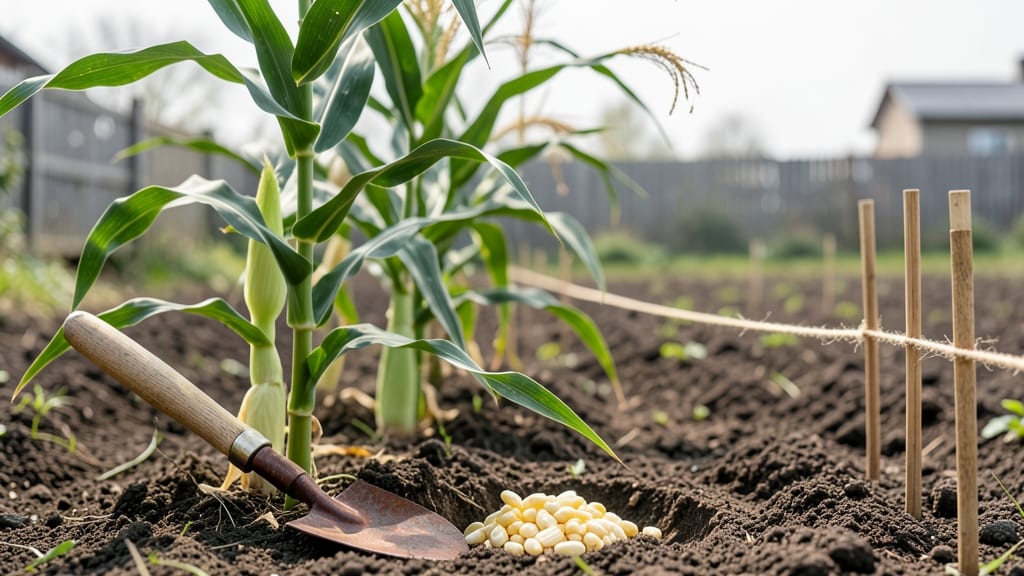
Timing your 🌽 corn planting in MN isn't just about the calendar—it's about soil temperature, frost dates, and a little local know-how. Plant too early, and chilly soil will stall germination, leaving you with patchy stands.
But get it right, and you'll enjoy sweet, juicy ears straight from your garden by late summer.
Minnesota's USDA zones 3b-5b mean your planting window varies from mid-April in southern regions to late May in the north. The key? Wait until soil reaches 60°F—that's when those seeds finally spring to life.
I'll show you exactly how to test your soil temperature and adjust your schedule for fast germination, even when Mother Nature throws a curveball.
This isn't just about planting once and hoping for the best. We'll cover succession planting strategies to stretch your harvest from July through September, plus how to pick the right varieties for your specific zone.
Whether you're growing sweet corn for dinner or popcorn for movie nights, these tricks will help you beat Minnesota's short growing season.
Ready to grow corn that thrives? Let's dive into the soil temperature secrets that'll give your 🌽 corn the jumpstart it needs—no more waiting around for hit-or-miss results. Your future harvest (and your dinner table) will thank you!
Minnesota corn planting timeline by soil temperature zones
Minnesota’s corn planting success hinges on soil temperature, not just frost dates. In USDA Zones 3b-5b, corn seeds need consistent 50°F+ soil temps to germinate, with ideal planting occurring when soil hits 60°F+ at 2-4 inches deep.
Northern MN (Zones 3b-4a) faces a 2-3 week later window than southern regions (Zones 4b-5b), where early April plantings are possible.
Southern Minnesota (e.g., Twin Cities metro) can start sweet corn as early as mid-April, while northern areas (e.g., Duluth) should wait until late May. This 100-mile temperature gradient creates a 3-week planting window across the state—critical for avoiding frost damage to young seedlings.
🌽
For field corn and popcorn, push planting dates 1-2 weeks later than sweet corn—these varieties have longer maturity times (90-110 days) and need warmer soil to establish strong roots. In Zone 3b, consider short-season hybrids like 'Golden Bantam' (65 days) to avoid frost.
Use local frost charts (MN DNR provides updated data) to fine-tune your timeline. The average last frost in Minneapolis is May 15, but northern cities like International Falls can see frost until June 5. Planting 2 weeks after these averages ensures seedlings survive.
🌡️
Pro tip: Black plastic mulch can warm soil by 5-10°F, letting you plant 1-2 weeks earlier in cooler zones. Lay mulch 1 week before planting to maximize temperature gain. Pair this with cold-hardy varieties like 'Early Sunglow' (70 days) to stretch your harvest window.
If you're in Zone 4a or colder, prioritize succession planting: sow half your seeds at the ideal time, then plant a second batch 2 weeks later. This spreads harvests from late July to early September, reducing waste from simultaneous ripening.
⏰
How to test soil temperature for corn planting success
Testing your soil temperature before planting corn in Minnesota isn't just smart—it's essential. Corn seeds need soil at 60°F or warmer to germinate properly. If you plant too early, your seeds may rot in cold, damp soil instead of sprouting.
I've learned the hard way that skipping this step often leads to patchy stands or complete failure, especially in Minnesota's USDA zones 3b-5b.
You don't need fancy equipment to check soil temperature. A simple soil thermometer (available for under $10) will give you accurate readings at the perfect depth—2-4 inches deep, where corn seeds are planted.
This is the zone where roots first establish and where temperature matters most. I always test in the morning when soil temps are at their lowest, giving me a safe buffer for daytime warmth.
🚨 Warning: Cold Snaps Can Ruin Your Planting
Minnesota's weather is famously unpredictable. If a cold snap drops soil temps below 50°F after planting, germination slows dramatically. Seeds planted in 45°F soil may take 3x longer to sprout—or not sprout at all.
Always check a 5-day forecast before planting, and have a backup plan for late varieties if early planting fails.
✅ Pro Tip: Use black plastic mulch to warm soil by 5-10°F if you're planting early.
For a DIY approach, you can use an old thermometer and a small trowel. Dig a hole to your planting depth, insert the thermometer, and wait 30 seconds for an accurate reading.
I like to test in multiple spots across my garden since soil temperature can vary by 5-10°F even in the same yard. If your soil is consistently below 50°F, wait at least 7-10 days before replanting—corn seeds won't tolerate cold soil for long.
Adjusting your planting schedule based on soil temperature is easier than you think. If your soil hits 60°F in early May, that's perfect timing for most Minnesota varieties.
But if you're in northern MN and soil stays cold until late May, opt for short-season varieties like 'Early Sunglow' (60-day maturity) instead of longer varieties that might not mature before frost. I always keep a planting calendar with soil temp notes from previous years to guide future decisions.
Once you master soil temperature testing, you'll gain confidence in your planting schedule. No more guessing games or wasted seed packets. Your corn will germinate consistently, stand strong, and produce ears that rival the grocery store—all while working with Minnesota's short growing season.
With this knowledge, you're ready to move on to extending your harvest even further with smart planting strategies.