
Plants
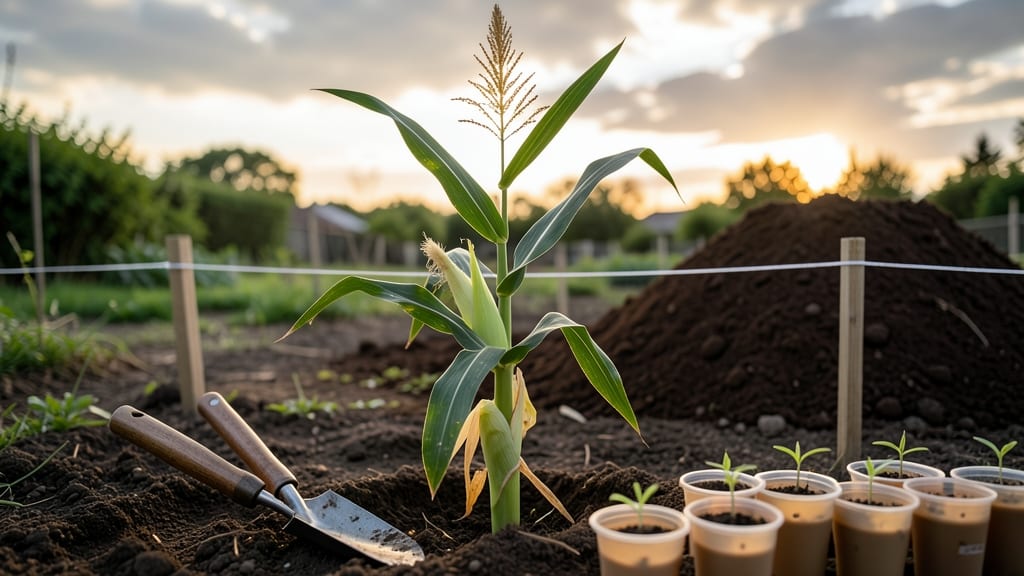
Timing your 🌽 corn planting in New York can mean the difference between a bumper crop and wasted seeds. With frost still lingering in some regions until mid-April and harvest season stretching into September, getting those kernels in the ground at the right moment is everything.
Most New York gardeners in zones 5b-7a wait until after the last frost—typically mid-April to mid-May—but soil temperature is the real game-changer. Corn won’t germinate properly until the earth warms to at least 50°F, and planting too early risks stunted growth or frost damage.
Don’t worry if you’re new to this—this guide breaks down exactly when to start seeds indoors (or direct-sow), how to test soil readiness, and which varieties thrive in your specific corner of the state. Whether you’re in the city or upstate, we’ll cover the critical deadlines you need to know.
By the end, you’ll know not just when to plant, but how to set your corn up for success—from spacing to companion planting—so you’re harvesting sweet, plump ears by summer’s end. Let’s get those seeds in the ground the right way.
New York corn planting deadlines by hardiness Zone (soil temp & frost dates)
New York’s USDA zones 5b-7a create dramatic differences in planting windows—what works in New York City (Zone 7a) may fail in Buffalo (Zone 6a). The key? Soil temperature and last frost dates, not just calendar months.
Corn seeds won’t germinate until the soil reaches 50°F, but ideal growth starts at 60°F or warmer.
Most gardeners in Upstate New York wait until mid-May to plant, while Long Island and Hudson Valley gardeners can start as early as late April. Below, we’ve broken down the critical deadlines by zone, so you can align your planting with New York’s unpredictable spring weather.
If you’re in Zone 5b, like Buffalo, don’t rush—waiting until mid-May ensures your soil is warm enough to avoid stunted seedlings. Meanwhile, Zone 7a gardeners in New York City can start as early as late March if using black plastic mulch to warm the soil faster.
Pro tip: Use a soil thermometer to confirm readiness. Corn seeds planted in 45°F soil may rot before sprouting. For a 100% success rate, aim for 60°F+ soil temperature before planting.
New York’s frost-free season averages 165 days, which is just enough for short-season varieties like ‘Early Sunglow’ (70 days) or ‘Bodacious’ (85 days). Longer-season varieties, like ‘Golden Bantam’ (90 days), need to be planted by early May in most zones to avoid frost damage before harvest.
For upstate gardeners, consider succession planting every 2 weeks after the first planting to extend your harvest into early October. This works especially well in Zone 6a, where the growing season is shorter.
One common mistake? Relying on calendar dates instead of soil conditions. A late April frost in Albany can wipe out early plantings, even if the calendar says it’s safe. Always check the Cornell Cooperative Extension frost maps for your specific area before planting.
🌱
How to time corn planting for maximum yield: soil warmth tests & spacing tips
Timing your corn planting in New York isn’t just about avoiding frost—it’s about soil warmth and plant spacing that maximize your harvest. Even if the air feels spring-like, cold soil can delay germination by weeks. The secret? Testing soil temperature and planting at the right depth for New York’s climate.
Most gardeners make the mistake of planting too early, only to watch their seeds rot in 45°F soil. Instead, wait until the soil reaches 60°F+—this ensures strong, fast germination.
For upstate New York, this usually means waiting until late May, while Long Island gardeners can start as early as mid-April if using black plastic mulch.
- 🌡️ Test soil warmth with a soil thermometer—plant only when it hits 60°F+ for 5+ days.
- 🌱 Direct-sow seeds 1 inch deep, 4-6 inches apart in rows 3 feet apart for pollination.
- 🌿 Use black plastic mulch in cooler zones (like Buffalo) to warm soil 5-10°F faster.
- 📅 Succession plant every 2 weeks after the first planting for a continuous harvest.
- 🌽 Choose short-season varieties like ‘Early Sunglow’ (70 days) for Zone 5b or ‘Bodacious’ (85 days) for Zone 7a.
For direct sowing, space seeds 1 inch deep and 4-6 inches apart in rows 3 feet apart. This spacing ensures cross-pollination and prevents overcrowding, which leads to smaller ears. If you’re short on space, try bush corn varieties like ‘Golden Bantam’, which grow in tighter clusters.
New York’s unpredictable spring weather means you can’t rely on calendar dates alone. Instead, use the finger test: Press your finger into the soil—if it feels warm enough to hold a barely moist ball of dirt, it’s ready.
For extra warmth, lay down cardboard or newspaper topped with black plastic mulch a week before planting.
One pro tip: Plant in blocks, not single rows, to improve pollination. Corn relies on wind for fertilization, and a 4x4 foot block ensures better kernel development. If you’re growing multiple varieties, space them at least 10 feet apart to avoid cross-contamination.
Finally, remember that succession planting is your best friend in New York. By adding new seeds every 2 weeks after your first planting, you’ll stretch your harvest from July to early October. This works especially well for short-season varieties in Zone 5b, where the growing window is tight.
🌾