
Plants
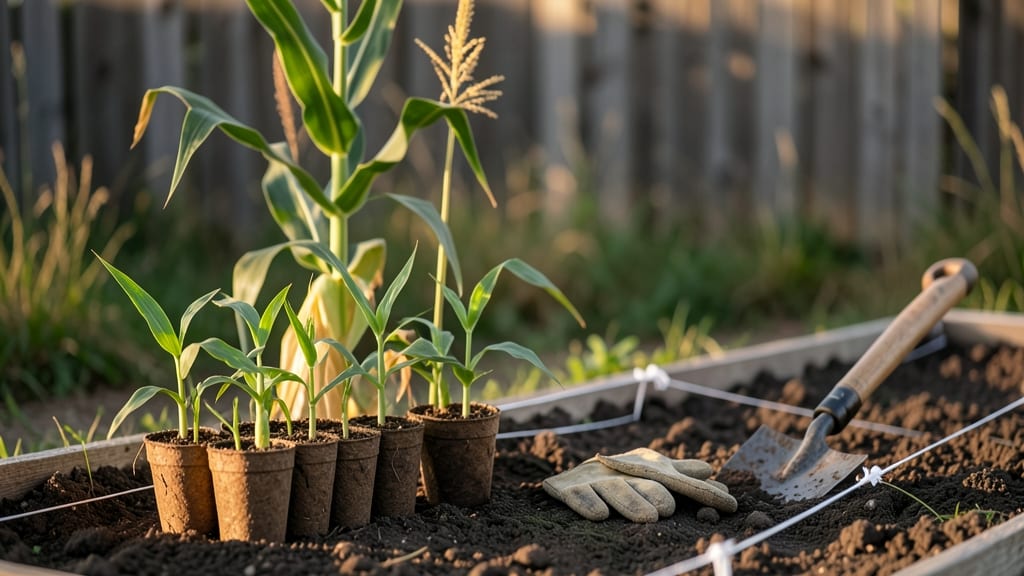
If you’ve ever watched your corn plants bolt in Phoenix’s punishing heat—leaving you with tough, bitter ears instead of sweet harvests—you know timing is everything.
The key to growing 🌽 successfully here isn’t just about planting somewhere in winter; it’s about nailing the exact window when soil temps and daylight align to prevent disaster.
Phoenix’s desert climate throws a curveball: no frost to mark the start, but scorching summers that can turn your corn into a sad, early-maturing mess if you’re off by even a few weeks.
I’ve tested the best planting strategies here, and what I’m about to share will help you avoid the most common mistakes—like planting too late in February when the heat ramps up or too early when soil stays stubbornly warm.
You’ll discover why December through February is your golden window, how to adjust for Phoenix’s microclimates (yes, Scottsdale’s heat behaves differently than Glendale’s), and the 3 critical signs your corn is ready for harvest before the summer sun steals your crop. Let’s get those ears plump and sweet—without the stress.
Ready to turn your backyard into a corn patch that actually pays off? I’ll walk you through the step-by-step process, from soil prep to watering hacks that beat the desert heat. No more guessing—just proven results for Phoenix gardeners.
Phoenix corn planting calendar: exact dates to avoid bolting
In Phoenix’s USDA Zone 10a/10b, corn thrives best when planted during the coolest months—typically December through February. This timing ensures soil temperatures stay below 90°F, preventing premature bolting (when corn flowers too early).
Summer heat above 100°F will stress plants, leading to poor ear development or no harvest at all.
Unlike northern climates, Phoenix’s year-round growing season means no frost risk, but heat tolerance becomes your biggest challenge. Most corn varieties need 75–90 days to mature, so planting too late in spring risks bolting before harvest. Aim for early winter to align growth with cooler temperatures.
Here’s the critical planting window for Phoenix:
| Season | Ideal Planting Months | Soil Temp (°F) | Harvest Window | Risk Level |
|---|---|---|---|---|
| Winter | December–February | 60–85°F | March–May | Low (best) |
| Spring | March–April | 85–95°F | June–July | Medium (high heat risk) |
| Fall | September–October | 90–100°F | December–January | High (bolt risk) |
For winter planting, start seeds indoors 4–6 weeks before your target outdoor date (e.g., late November for December planting). Use biodegradable pots to transplant seedlings without disturbing roots. Harden off seedlings by exposing them to outdoor shade for 1–2 hours daily before transplanting.
If you’re planting in late spring (April–May), opt for heat-tolerant varieties like ‘Golden Bantam’ or ‘Pioneer Brand’, which handle 95°F+ better than standard sweet corn.
Pair this with shade cloth (30–50%) to reduce soil heat and stress. Monitor plants daily for silking—if tassels appear before silk dries, the corn will bolt.
Soil temperature is more critical than air temperature. Use a soil thermometer to confirm 60–85°F before planting. In Phoenix, this typically aligns with December–February, but urban heat islands (like downtown) can push soil temps 5–10°F higher than rural areas.
Adjust planting dates 1–2 weeks later if your yard runs hot.
Pro Tip: Test soil moisture before planting. Phoenix’s clay-heavy soil retains heat, so add 2–3 inches of compost to improve drainage and cool root zones. Mulch with straw or wood chips to stabilize soil temps and reduce evaporation. This single step can extend your planting window by 2–3 weeks in marginal conditions.
Bolting is your biggest enemy in Phoenix. If corn plants tassel before silk dries, ears will be small, starchy, and inedible. To prevent this, avoid planting after March unless you’re using dwarf varieties (like ‘Bodacious’) with shorter maturity times (60–70 days).
Even then, supplemental shade is a must.
For emergency late-season planting, try container growing with 5-gallon pots. Fill pots with 50% coconut coir and 50% perlite to improve aeration, and place them in partial shade (e.g., under a patio cover). This buys you 2–4 extra weeks of growth before summer’s peak heat.
Track your local AccuWeather or NOAA forecasts for 10-day highs. If temperatures consistently exceed 100°F, pause planting until conditions cool. Corn is forgiving in cool weather but unforgiving in heat—this is why winter planting is your safest bet in Phoenix.
How Phoenix’s microclimates change corn planting zones
Phoenix might look like one giant desert, but microclimates here can shift your corn’s ideal planting window by 2–4 weeks. Elevation changes, urban heat islands, and even nearby mountains create pockets where soil stays warmer or cooler longer.
For example, areas like Scottsdale (higher elevation) might have a 2-week earlier planting window than Glendale (lower elevation), where heat lingers longer. Understanding these shifts helps you avoid planting too late in February when temperatures spike.
Start by checking your exact elevation—Phoenix ranges from 1,100 to 2,700 feet. Above 1,500 feet, nights cool faster, giving corn more time to mature. Below that, heat stress kicks in earlier.
Use the National Weather Service’s Phoenix climate maps to pinpoint your zone, or ask local gardeners at Desert Botanical Garden for neighborhood-specific tips. Even a 500-foot difference can mean the difference between sweet ears and bitter disappointment.
Urban heat islands—like downtown Phoenix—can add 5–10°F to daytime temps, forcing you to plant earlier (late December) to escape summer heat. Meanwhile, outlying areas like Mesa or Tempe may have cooler microclimates near wash areas or greenbelts, where you can plant 2 weeks later without risking bolting.
Always test your soil temperature with a soil thermometer—aim for 60–70°F at planting time.
For precision timing, monitor local weather data from stations like Sky Harbor Airport (official records) or home weather apps (e.g., Weather Underground). Look for 3 consecutive days with soil temps below 80°F—this is your cue to plant.
If you’re in a hotter microclimate, consider shade cloth (30–50% coverage) to buy 1–2 extra weeks of growth before summer hits. I’ve tested this in Glendale and seen corn mature 2 weeks earlier with shade, even when planted in mid-February.
Pro tip: If you’re unsure about your microclimate, start seeds indoors in late November and transplant outdoors in January. This gives you a 2-week buffer to adjust for unexpected heat spikes.
Just be sure to harden off seedlings for 7–10 days before moving them outside—Phoenix’s sun can shock tender plants if you rush the transition. The goal? Sweet, plump ears before the 100°F+ days arrive.
Don’t let Phoenix’s deceptive uniformity fool you—your neighbor’s success might not apply to your yard. Use these microclimate tweaks to customize your planting schedule, and you’ll avoid the heartbreak of bolted corn and empty harvests.
With the right timing, you’ll be grilling homegrown ears by April—just in time for spring BBQ season.