
Plants
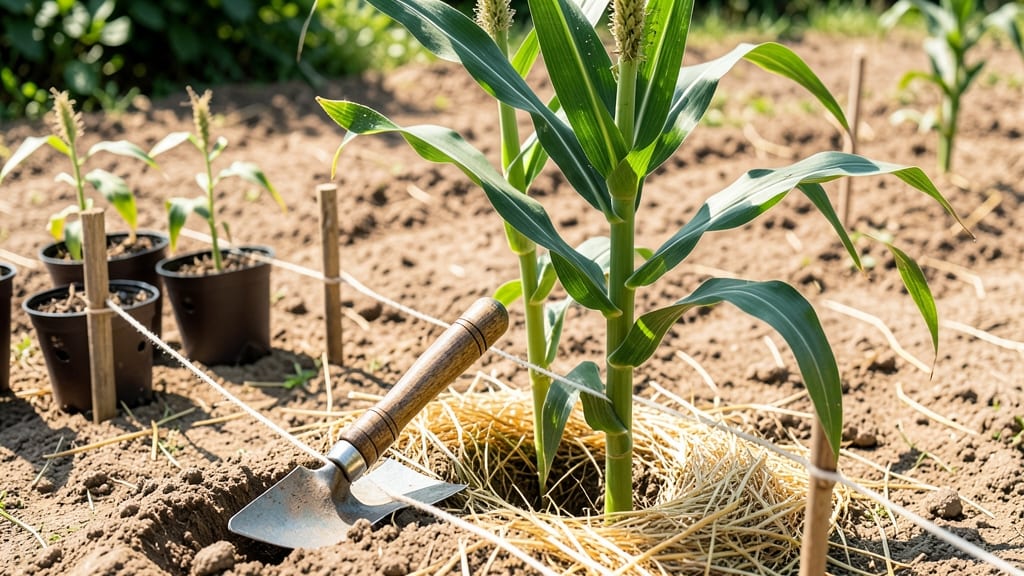
Knowing when to plant corn in Zone 9 can mean the difference between a bumper crop of golden 🌽 ears and weeks of waiting for stubborn seeds to sprout. The key isn't just checking your calendar—it's watching for that perfect soil temperature that tells your corn, "Now's your moment."
In Zone 9, where winters are mild but spring arrives with a vengeance, planting too early risks frost damage, while waiting too long might cut your harvest short.
I've learned the hard way that corn thrives when soil hits 60°F and stays there—usually around late February to early March, but timing varies by microclimate.
What you're about to discover isn't just a planting date—it's a system. We'll cover how to test soil warmth without fancy tools, the best corn varieties for Zone 9's long growing season, and how to avoid common mistakes that leave gardeners scratching their heads in July.
Ready to grow corn that germinates in days instead of weeks? Let's dive into the fast-track method that's worked for me—and could work for you too.

Zone 9 corn planting calendar: exact weeks by soil temperature
Corn thrives in Zone 9 when planted after soil temperatures consistently reach 60°F—a critical threshold for germination. Unlike cooler zones, Zone 9’s extended frost-free season (average 275 days) allows flexibility, but timing still matters to avoid summer drought stress or late-season heat damage.
For early sweet corn varieties (like 'Ambrosia' or 'Silver Queen'), aim for late February to early March when nights stay above 55°F.
Mid-season varieties (e.g., 'Peaches and Cream') can go in mid-March to early April, while late-season dent corn (like 'Black Aztec') benefits from late April planting to mature before summer heat peaks.
Here’s your Zone 9 corn planting timeline based on soil warmth and variety maturity (measured in days to harvest):
| Planting Window | Soil Temp (°F) | Variety Type | Days to Harvest | Zone 9 Ideal Month |
|---|---|---|---|---|
| Late February | 60–65°F | Early Sweet | 60–70 days | February–March |
| Early March | 65–70°F | Mid-Season | 70–90 days | March–April |
| Mid-April | 70–75°F | Late/Dent Corn | 90–120 days | April–May |
| Late April (succession) | 75°F+ | Popcorn/Specialty | 100–120 days | May |
🌽 Pro Tip: Succession plant every 2 weeks for continuous harvests!
Zone 9’s microclimates can shift planting dates by 2–4 weeks. Coastal areas (e.g., Southern California) may start as early as January, while inland desert regions (e.g., Phoenix) should wait until mid-March to avoid extreme heat stress during pollination.
Use a soil thermometer to confirm readiness—corn seeds won’t germinate below 50°F, and slow starts invite pests like cutworms. For fastest germination, wait until soil hits 65°F+, even if air temps are warmer.
If you’re planting heirloom or slow-maturing varieties (e.g., 'Country Gentleman'), extend your timeline to late April to ensure ears develop before summer’s 100°F+ heat reduces kernel quality. Always check your variety’s days-to-maturity label and count backward from your first expected frost (usually mid-December in Zone 9).
For container growing, use black pots to absorb heat and plant 1–2 weeks earlier than in-ground corn. Just ensure pots are at least 12 inches deep and 18 inches wide to accommodate roots.
Remember: Corn is wind-pollinated, so plant in blocks (not rows) of at least 4x4 feet to ensure cross-pollination. In Zone 9, afternoon breezes help, but stillness during tasseling (when pollen sheds) is ideal for maximum yield.
🌱
How to test soil warmth for corn germination (without a thermometer)
Testing soil warmth without a fancy thermometer is easier than you think—and it's the secret to fast corn germination in Zone 9. I've relied on these simple tricks for years, and they've saved me from waiting weeks for seeds to sprout.
The key is understanding that corn needs soil at 60°F or warmer to germinate within 7-10 days.
First, let's tackle the most reliable DIY soil temperature tests that work perfectly in Zone 9's unpredictable spring weather. These methods don't require any special tools—just what you already have in your garden shed or kitchen.
Start with the paper towel test, which is surprisingly accurate. Simply place a damp paper towel in your garden bed, cover it with plastic wrap, and check it every morning.
When the towel feels warm to the touch (like a cozy bath towel), your soil is likely ready for planting.
Next, try the hand-sink test. Dig a small hole about 2 inches deep—this is where corn seeds will sit—and place your hand in it. If you can comfortably keep it there for 5-10 seconds without feeling cold, your soil is warm enough.
This works best in the late afternoon when soil has absorbed daytime heat.
Step-by-Step Soil Warmth Test Guide
- Morning Check: Use your finger to press into soil 2" deep. If it feels cool, wait another day.
- Afternoon Test: Insert a thermometer (or use the hand test) at 2" depth—60°F+ means go!
- Evening Confirm: Check again at dusk. Soil should stay warm overnight for best results.
- Plant Immediately: Corn seeds germinate fastest when planted into warm soil—don't delay!
For gardeners who love visual cues, plant marigolds or nasturtiums as early as January. These heat-loving plants will sprout quickly when soil warms up, signaling it's time to plant your corn. I always keep a small patch of marigolds near my corn patch—they're like little thermometers with flowers!
Remember, Zone 9's microclimates can vary dramatically. If you're in a coastal area, soil may warm more slowly due to ocean breezes, while inland spots can hit optimal temperatures weeks earlier. Always test in your actual planting location for the most accurate results.
Once you've confirmed your soil is warm enough, plant your corn seeds 1 inch deep and cover with a thin layer of mulch to retain that precious warmth. With these simple tests, you'll know exactly when to plant for maximum germination success—no guesswork required!