
Plants
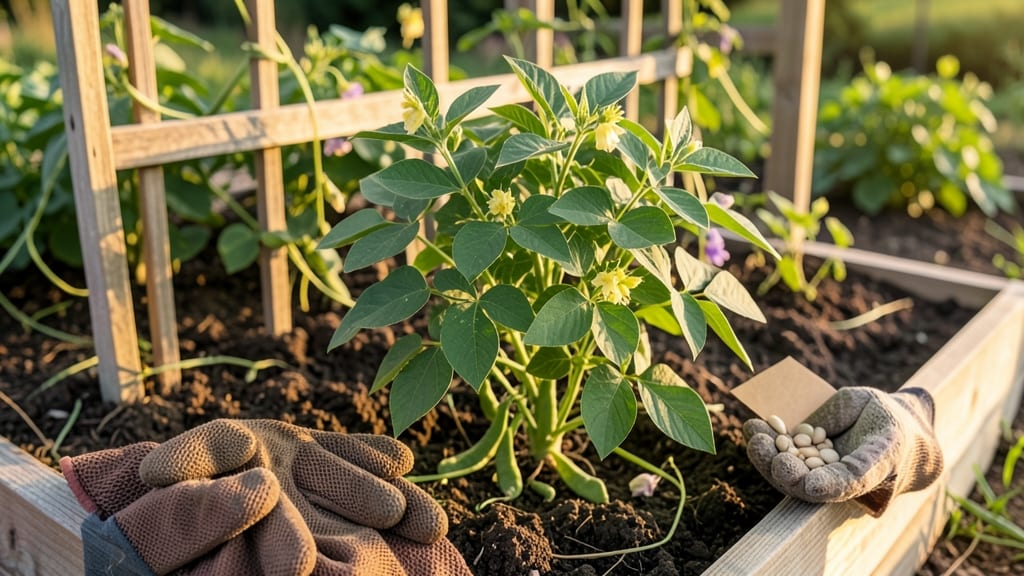
If you're wondering when to plant cowpeas in Oklahoma, timing is the key to unlocking their full potential—especially in zones 6b-7a where heat and humidity can either make or break your harvest.
These heat-loving plants 🌱 actually prefer the scorching Oklahoma summers, but planting too early or late means stunted growth or missed yields.
Most gardeners in Oklahoma get the best results by planting cowpeas between March 15 and May 15 for spring harvests, or again from September 1 to October 15 for fall crops.
This window ensures soil temperatures hit that sweet spot of 60°F+—perfect for fast germination and vigorous growth before extreme heat sets in.
Here's the secret: cowpeas thrive when planted 2 weeks after your last frost date, giving them time to establish roots before the real heat arrives.
Whether you're a first-time gardener or a seasoned pro, these timing tips will help you avoid common pitfalls like drought stress or poor pod development.
Ready to grow? Let's dive into the exact planting schedule, soil prep tricks, and variety choices that work best in Oklahoma's unique climate. Your next successful cowpea harvest starts with getting the timing right.
Best planting months for cowpeas in Oklahoma’s heat zones
Oklahoma’s climate—with its hot summers and variable frost dates—creates two prime windows for planting cowpeas. The key is timing germination with soil temperatures above 60°F and avoiding late-season heat stress.
Let’s break down the best months for each region, from northern Oklahoma’s cooler zones to southern Oklahoma’s extended heat.
For spring planting, aim for mid-April to early May in most of Oklahoma. This gives cowpeas enough time to mature before summer’s peak heat. In USDA Zone 6b (northern Oklahoma), wait until after the last frost date (March 15) but before May 15 to avoid early-season pests.
Southern Oklahoma (Zones 7a-8a) can start as early as late March if soil warms quickly.
Fall planting is equally critical. In northern Oklahoma, sow seeds by early September for a harvest before the first frost (mid-November). Southern regions can extend planting until mid-October, leveraging their longer frost-free season.
The goal? Cowpeas need 60-80 days to mature, so align planting with your local frost dates.
Here’s how Oklahoma’s two main regions differ:
| Region | USDA Zone | Spring Planting Window | Fall Planting Window | Key Risk |
|---|---|---|---|---|
| Northern Oklahoma | 6b | Mid-April to early May | Early September | Late frost or drought |
| Southern Oklahoma | 7a-8a | Late March to early May | Mid-September to mid-October | Heat stress or pests |
Planting too early in spring risks cold soil, which delays germination. Too late, and cowpeas bolt or struggle in 100°F+ heat.
For example, in Tulsa (Zone 7a), I’ve found that planting in early April yields better results than waiting until May, as the soil warms faster in urban areas.
Fall planting requires similar precision. In Oklahoma City (Zone 7b), I’ve had success with September 15 plantings, but anything after October 1 risks immature pods before frost. Southern Oklahoma gardeners can push the envelope with mid-October plantings, but monitor weather forecasts closely.
Pro tip: Use a soil thermometer to confirm temperatures. Cowpeas germinate best in 70-90°F soil. If your soil is cooler, wait a week or two—rushing leads to poor emergence and thin stands. Patience here pays off with healthier plants and higher yields.
For container growers, align planting with potted soil warmth. Containers heat up faster than ground soil, so plant 1-2 weeks earlier than in-ground cowpeas. Just ensure pots have drainage holes to prevent root rot in Oklahoma’s summer downpours.
Finally, consider succession planting every 2 weeks in spring and fall. This extends your harvest window and maximizes garden space.
For example, plant a first batch in April, a second in late April, and a third in early May—each will mature at different times, giving you pods from June through August.
Best planting months for cowpeas in Oklahoma’s heat zones
Oklahoma’s climate varies dramatically from north to south, so your cowpea planting window depends on your specific USDA Zone (6b-7a). In northern Oklahoma (Zone 6b), aim for April 15 to May 15—this gives seeds time to germinate before summer’s brutal heat peaks.
Southern Oklahoma (Zone 7a) gardeners can start as early as March 20 and extend planting through June 1, thanks to warmer soil temperatures.
The key is soil temperature: cowpeas need at least 60°F to germinate well. Use a soil thermometer to check—if it’s cooler, wait.
For a fall harvest, plant between August 15 and September 15 in both zones, allowing pods to mature before the first frost (November 15 in most areas).
Here’s the catch: planting too early (before April 1) risks frost damage, while starting too late (after June 1) can lead to poor pod development in Oklahoma’s intense summer heat. The ideal window balances these risks for maximum yield.
| Zone & Location | Best Planting Window | Soil Temp Requirement | Key Risk |
|---|---|---|---|
| Northern OK (Zone 6b) | April 15–May 15 | ≥60°F | Late frost damage |
| Southern OK (Zone 7a) | March 20–June 1 | ≥60°F | Summer drought stress |
| Both Zones (Fall) | August 15–September 15 | ≥65°F | Early frost |
Adjust dates 1–2 weeks earlier for container gardening in cooler microclimates.
For container gardening, you can plant 2 weeks earlier than ground planting since pots warm up faster. Just ensure containers have drainage holes to prevent root rot—a common issue in Oklahoma’s heavy clay soils.
If you’re in a high-desert area (like western OK), extend your fall planting to October 1 to squeeze in an extra harvest before frost.
Pro tip: Mulch heavily after planting to retain soil moisture during Oklahoma’s dry spells. Cowpeas are drought-tolerant once established, but young seedlings need consistent moisture to avoid stunted growth. Aim for 1 inch of water per week during germination.
Timing isn’t just about months—it’s about microclimates. If your garden sits in a low-lying area, it may stay cooler longer, while south-facing beds warm up faster. Use these clues to fine-tune your schedule: weed seeds sprouting? Your soil’s ready. Morning frost still lingering? Wait a week.