
Plants
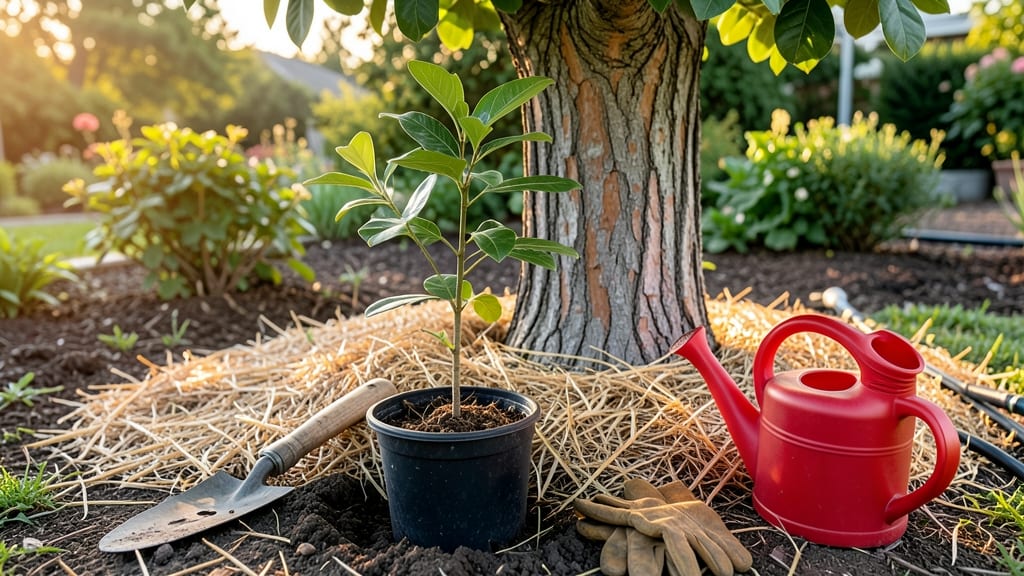
If you’ve ever planted a 🌸 crepe myrtle in North Carolina only to watch it struggle through frost or wilt in summer heat, you know timing is everything.
The difference between a thriving tree and a sad, stunted shrub often comes down to when you put it in the ground—and NC’s shifting frost zones make it tricky.
Most gardeners assume spring is the only window, but fall planting can actually give your crepe myrtle a head start on root growth before winter.
We’ll break down the exact frost-free windows for zones 7a-8b, including how coastal areas differ from Piedmont regions, so you can avoid the most common planting mistakes.
Ready to skip the guesswork? You’ll learn the ideal months for both spring and fall planting, how to prep your soil for heat resistance, and why container planting might be your best bet in certain areas. Let’s get your crepe myrtle off to the right start.
Whether you’re a first-time gardener or a seasoned pro, these insights will help you plant with confidence—so you can enjoy those stunning blooms all summer long without the stress.
Best planting windows for crepe myrtle in NC’s frost zones (5-8)
North Carolina’s diverse climate—from the cooler Mountains (Zone 5-6) to the humid Coastal Plain (Zone 8)—means crepe myrtle planting timing varies wildly. In Zone 5a, wait until after May 15 to avoid frost, while Zone 8b gardeners can plant as early as late February.
The key is aligning with your last average frost date, which NC’s State Climate Office tracks annually.
For most of NC, the optimal planting window spans late March through May or September to October.
Spring planting gives roots time to establish before summer heat, while fall planting (6-8 weeks before first frost) reduces transplant shock. Container-grown crepe myrtles offer flexibility—you can plant them slightly earlier in spring or later in fall compared to bare-root trees.
Here’s how NC’s frost zones break down for crepe myrtle success:
Pro tip: Use a soil thermometer to confirm ground temps are above 60°F (15°C) before planting. Crepe myrtles hate cold soil, which slows root growth.
In Zone 5, I’ve seen gardeners wrap young trees with burlap for the first winter to protect against 20°F (-7°C) dips—worth the effort for long-term survival.
If you’re in Zone 7 or warmer, don’t wait until May—plant in late February or early March to give roots a head start. The Coastal Plain benefits from early planting because crepe myrtles thrive on heat, and summer’s intensity hits hard by June.
Just avoid planting when soil is waterlogged, which is common after NC’s spring rains.
For container planting, the rules relax slightly. Potted crepe myrtles can handle 1-2 weeks earlier in spring or 2 weeks later in fall because their roots warm faster. However, move containers to ground level during winter in Zone 5-6 to protect roots from freezing.
Watch for local microclimates: A south-facing slope in Zone 6 may warm up faster than a north-facing yard, letting you plant 2-3 weeks earlier. Use a frost clock or your local Cooperative Extension office for precise data—don’t guess!
Finally, fall planting in NC is underrated. Planting in September or early October lets roots establish before winter, and the tree enters dormancy with a strong foundation. Just stop watering by November 1 to avoid encouraging late-season growth that frost can damage.
Timing isn’t just about frost—it’s about giving your crepe myrtle the perfect start to handle NC’s 90°F+ summers and freezing nights. Get it right, and you’ll have a blooming powerhouse for decades. 🌸
Best planting windows for crepe myrtle in NC’s frost zones (5-8)
North Carolina’s diverse frost zones (ranging from 5a-8b) mean your crepe myrtle’s planting window depends heavily on where you live. In Zone 5a (western NC mountains), you’ll need to wait until late May to avoid frost, while coastal Zone 8b gardeners can plant as early as mid-March.
The key is planting after your last frost date—typically between March 15 and April 15 for most of the state.
For fall planting, aim for September-October to give roots time to establish before winter. This method works especially well in Zones 6-8, where winters are milder. Just avoid planting too late—crepe myrtles need 6-8 weeks of root growth before dormancy sets in.
Here’s how NC’s regions break down for optimal planting:
Container planting offers flexibility in Zone 5-6 areas. You can start crepe myrtles indoors 6-8 weeks before your last frost date, then transplant after May 1. Just ensure your containers have drainage holes and use well-draining potting mix to prevent root rot.
Pro tip: Use a soil thermometer to confirm soil temps are above 60°F before planting—this ensures roots establish quickly. In Zone 8b, you can even plant as late as June, but expect slower initial growth due to summer heat.
Remember, crepe myrtles hate wet feet. If your area gets heavy rains, choose a slightly elevated planting spot or amend clay soil with compost and sand for better drainage.