
Plants
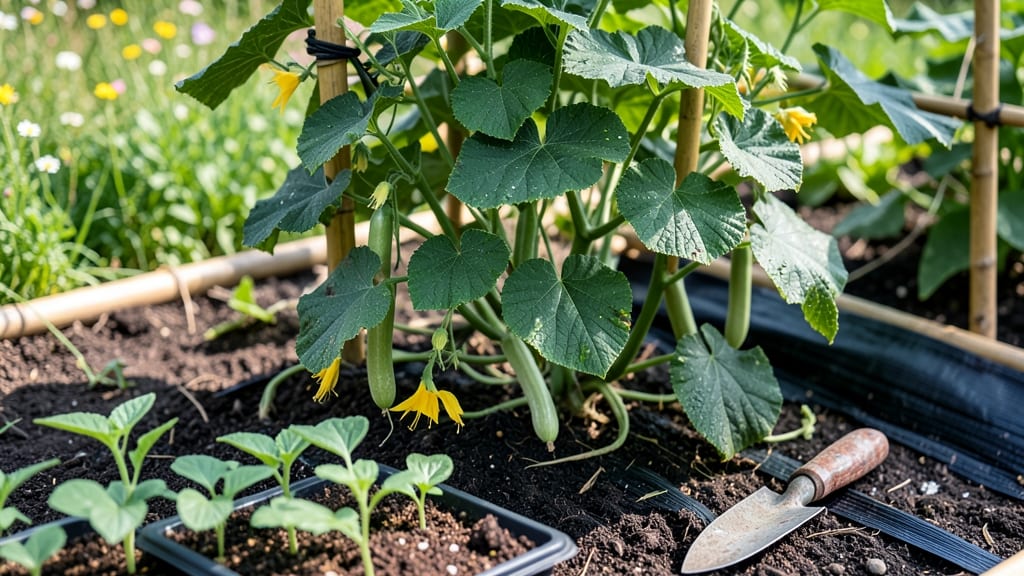
Planting cucumbers at the wrong time in Pennsylvania could mean watching your seeds rot in cold soil or your plants wilt before they even bear fruit.
Timing is everything when it comes to growing these heat-loving 🥒 plants in zones 5b-7a, where a late frost or chilly nights can derail your harvest before it starts.
Most gardeners in the Keystone State know the struggle: you wait too long, and summer slips away before your cucumbers mature. But get the timing right, and you could be feasting on crisp, homegrown 🥒 from July through September—or even extending your harvest into fall with the right strategies.
In this guide, I’ll break down the exact window for planting—when soil temperatures hit that critical 60°F threshold and how to work around Pennsylvania’s unpredictable frost dates. You’ll also discover how to stretch your growing season with simple tricks that work even in cooler zones.
Whether you’re a first-time gardener or a seasoned pro, these insights will help you avoid common mistakes and maximize your cucumber yield. Let’s get those seeds in the ground at the perfect moment!
Pennsylvania cucumber planting dates by hardiness Zone & soil temperature
Pennsylvania’s diverse climate—spanning USDA zones 5b-7a—means your cucumber planting window varies dramatically from the Poconos to Philadelphia. In cooler northern zones (5b-6a), you’ll need to wait until mid-May for safe soil temperatures, while southern areas (7a) can start as early as late April.
The key metric isn’t just frost dates—it’s soil warmth.
Cucumber seeds won’t germinate until the soil hits 60°F. In Pennsylvania, this typically occurs 2-4 weeks after the last average frost date. For example, in State College (Zone 6a), soil reaches 60°F around May 10th, while in Allentown (Zone 6b), it’s closer to April 25th.
Using a soil thermometer is the only way to be certain.
Here’s when to plant based on your zone and local frost averages:
| Zone | Last Frost Date | Safe Planting Window | Soil Temp Check | Harvest Window |
|---|---|---|---|---|
| 5b (Poconos, NE PA) | May 10 | May 15–June 1 | 60°F+ (late May) | July 15–Sept 1 |
| 6a (State College, Harrisburg) | April 25 | May 1–May 15 | 60°F+ (early May) | June 20–Aug 30 |
| 6b (Lancaster, Reading) | April 15 | April 25–May 10 | 60°F+ (late April) | June 10–Sept 15 |
| 7a (Philadelphia, Pittsburgh) | April 1 | April 15–April 30 | 60°F+ (early April) | May 20–Oct 1 |
Pro tip: If your soil is still cold, use black plastic mulch to raise temperatures by 5-10°F in just days. This trick lets you plant 2-3 weeks earlier in marginal zones like Erie or Scranton. Just lay the mulch 1-2 weeks before planting and cut slits for seeds.
For a fall harvest, plant slicing cucumbers (like ‘Straight Eight’) in late July—they mature faster than pickling varieties and can produce before the first frost. In Zone 6a, aim for August 1st planting to harvest by September 30th.
One common mistake? Relying on air temperature instead of soil temp. A 70°F day might feel warm, but if your soil is still 55°F, your seeds will rot. Always check with a thermometer 1 inch deep in the morning.
If you’re in Zone 5b and worried about short seasons, opt for bush varieties like ‘Bush Champion’—they mature in 50 days and stay compact (3 ft tall), making them ideal for containers or small gardens. Pair them with a cold frame for a 3-week head start.
Remember: Pennsylvania’s unpredictable spring means flexibility. If frost threatens after planting, cover seedlings with frost cloth until temperatures stabilize. And always keep an eye on your local microclimate—urban areas like Philadelphia can be 5°F warmer than rural zones just 20 miles away.
Pennsylvania cucumber planting dates by hardiness Zone & soil temperature
Pennsylvania’s USDA zones 5b-7a create a unique challenge for cucumber growers—cool springs in the north and variable frost dates across the state demand precise timing. The key to success?
Planting when your soil hits 60°F and after the last frost date, which typically falls between mid-April and late May depending on your region.
For example, gardeners in Pittsburgh (Zone 6a) should wait until mid-May, while those in Philadelphia (Zone 7a) can start as early as late April. In cooler northern zones like Erie (Zone 6b), a black plastic mulch can warm soil faster and shave off critical days.
🌱 Pro Tip: Use a soil thermometer to confirm warmth—cucumbers won’t germinate below 55°F, and slow starts leave them vulnerable to pests and diseases.
🥒 Pennsylvania Cucumber Planting Guide by Zone
| Zone | Last Frost Date | Optimal Planting Window | Soil Temp Requirement | Fall Planting Option |
|---|---|---|---|---|
| 5b (Northeast PA) | May 15 | Late May - Early June | 60°F+ (use mulch) | Late July (short-season varieties) |
| 6a (Pittsburgh) | May 1 | Mid-May - Late May | 60°F+ (test daily) | Early August (row covers) |
| 7a (Philadelphia) | April 15 | Late April - Mid-May | 60°F+ (earlier with mulch) | Mid-July (extended season) |
📅 Note: Adjust dates 1-2 weeks earlier for southern PA or later for mountain regions.
Direct-sowing cucumbers is the gold standard in Pennsylvania—transplants struggle with root shock in our variable climate. Start seeds indoors 3-4 weeks before your last frost date if you’re impatient, but harden them off carefully before transferring to the garden.
🌿 Zone-Specific Tip: In Zone 5b, opt for bush varieties like 'Bush Champion' (55-day harvest) to avoid late-summer heat stress. In Zone 7a, vining types like 'Straight Eight' thrive with trellis support to maximize space.
Timing your planting isn’t just about dates—it’s about soil readiness. Cold, wet soil invites damping-off disease, while dry soil stunts germination. Amend your beds with compost and sand for drainage, and consider raised beds in areas with clay-heavy soil common in central PA.