
Plants
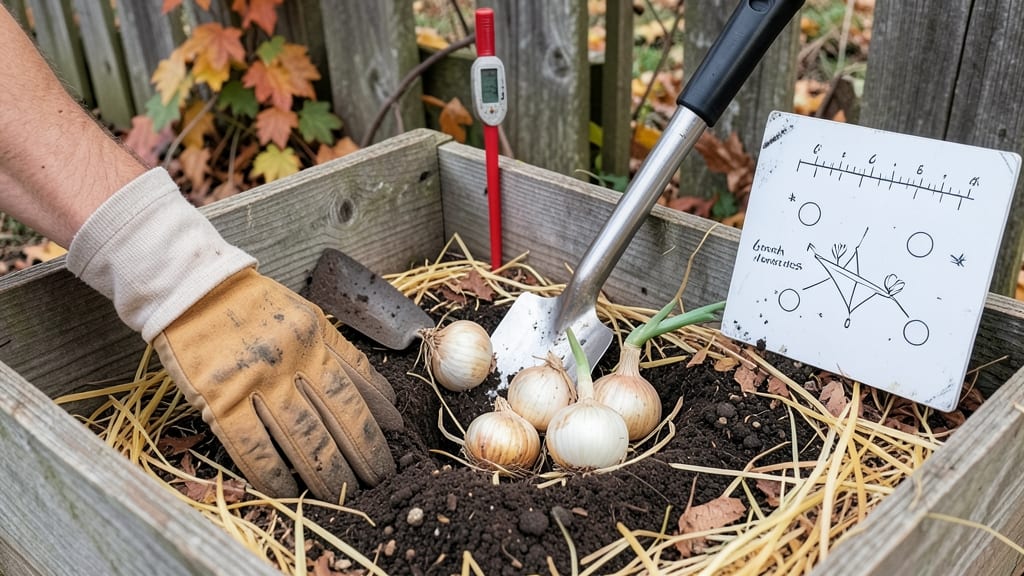
If you’ve ever wondered when to plant daffodil bulbs in Michigan, timing isn’t just about avoiding frost—it’s about giving your 🌼 the perfect chill hours to thrive. Michigan’s unpredictable fall weather means planting too early can rot bulbs, while waiting too late risks weak blooms next spring.
Most Michigan gardeners in zones 5b-6b aim for October to November, but the exact window depends on soil temperature and frost forecasts. Planting 6 weeks before the ground freezes (usually mid-October) balances dormancy needs with winter survival.
This guide breaks down the science behind Michigan’s chill hour requirements and how to adjust for early or late planting. You’ll learn how to prep soil, protect bulbs from voles, and even pick the hardiest daffodil varieties for your zone.
Skip the guesswork—let’s get your garden ready for vibrant spring blooms with confidence.
Michigan daffodil planting deadlines by USDA Zone (chill hours & frost dates)
Michigan’s USDA Zones 4–6 create unique challenges for daffodil bulb planting, where chill hours (300–900 hours below 45°F) and frost dates dictate success. Most gardeners target October to November, but your exact window depends on whether you’re in Northern Michigan (Zone 4) or Southern Michigan (Zone 6).
The golden rule? Plant 6 weeks before the ground freezes—typically by mid-October in most areas. This ensures bulbs establish roots before winter dormancy begins. For example, in Detroit (Zone 6b), you might plant until early November, while in Traverse City (Zone 5b), aim for mid-October.
Daffodils need 4–6 weeks of root growth before winter. If planted too late, they’ll struggle to bloom next spring. Conversely, planting too early (like late August) risks rot from warm, wet soil—a common issue in Michigan’s humid falls.
| USDA Zone | Chill Hours Needed | Ideal Planting Window | Frost-Free Deadline |
|---|---|---|---|
| Zone 4 (Northern MI) | 900+ hours | Mid-September to early October | Late October |
| Zone 5b (Central MI) | 700–900 hours | Late September to mid-October | Mid-October |
| Zone 6b (Southern MI) | 300–500 hours | October to early November | Early November |
🌡️ Pro Tip: Check soil temperature—plant when it’s 50–60°F (ideal for root growth).
Michigan’s first frost typically arrives between October 15 and November 1, but this varies yearly. Use the National Weather Service’s frost forecast to adjust your timeline. For example, if frost is predicted 2 weeks earlier than usual, plant bulbs 2 weeks earlier to compensate.
Another critical factor is bulb dormancy. Daffodils need 6–8 weeks of cool soil (below 60°F) to break dormancy. Planting in September might work in Zone 6b, but in Zone 4, wait until October to avoid premature sprouting.
For late bloomers, like ‘Ice Follies’ or ‘Thalia’, plant slightly later (early November) in Zone 6b. These varieties tolerate shorter chill periods better than traditional daffodils. Always check the variety’s chill hour requirements on the bulb packaging.
If you’re unsure about your zone, use the USDA Plant Hardiness Zone Map or ask your local Michigan State University Extension office. They provide hyper-local frost data and can help you fine-tune your planting schedule.
Remember: Well-drained soil is non-negotiable in Michigan. Heavy clay soils can suffocate bulbs, so amend with compost or sand if needed. Plant bulbs 6 inches deep and 6 inches apart for optimal airflow and bloom performance.
Next up: Learn how to adjust your planting timeline if Michigan’s weather throws you a curveball—like an early frost or unseasonably warm fall. We’ll cover the risks of early vs. late planting and how to protect your bulbs.
How to adjust planting time for Michigan’s unpredictable weather (early vs. late risks)
Michigan’s fall weather throws curveballs—one week might feel like Indian summer, while the next brings early frost. Adjusting your daffodil planting window means balancing soil temperature (ideal: 60°F) and frost forecasts.
Plant too early, and bulbs rot in soggy soil; too late, and they won’t establish roots before winter. The 6-week rule before ground freeze is your best bet, but let’s break down the trade-offs.
Early planting (late September) gives bulbs time to root but risks rot in wet soil. Late planting (mid-November) minimizes rot but may leave bulbs vulnerable to freeze-thaw cycles.
Most Michigan gardeners land in October—a sweet spot where soil is cool but not frozen, and bulbs get 300–900 chill hours for robust blooms.
- ✅ Roots establish before frost
- ✅ Better survival in dry falls
- ✅ Stronger blooms next spring
- ✅ Avoids soggy soil rot
- ✅ Fewer vole/pest risks
- ✅ Works for late frosts
- ⚠️ Bulbs rot in wet soil
- ⚠️ Pests (voles/squirrels) dig sooner
- ⚠️ Overwatering stress
- ⚠️ Weak root growth
- ⚠️ Frost damage to tops
- ⚠️ Smaller blooms next year
To decide, check your local frost forecast (NOAA’s Michigan Ag Climate site is gold). If your area averages first frost by October 15, plant by mid-September.
For later frosts (e.g., USDA Zone 6b), wait until early November. Pro tip: Use a soil thermometer—plant when temps hover around 50–60°F.
For extra insurance, plant test bulbs in containers first. If they sprout by winter, your garden bed timing is safe. If not, hold off another week. Remember: Daffodils hate soggy soil—amend clay with compost or sand to improve drainage, especially in Southern Michigan’s wetter zones.
Finally, mulch after planting (2–3 inches of straw) to insulate bulbs from temperature swings. This is non-negotiable in Northern Michigan, where freeze-thaw cycles can heave bulbs out of the ground. A little extra effort now means bold spring blooms you’ll thank yourself for.
🌱