
Plants
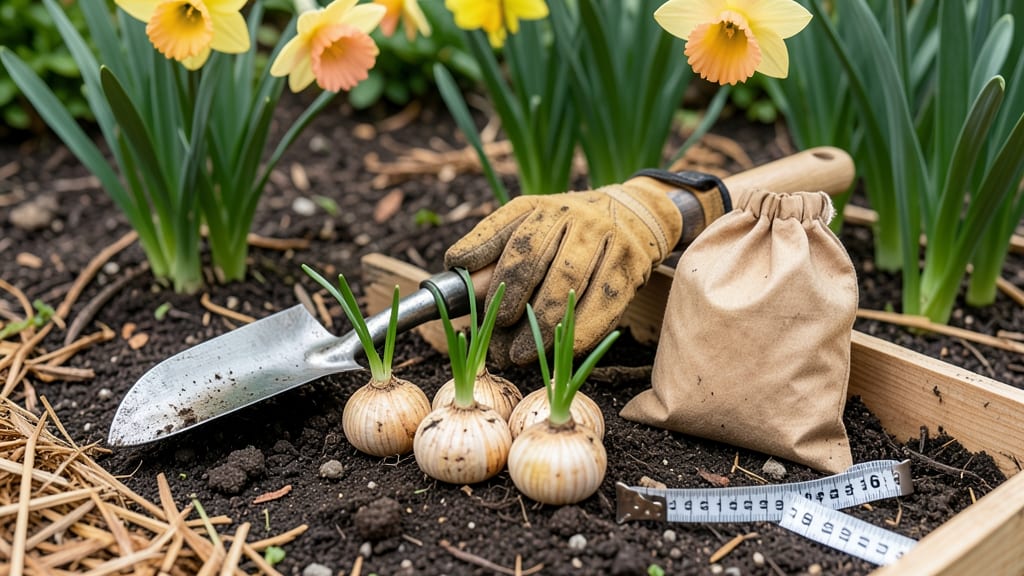
Timing your daffodil planting in Oklahoma can make all the difference between a stunning spring display and wasted effort. The 6b-7a zones demand precision—planting too early risks rot, while waiting too long means bulbs won’t root before winter’s chill.
Fall is your golden window, but when exactly should you dig in?
Most gardeners in Oklahoma swear by October to November as the sweet spot, when soil temps dip but haven’t frozen solid. This gives your 🌼 daffodils the 6-8 weeks they need to establish roots before winter sets in.
But with Oklahoma’s unpredictable weather, knowing the exact dates for your specific zone is key.
Let’s break down the ideal planting schedule, including how to adjust for late freezes or early warm spells. You’ll also discover the best soil prep and post-planting care to ensure your daffodils thrive in Oklahoma’s climate. Ready to set your garden up for a burst of color next spring?
Whether you’re a seasoned gardener or just starting, these insights will help you time your planting perfectly. By the end, you’ll know exactly when to plant for the most vibrant, long-lasting blooms in your Oklahoma yard.
Optimal planting windows for daffodils in Oklahoma zones 6b-7a
In Oklahoma’s 6b-7a zones, timing your daffodil planting is everything. The ideal window is 6-8 weeks before the ground freezes, which typically lands between mid-October and early November. This gives bulbs time to root before winter’s chill sets in.
For northern Oklahoma (Zone 6b), aim for late October, while southern areas (Zone 7a) can extend planting until early November.
Daffodils planted in fall establish stronger roots before winter, leading to more robust blooms next spring. Spring planting is possible but less reliable—bulbs may not have enough time to root before Oklahoma’s summer heat arrives.
If you miss fall, wait until late winter (February) for spring planting, but expect smaller blooms the first year.
Oklahoma’s first frost date averages around November 15, but this can vary by 1-2 weeks depending on the year. Always check your local USDA frost calendar or plant when soil temps drop to 50-60°F at a 4-inch depth. This ensures bulbs won’t rot before they root.
Soil temperature is your best guide. Use a soil thermometer to confirm temps are consistently below 60°F before planting. In Oklahoma, this usually happens by mid-October, but early warm spells can delay it. If your soil stays warm too long, hold off until conditions are right.
| Zone | Ideal Planting Month | Soil Temp Goal | Key Consideration |
|---|---|---|---|
| 6b (Northern OK) | Late October | 50-60°F | Earlier frost risk; plant sooner |
| 7a (Southern OK) | Early November | 50-60°F | Warmer soils; extend window |
| Both Zones | Backup: December | Frozen ground | Plant as soon as soil is workable |
For gardeners in Zone 6b, don’t wait past November 1—colder temps and earlier freezes can stunt root growth. In Zone 7a, you have a slightly longer window, but avoid planting after November 15 unless you’re in a microclimate with delayed frost.
Always plant bulbs 6 inches deep and 6 inches apart for optimal spacing and drainage.
Oklahoma’s microclimates can shift planting windows by weeks. If you’re in a valley or low-lying area, frost may arrive earlier, while higher elevations (like the Ozark Mountains) can delay frost by 10-14 days. Adjust your timing accordingly—when in doubt, plant earlier rather than later.
Pro tip: Chill your bulbs if you’re planting early. Store them in the fridge for 4-6 weeks before planting to mimic winter conditions. This trick helps bulbs root faster, especially if your October soil is still warm.
Just don’t let them freeze—keep them in a cool, dark place until ready to plant.
Once planted, mulch with 2-3 inches of straw or leaves to insulate bulbs from temperature swings. This is especially critical in Oklahoma’s unpredictable winters, where sudden cold snaps can stress young roots. Remove mulch in early spring to allow shoots to emerge.
Spring planting is an option if you miss fall, but expect smaller blooms the first year. Plant in February when soil temps rise above 50°F, and keep bulbs consistently moist until roots establish.
For best results, though, stick to fall planting—it’s the surest way to guarantee vibrant daffodils next spring.
Remember, Oklahoma’s climate variability means no two years are alike. Always monitor your local weather forecasts and adjust your planting timeline as needed. With the right timing, your daffodils will reward you with months of cheerful blooms come spring. 🌼
How to adjust planting timing for Oklahoma’s unpredictable weather
Oklahoma’s weather is famously fickle—one day warm enough for shorts, the next with a sudden frost warning. If you’ve ever planted daffodils only to see them freeze before roots set, you know how critical flexibility is.
The key is understanding how to adjust your timeline based on real-time conditions, not just averages. Start by tracking your local soil temperature rather than air temperature, since bulbs need the ground to cool consistently.
Use a soil thermometer to confirm when temps drop below 60°F at 4 inches deep. In northern Oklahoma (Zone 6b), this might happen by mid-October, but southern areas (Zone 7a) could wait until late October or early November.
If your soil stays warm past these dates, chill your bulbs in the fridge for 4-6 weeks before planting to mimic winter conditions.
Planting daffodils after November 15 in Zone 6b or December 1 in Zone 7a increases the risk of rot or poor root establishment. Bulbs planted too late may not develop enough roots before winter dormancy, leading to smaller or no blooms next spring.
If you miss the ideal window, consider spring planting in February, but expect delayed or reduced blooms the first year.
For gardeners in Zone 6b, watch for early frost warnings after October 15. If a hard freeze is forecasted, plant immediately—even if soil temps are borderline. In Zone 7a, you have slightly more leeway, but don’t wait past November 15 unless you’re in a protected microclimate.
Mulch heavily with straw or leaves (2-3 inches) after planting to insulate bulbs from temperature swings.
If Oklahoma’s unpredictable warm spells delay your planting, store bulbs in a cool, dark place (like a garage) until conditions improve. Avoid refrigerating them—just keep them in a consistently cool environment (around 40-50°F).
Once planted, water deeply to encourage root growth, but avoid overwatering, which can lead to bulb rot in cold, saturated soil.
Another trick for late plantings: use black plastic mulch to warm the soil slightly and extend the planting window by 1-2 weeks. Lay it down after planting to create a microclimate that stays slightly warmer than surrounding soil.
Just remove it in early spring to let shoots emerge. This works especially well in Zone 7a, where soils stay warmer longer.
Don’t forget to account for Oklahoma’s microclimates. If you’re in a valley or low-lying area, frost can arrive 1-2 weeks earlier than official forecasts.
Conversely, higher elevations (like the Ozark Mountains) may have delayed frost by 10-14 days. Adjust your timeline accordingly—when in doubt, plant earlier rather than later.
Finally, keep an eye on your local weather forecasts and Almanac predictions for the season. Oklahoma’s La Niña or El Niño years can shift frost dates by weeks, so stay flexible.
With these adjustments, you’ll maximize your chances of vibrant daffodil blooms next spring, no matter how unpredictable the weather gets. 🌡️