
Plants
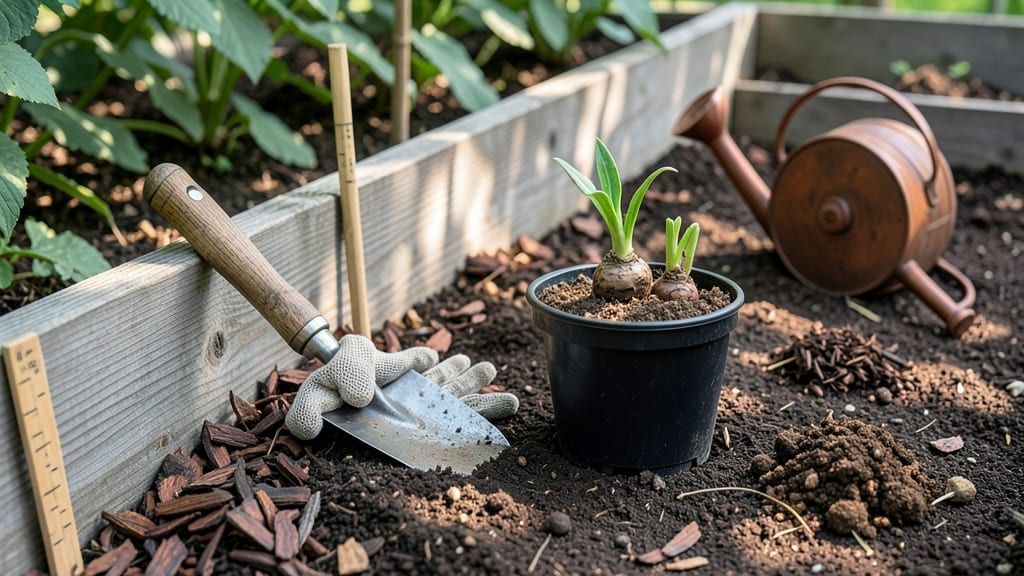
Getting your dahlias planted at the right time in California can make all the difference between a show-stopping summer garden and a struggle to keep those tubers happy.
With coastal areas like San Francisco enjoying near-year-round warmth and inland valleys experiencing more dramatic seasonal shifts, the timing for planting your 🌼 dahlias isn't one-size-fits-all.
If you're in the 9b-10a zones, you might be tempted to jump in early—but rushing can backfire. The key is waiting until soil temperatures hit that sweet spot of 60°F, which typically lands between late February and April for coastal regions, and March to May for inland valleys.
Why does this matter? Dahlias are frost-sensitive divas that need consistent warmth to thrive, and planting too soon can lead to stunted growth or worse.
I'll break down exactly when to start chitting your tubers, how to prep your soil, and what to watch for in both microclimates so you don't miss the perfect window.
Let's dive into the timing secrets that will have your dahlias blooming like crazy all summer long—no guesswork required. You'll learn how to read your local climate cues and avoid the most common mistakes that derail California gardeners every year.
Optimal planting dates for dahlias in California’s coastal vs. inland regions
California’s diverse microclimates mean coastal and inland gardeners must plant dahlias at different times to avoid frost damage or heat stress. Coastal areas like San Francisco and Santa Barbara enjoy milder winters, while inland valleys like the Central Valley face hotter summers and occasional late frosts.
Understanding these differences ensures your dahlias thrive from summer to fall.
Dahlias are tender perennials that need warm soil (60°F+) to sprout successfully. In coastal California, you can start planting as early as late February, while inland gardeners should wait until mid-March to April.
This timing aligns with average last frost dates, though coastal areas rarely experience frost at all.
For coastal regions, focus on planting between February 20 and April 15. The San Francisco Bay Area and Los Angeles benefit from extended growing seasons, allowing dahlias to bloom from June through October.
In contrast, inland areas like Sacramento and Bakersfield should plant between March 15 and May 1 to avoid heat stress during early summer.
🌱 Key Tip: Use a soil thermometer to confirm soil temperatures reach 60°F before planting. Dahlias won’t sprout in cooler soil, even if frost risk is low.
If you’re in a transition zone (e.g., Santa Cruz Mountains or San Bernardino Valley), err on the side of caution. These areas experience microclimates where frost can linger in low spots or near water bodies. Monitor local USDA Zone 9b-10a guidelines and adjust planting dates accordingly.
For container gardening, start tubers indoors 6-8 weeks before your region’s last frost date. This gives you a head start, especially in inland areas where summer heat arrives early. Use well-draining pots and move containers to shaded spots during heatwaves (above 95°F).
🌿 Remember: Dahlias planted too early in coastal foggy areas may suffer from powdery mildew, while inland dahlias planted too late may bolt (flower prematurely) due to heat. Balance is key!
Extend your dahlia season by choosing heat-tolerant varieties like 'Café au Lait' or 'Bishop' for inland gardens. Coastal gardeners can opt for disease-resistant types like 'Thomas Edison' or 'Karma Choc' to combat humidity-related issues.
Finally, mark your calendar for late October to November—this is when you’ll need to dig up and store tubers in inland areas to protect them from unexpected frosts. Coastal gardeners can often leave tubers in the ground year-round, but mulch heavily to insulate them during rare cold snaps.
How to prepare dahlias for California’s unique growing conditions
Preparing dahlias for California’s Mediterranean climate means tackling two big challenges: coastal humidity and inland heat. Whether you're in foggy San Francisco or sweltering Bakersfield, your tubers need special care to thrive.
Start by chitting tubers indoors 4-6 weeks before your target planting date—this jumpstarts growth and gives you a head start on the season.
For coastal gardeners, focus on air circulation to prevent fungal diseases like powdery mildew. Space tubers 12-18 inches apart and avoid overcrowding. Inland gardeners should prioritize shade cloth for young plants, as summer temperatures can exceed 100°F in the Central Valley.
Both regions benefit from well-draining soil mixed with compost to retain moisture without suffocating roots.
🌱 Pro Tip: Test your soil’s pH—dahlias prefer 6.0-7.0. Coastal soils often lean acidic, so amend with lime if needed. Inland soils may need extra organic matter to improve water retention during dry spells.
- 1 Chit tubers: Place tubers in a bright, 60°F+ spot with the eyes facing up. Roots will sprout in 2-4 weeks.
- 2 Hardening off: Move potted tubers outdoors for 2-3 hours/day 1 week before planting to acclimate.
- 3 Soil prep: Mix compost and perlite into garden beds for drainage. Coastal areas may need sand amendments.
- 4 Planting depth: Bury tubers 4-6 inches deep with the neck above soil. Use a stake or cage immediately to support tall varieties.
- 5 Mulch heavily: Apply 3-4 inches of mulch to retain moisture (critical for inland areas) and suppress weeds.
After planting, water deeply but avoid soggy soil—dahlias hate wet feet. Coastal gardeners should water every 2-3 days, while inland areas may need daily watering during heatwaves.
Use drip irrigation to keep foliage dry and prevent fungal issues. Fertilize with a balanced 5-10-10 mix every 4-6 weeks once shoots emerge, focusing on phosphorus to encourage blooms.
🌿 Watch for: Yellowing leaves in coastal areas may signal overwatering or nutrient deficiency, while inland dahlias may show wilting during midday heat. Adjust care immediately—dahlias are fragile but resilient when given the right conditions!
For container gardening, choose large pots (at least 12 inches deep) with drainage holes. Coastal containers benefit from terracotta pots (breathable), while inland gardeners should opt for insulated fabric grow bags to regulate temperature.
Move containers to shaded spots during extreme heat, and never let soil dry out completely.