
Plants
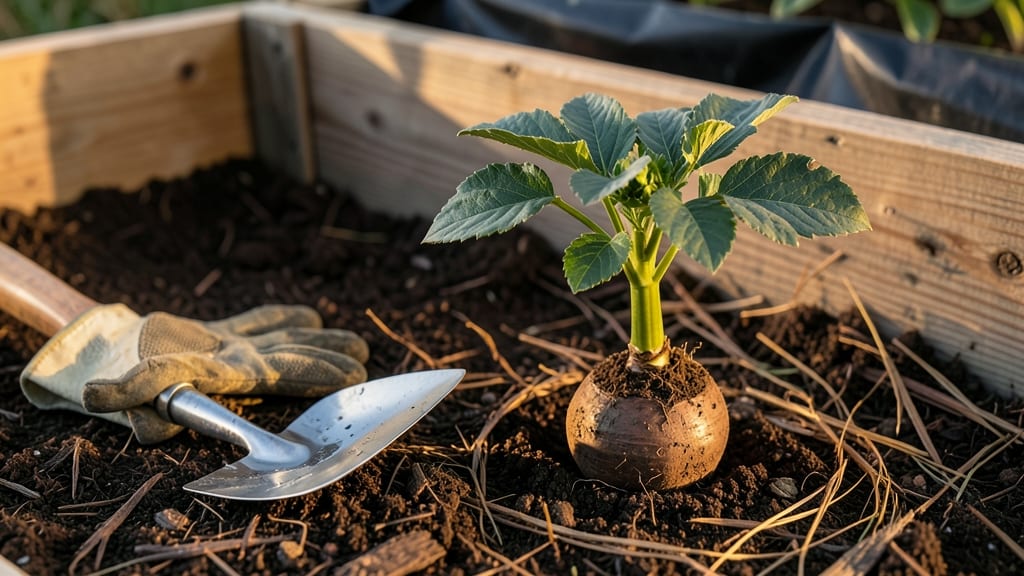
Timing your dahlia planting in Tennessee could mean the difference between a stunning summer garden and a sad, frost-nibbled disappointment. These 🌼 showstoppers thrive in Tennessee's climate—but only if you plant them after the last frost, when soil temperatures hit 60°F or warmer.
Most Tennessee gardeners in zones 6a-7b should wait until April 15-May 31, but don’t just guess—your exact window depends on whether you’re in Nashville, Chattanooga, or Knoxville. Planting too early risks rot, while waiting too long might cut your flowering season short.
Here’s the game-changer: a simple frost-free schedule tailored to Tennessee’s microclimates, plus soil temperature tricks to give your dahlias the best start. I’ll walk you through the exact dates, how to prep tubers, and when to expect those first vibrant blooms in July-October.
Ready to transform your garden? Let’s dive into the perfect planting strategy so your dahlias don’t just survive—they thrive.
Optimal planting dates for dahlias in Tennessee’s Zone 7a/7b
Timing your dahlia planting in Tennessee’s Zone 7a/7b means balancing soil warmth with frost risk. The last average frost date for most regions—like Nashville and Chattanooga—lands around mid-April, but unpredictable late frosts can linger until early May.
Wait until the soil temperature consistently hits 60°F (about 15.5°C) at a 6-inch depth, which usually occurs by mid-to-late April.
For tubers (the most common planting method), aim to get them in the ground between April 15 and May 1. This window ensures your dahlias have 6-8 weeks of warm soil before Tennessee’s summer heat peaks, giving roots time to establish before rapid top growth begins.
If you’re starting from seeds, begin indoors 10-12 weeks before your last frost (around mid-February) for transplants ready by late April.
Tennessee’s microclimates matter—elevated areas like Knoxville may experience frosts 1-2 weeks later than lowland Nashville. Use a frost calendar or local weather alerts to adjust your timeline.
A 2-week buffer after your region’s last frost date adds safety for those unpredictable cold snaps that can still hit in May.
🌱 Tennessee Dahlia Planting Timeline
| Stage | Action | Notes |
|---|---|---|
| Mid-February | Start seeds indoors | Use grow lights; keep soil at 70°F |
| Late March | Chit tubers indoors | Place in bright, cool spot (60°F) |
| Mid-April | Hardening off seedlings | Acclimate for 7-10 days |
| April 15-May 1 | Plant tubers/seeds outdoors | Soil temp ≥60°F; no frost risk |
| May 15 | Fertilize with 5-10-10 | Encourage root and bloom growth |
🌡️ Pro Tip: Use a soil thermometer to confirm 60°F+ before planting—cold soil delays growth and invites rot.
If you’re in Zone 7a (cooler microclimates like East Tennessee), push planting to May 1-15 to avoid late frosts. Zone 7b gardeners (e.g., Middle Tennessee) can plant as early as April 15, but monitor nighttime temperatures.
A frost cloth or row covers can buy you 1-2 extra weeks of protection if needed.
For container gardening, plant tubers in 5-gallon pots by mid-April—containers warm up faster than garden soil. Place pots in a sunny, sheltered spot and use black plastic mulch to raise soil temperatures by 5-10°F.
This trick is especially useful in Chattanooga’s valleys, where cold air pools and delays warming.
Once planted, mulch heavily with straw or shredded leaves to maintain soil moisture and prevent temperature swings. Dahlias in Tennessee thrive with consistent warmth, so avoid working the soil when it’s damp—this compacts clay-heavy Tennessee soil and stunts root growth.
Aim for loose, crumbly soil at planting time for the best start.
Remember: Dahlias are hungry feeders, and a late start means fewer blooms by summer’s end. By planting within this 2-week window, you’ll enjoy vibrant blooms from July through October, just in time for Tennessee’s fall festivals and wedding season. 🌼
For extended blooming, deadhead spent flowers weekly and fertilize every 4-6 weeks with a balanced bloom booster. This keeps your dahlias producing cutting-garden-worthy blooms until the first fall frost—usually mid-November in most of Tennessee. 🌿
Optimal planting dates for dahlias in Tennessee’s Zone 7a/7b
Tennessee’s Zone 7a/7b climate offers the perfect balance for dahlias, but timing is critical. The last frost typically hits March 15-April 15, but soil must reach 60°F before planting tubers.
In Nashville, this usually means waiting until mid-April, while Chattanooga’s cooler microclimate may push planting back to late April.
For maximum blooms, aim to plant between April 15-May 31. This window ensures your dahlias establish roots before summer heat arrives. Knoxville gardeners should lean toward late April due to its slightly cooler springs. Always use a 2-week buffer for unpredictable late frosts.
If you’re starting dahlias from seed, begin indoors in March for transplants ready by late April. Seedlings need 6-8 hours of sunlight daily and should be hardened off for 1-2 weeks before outdoor planting. For tubers, chitting (pre-sprouting) in late March speeds up growth after transplanting.
Tennessee’s humid summers mean dahlias planted after June 1 may struggle to establish before heat stress sets in. Prioritize early May for the best balance of warmth and moisture. Always plant tubers 4-6 inches deep with the eyes facing up to prevent rot.
Extend your flowering season by planting late varieties in early June. These dahlias will bloom through October, long after early plantings finish. Just ensure they’re mulched heavily to protect roots from late-season temperature swings.
Monitor your local extended forecast in late April—sudden cold snaps can delay planting by weeks. Use frost cloth if needed, but remove it during the day to maintain 60°F+ soil temps.