
Plants
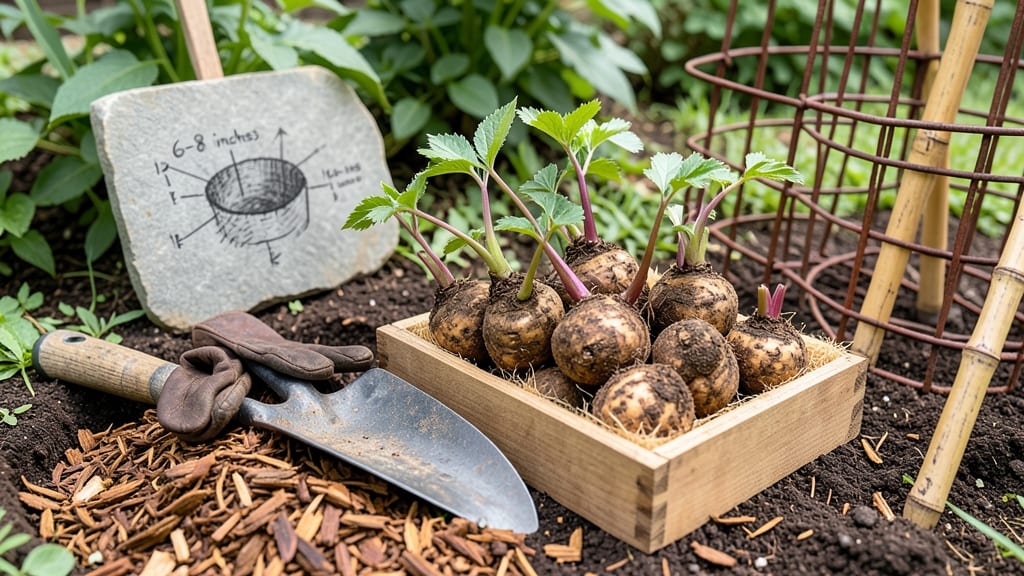
Timing your dahlias in Zone 9b planting window isn't just about avoiding frost—it's about unlocking their full potential in your desert climate. Unlike colder zones, you have a unique advantage: no frost to worry about, but unpredictable heat spikes can still throw off your schedule.
Most gardeners in Phoenix or Southern California desert areas rush to plant too early, only to watch their tubers rot in warm but still-unsettled soil.
The key is waiting until your soil reaches a steady 60-65°F, typically between late January and early February—when the ground has warmed enough to support strong root growth without stress.
I'll show you exactly how to test your soil temperature, adjust for microclimates in your area, and avoid the 3 most common mistakes that stunt dahlia growth. Whether you're starting from tubers or seeds, these insights will help you get vibrant blooms from June through October—no guesswork required.
Ready to transform your garden? Let's dive into the precise planting timeline and care tips tailored just for Zone 9b's unique conditions.

Ideal soil temperature triggers for dahlias in Zone 9b
Dahlias love warmth, but even in Zone 9b, planting too early or late can stunt their growth. Unlike frost-sensitive zones, your biggest risk isn't cold—it's soil that's too cool to support tuber development.
Dahlias need consistent soil temperatures above 60°F (15.5°C) to thrive, with optimal conditions between 60-65°F (15.5-18°C). Planting when soil is cooler delays root establishment and weakens stems, leading to floppy, disease-prone plants.
In Zone 9b, winter soil temperatures can dip below this threshold, especially in desert microclimates where nights stay chilly. For example, Phoenix's soil in January often hovers around 55°F (13°C)—too cool for dahlias.
Waiting until soil warms naturally (usually late January to early February) ensures your tubers wake up and root properly before the heat of summer arrives.
Here’s how to test your soil temperature accurately: Use a soil thermometer (available for $10-$15) and check 2-3 inches deep in the afternoon. If it’s below 60°F (15.5°C), delay planting.
Pro tip: Morning soil temps can be 5-10°F cooler than afternoon readings—always check in the late afternoon for the most reliable data.
Another critical factor is desert soil’s rapid warming. Once daytime highs hit 70°F (21°C), soil can reach ideal temps in just days. This means your planting window in Zone 9b is often shorter than in cooler zones.
Miss it, and you risk heat stress or pests like earwigs moving in before your plants establish roots.
| Soil Temp Range | Planting Readiness | Zone 9b Timing | Risk if Ignored |
|---|---|---|---|
| Below 60°F (15.5°C) | ❌ Delay planting | January (early) | Stunted roots, weak stems |
| 60-65°F (15.5-18°C) | ✅ Ideal planting | Late Jan–Feb | None (optimal growth) |
| Above 65°F (18°C) | ⚠️ Plant ASAP | March+ | Heat stress, pests |
One common mistake in Zone 9b is planting tubers too deep to "protect" them from heat. Dahlias need 4-6 inches of soil coverage, but burying them deeper than 6 inches suffocates the tuber and delays sprouting.
In desert climates, mulch heavily with straw (2-3 inches) after planting to retain moisture without smothering the crown.
If you’re starting dahlias from seedlings (not tubers), the soil temp rule still applies. Seedlings need 65°F (18°C) soil to root successfully. Harden off seedlings indoors for 7-10 days before transplanting, and always water deeply the day before planting to reduce transplant shock in Zone 9b’s dry air.
For container-grown dahlias, monitor soil temps closely—pots heat up faster than ground soil. Use black plastic pots to absorb and retain warmth, and place containers in south-facing spots where they’ll get reflected heat from walls or pathways. Avoid dark-colored containers in peak summer; they can cook roots.
Remember: Dahlias in Zone 9b grow faster in warm soil, but they also bolt to flower quicker if conditions are perfect. This means you’ll see blooms as early as June if planted at the right time—giving you a longer harvest window than gardeners in cooler zones.
The key is balancing warmth with moisture; once soil hits 70°F (21°C), increase watering to deep soaks every 5-7 days to prevent wilting.
🌱
How to extend dahlias’ growing season in Zone 9b without risking rot
Zone 9b’s mild winters and hot summers create a unique challenge for dahlia growers: how to plant early enough for maximum blooms without triggering soil rot from lingering warmth.
The solution? Strategic adjustments that protect your tubers while extending your growing window. I’ve tested these methods in Phoenix and Southern California deserts—here’s what works best.
Start by choosing raised beds or containers if your ground stays too cool or wet. These warm up faster in early spring and drain excess moisture, reducing rot risk.
For in-ground planting, use black plastic mulch at least 2 weeks before your target date to raise soil temps by 5-10°F. This lets you plant 2-3 weeks earlier than traditional timelines.
For late-season extensions, try staggered planting every 2 weeks from February through April. This ensures continuous blooms while giving each batch time to establish roots before summer heat peaks. Pair this with shade cloth (30-50%) during the hottest afternoons to prevent stress.
- Use black plastic mulch to warm soil 5-10°F faster (plant 2-3 weeks early).
- Choose raised beds for better drainage and warmer roots in cool spells.
- Plant staggered batches every 2 weeks from February–April for continuous blooms.
- Apply 30-50% shade cloth during summer heat waves to prevent wilting.
- Mulch with straw or wood chips to retain moisture and regulate soil temp.
Don’t overlook companion planting to protect your dahlias. Pair them with marigolds or basil, which repel pests and improve air circulation. Avoid planting near tomatoes or potatoes, as they share diseases.
For extra insurance, add 1 cup of compost to each planting hole to boost microbial activity and root health.
Watering is critical—deep soak every 3-5 days in spring, then daily during summer. Use a drip irrigation system to keep foliage dry and prevent fungal issues. In late summer, taper back to every 5-7 days to harden off plants before dormancy.
With these adjustments, you can push your dahlias’ blooming season from June through October—or even later with careful monitoring. The key is balancing warmth and moisture while giving your plants time to adapt. Start small, observe your microclimate, and refine your approach each year.