
Plants
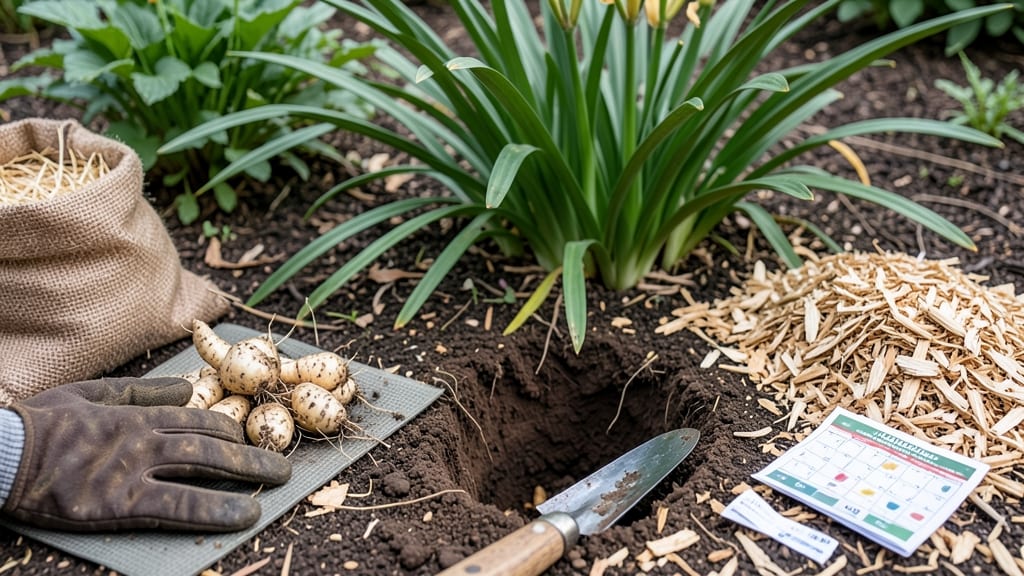
Timing when to plant daylily bulbs in Zone 5 just right could mean the difference between vibrant summer blooms and struggling roots. The perfect window isn't just about seasons—it's about giving these hardy plants the 6-8 weeks they need to establish strong roots before frost hits.
Most gardeners in Zone 5 reach for their daylily rhizomes in spring, but fall planting actually gives them a head start. I've seen firsthand how planting in early September (about 8 weeks before our first frost) leads to bigger, healthier plants by next summer.
Here's the thing: daylilies aren't picky about soil, but they do need well-draining ground and consistent moisture. Whether you're working with bare-root rhizomes or potted plants, the key is getting them in the ground when temperatures stay above 50°F at night.
Let me walk you through exactly when to plant in your specific Zone 5 microclimate, plus the 3 critical care steps that'll have your daylilies thriving from their first spring shoot to their last summer bloom.

Optimal planting weeks before frost for Zone 5 daylilies
Daylilies aren't planted from traditional bulbs—they grow from rhizomes, which need time to establish roots before winter. In Zone 5, the ideal window is 6-8 weeks before your first frost, typically late August to mid-September. This timing ensures strong root growth before cold sets in.
For spring planting, aim for 2-3 weeks before your last frost date (usually mid-April to early May in Zone 5). Spring-planted daylilies often bloom the same year, while fall-planted ones focus on root development for next year's flowers.
Soil temperature matters too. Daylily rhizomes thrive when soil is 60-70°F. In Zone 5, this usually aligns with late summer when daytime highs are still warm but nights cool down. Use a soil thermometer to confirm readiness.
Bare-root rhizomes need slightly earlier planting (7-9 weeks before frost) since they establish roots faster than potted plants. Potted daylilies can wait until 5-6 weeks before frost because their roots are already established in the container.
| Planting Type | Ideal Planting Window | Soil Temp Requirement | Key Consideration |
|---|---|---|---|
| Bare-Root Rhizomes | 7-9 weeks before frost | 60-70°F | Faster root establishment |
| Potted Daylilies | 5-6 weeks before frost | 55-65°F | Less root shock |
| Spring Planting | 2-3 weeks before last frost | 50-60°F | Same-year blooms possible |
Missed the fall window? Don't panic. Daylilies are hardy perennials that can handle light frost after planting. However, avoid planting when soil temps drop below 50°F, as this slows root growth dramatically. In Zone 5, this usually means no later than mid-October.
Pro tip: If your frost date is earlier than average, opt for everblooming varieties like 'Stella de Oro'. These tolerate cooler temps better and may produce flowers even with delayed planting.
Always plant rhizomes with the growing tip facing up and the crown slightly above soil level. This prevents rot while allowing quick access to sunlight for new shoots. Mulch with 2-3 inches of straw after planting to insulate roots.
Zone 5 gardeners often ask: "Can I plant daylilies in early spring?" The answer is yes, but expect smaller blooms the first year as energy goes toward root establishment. For maximum blooms, prioritize fall planting.
Remember: Daylilies are low-maintenance perennials, but proper timing ensures they thrive for decades with minimal care. With the right planting window, you'll enjoy vibrant summer blooms year after year.
How to adjust planting for early vs. late Zone 5 frost dates
Zone 5's frost dates vary dramatically—some areas see their first frost in early October, while others wait until mid-November. This variation means your planting window must be flexible.
For early frost regions, start planting bare-root rhizomes by August 1st to ensure roots establish before cold arrives. In later frost zones, you can extend planting until mid-October.
First, check your local average frost dates (USDA Plant Hardiness Zone Map is your best friend). Then adjust your timeline: subtract 6-8 weeks from your first frost date to find your ideal planting window. For example, if frost hits October 15th, plant between August 22nd and September 15th.
Soil preparation is key when adjusting for frost dates. For early planting (August), work in compost and organic matter to warm the soil faster. For later planting (October), focus on mulching with straw to insulate roots during cooler nights. Both approaches help maintain optimal soil temps (60-70°F).
- 📅 Early Frost Zones (Oct 1-15): Plant bare-root rhizomes by August 1st for maximum root growth. Use black plastic mulch to warm soil faster.
- 📅 Mid-Frost Zones (Oct 16-31): Ideal window is August 15th-September 15th. Mix compost into soil to improve drainage and warmth.
- 📅 Late Frost Zones (Nov 1-15): Can plant until mid-October. Focus on mulching with straw to protect roots from early cold snaps.
- ⚠️ Never plant when soil temps drop below 50°F—roots won't establish properly. Use a soil thermometer to check.
- 🌱 Spring adjustments: If frost comes early, plant potted daylilies (they establish faster) instead of bare-root rhizomes.
Pro tip: If you're unsure about your frost date, plant everblooming varieties like 'Happy Returns' or 'Gold Band'. These tolerate cooler temps better and may produce flowers even with delayed planting. For standard varieties, stick to the 6-8 week rule for best results.
Watering schedules also shift with frost dates. In early planting zones, water deeply every 5-7 days to encourage root growth. In late zones, reduce to bi-weekly watering once soil cools. Always water in the morning to prevent fungal issues.
Remember: Daylilies are perennials that reward patience. Even if you miss the perfect window, they'll often recover—just be prepared for smaller blooms the first year if planted late. With the right adjustments, you'll enjoy vibrant summer blooms for years to come.