
Plants
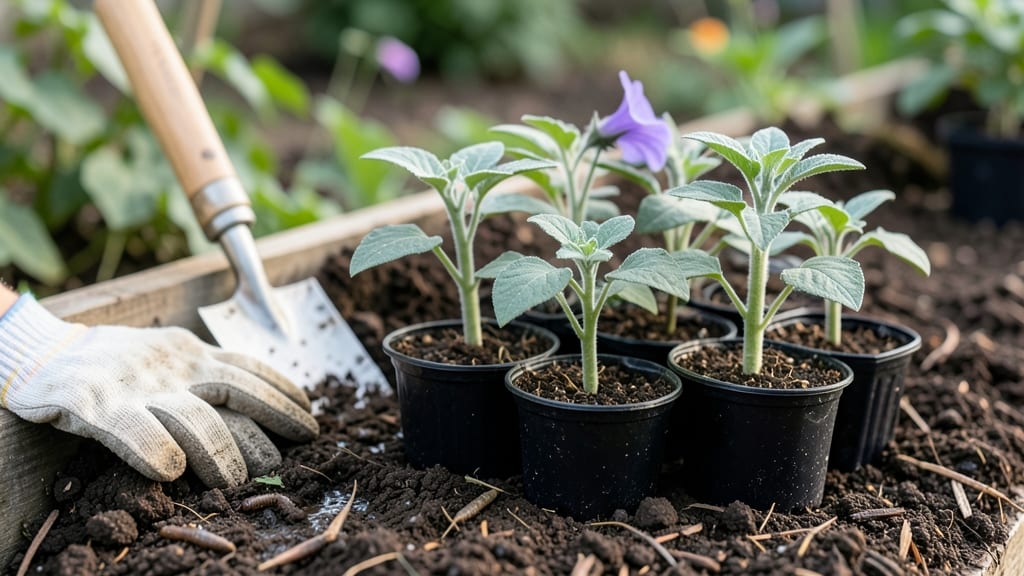
Timing your eggplant planting in North Carolina can mean the difference between a thriving 🍆 harvest and a sad, wilted disappointment. Since eggplants are heat-loving plants, getting them in the ground too early—before the last frost—can spell disaster, while planting too late might leave you with a short season.
For Zone 7B-8A gardeners, the sweet spot is after April 15, once soil temperatures hit a steady 70°F+.
Why does this matter? Eggplants are sensitive to cold, and even a light frost can kill them outright. But don’t wait too long either—if you miss the June 15 window, your plants may struggle to mature before North Carolina’s first frost in November.
The key is balancing warmth, soil prep, and your local microclimate, whether you’re in the Piedmont, Coastal Plain, or Mountains.
In this guide, I’ll walk you through the exact planting schedule for your region, plus pro tips for container vs. in-ground planting. You’ll learn how to prep your soil, extend your harvest season, and choose the best varieties for NC’s heat and humidity.
Let’s get those eggplants growing the right way!
Ready to avoid the common mistakes and grow a bountiful crop? The secret starts with knowing when to plant—and trusting that your timing will pay off in flavorful, glossy eggplants by summer’s end. Let’s dive in!
Best planting times for eggplant in NC (zone 7B-8A)
North Carolina’s Zone 7B-8A climate offers a perfect window for growing eggplants, but timing is critical. The last frost date varies—March 15 in the Piedmont, March 1 along the coast, and April 15 in the mountains—so adjust your schedule accordingly.
Eggplants need warm soil (70°F+) and consistent heat to thrive, making early spring planting risky unless you use protective measures.
For most of NC, the ideal transplant window is between April 15 and June 15. This ensures plants mature before first frost (typically November 1 in Piedmont or November 15 along the coast).
Direct sowing is possible in late spring (May-June), but transplants give you a head start and avoid the seedling shock of direct planting.
Here’s a quick reference for your region:
| Region | Last Frost | Best Transplant Window | First Frost |
|---|---|---|---|
| Piedmont (Raleigh, Greensboro) | March 15 | April 15 - May 30 | November 1 |
| Coastal (Wilmington, Fayetteville) | March 1 | April 1 - June 1 | November 15 |
| Mountains (Asheville, Boone) | April 15 | May 15 - June 15 | October 15 |
Soil temperature is more important than air temperature for eggplants. Use a soil thermometer to confirm 70°F+ before planting. If your soil is cooler, try black plastic mulch or a cold frame to warm it faster.
In containers, soil heats up quicker, so you can plant 1-2 weeks earlier than in-ground.
For a longer harvest season, consider succession planting every 2-3 weeks from April through June. This ensures a steady supply of fresh eggplants from July through October.
Just be mindful of humidity levels—NC’s sticky summers can lead to fungal diseases like powdery mildew if plants aren’t spaced properly (aim for 18-24 inches apart).
If you’re starting seeds indoors, begin 8-10 weeks before your last frost date. Eggplants grow slowly at first, so don’t rush—seedlings need 6-8 hours of light daily to avoid leggy, weak plants. Harden off seedlings for 7-10 days before transplanting to help them adjust to outdoor conditions.
One common mistake in NC is planting too early and exposing eggplants to late spring frosts. Even a light frost (28°F) can kill young plants, so always check your local frost-free date and monitor weather forecasts for unexpected cold snaps.
For extra protection, use row covers or cloches during the first 2-3 weeks after transplanting.
Pro tip: Black plastic mulch isn’t just for warming soil—it also suppresses weeds and keeps fruit clean and dry. Lay it down 1-2 weeks before planting to give it time to heat up.
Pair this with drip irrigation to keep moisture consistent without wetting the leaves, reducing the risk of disease.
Finally, remember that eggplants are heat lovers. In NC’s Zone 7B-8A, they’ll reward you with abundant harvests if planted at the right time and given proper care.
With these timing tips, you’ll avoid the pitfalls of frost damage or stunted growth and enjoy homegrown eggplants all season long! 🌿
How to extend eggplant season in NC: tips for early/late planting
North Carolina’s short growing season can limit eggplant harvests, but with the right strategies, you can extend your fruit production by weeks—or even months. The key is warming soil quickly and protecting young plants from late frosts or early chills.
I’ve tested these methods in my Zone 7B garden and seen harvests stretch from July through October!
For early planting, focus on soil warmth and frost protection. Eggplants need soil temps of 70°F+ to germinate, so use black plastic mulch or row covers to jumpstart growth.
In my garden, planting under clear plastic tunnels in early April (before the last frost) lets me harvest 3-4 weeks earlier than traditional schedules.
🔹 Visual Element: Callout Warning 🔹
⚠️ Critical Mistake to Avoid
Planting too early without soil warming leads to poor germination or fungal diseases. Test soil temp with a thermometer—if it’s below 65°F, wait or use heat mats.
🌡️ Pro Tip: Bury a thermometer 2 inches deep for accurate readings.
Late-season planting is all about succession planting and heat tolerance. Choose fast-maturing varieties (like 'Ichiban', which ripens in 60 days) and plant every 2 weeks from June through July. In my Coastal NC garden, this gives me fresh eggplants through October, even as temps dip.
Another trick? Use straw mulch to insulate roots from cool nights. I cover my plants with 3-4 inches of straw in September, which keeps soil temps 5-10°F warmer than bare ground. This simple step has added 2-3 weeks to my harvest window every year.
Don’t overlook container gardening for late-season plants. Pots warm up faster and can be moved to protected spots (like a garage or porch) if frost threatens. I’ve grown eggplants in 5-gallon containers on my patio until mid-November using this method!
Finally, watch for blossom-end rot, a common issue when temps swing wildly. Water consistently and avoid over-fertilizing with nitrogen—too much leafy growth stresses the plant. My secret? A balanced 10-10-10 fertilizer every 4-6 weeks keeps fruit production steady without sacrificing quality.
With these tricks, you’ll turn NC’s short season into a long harvest. Start early, protect late, and enjoy eggplants from summer through fall! 🌱