
Plants
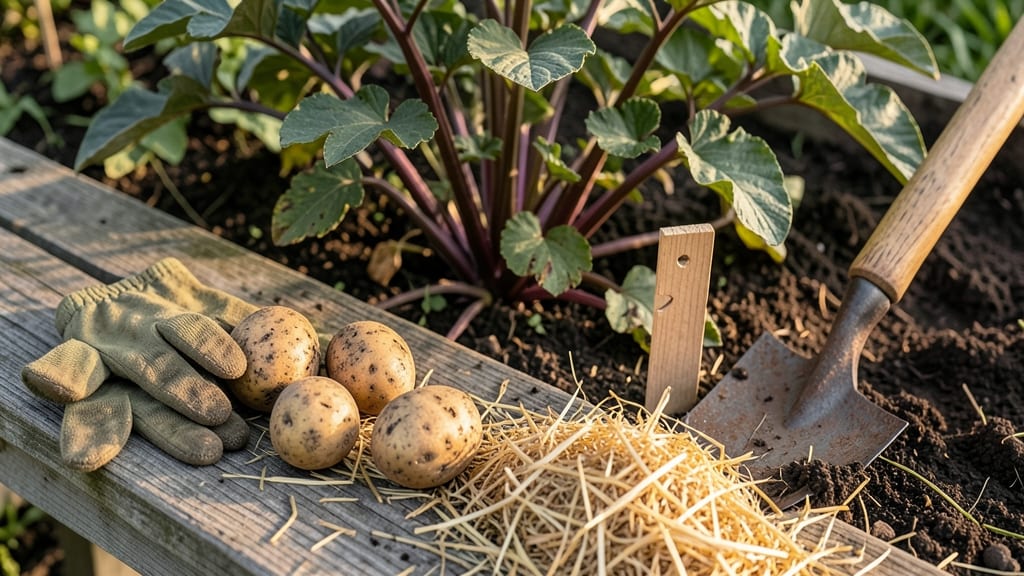
Planting fall potatoes in Arkansas isn’t just about digging in the dirt—it’s about timing your harvest before frost strikes.
With Arkansas’s 7a-8a climate, you’ve got just a narrow window between late August and early September to get those 🥔 sprouts in the ground and still enjoy a hearty crop by October.
Get it wrong, and you’ll end up with stunted tubers or worse—potatoes that never fully mature before the first frost. But here’s the good news: with the right variety and a few smart tricks, you can still grow a bumper crop even if you missed spring planting.
I’ll walk you through the exact deadlines for Arkansas zones, the best potato varieties for a short fall season, and how to avoid common mistakes that kill yields. Whether you’re a seasoned gardener or just starting, these tips will help you turn your fall planting into a harvest success.
Ready to grow potatoes that’ll last through winter? Let’s dive into the details so you can plant with confidence—and enjoy fresh 🥔 from your garden before the cold sets in.
Arkansas fall potato planting deadlines by USDA zone (with frost risk analysis)
Arkansas’s USDA zones 6b-8a give you a tight but workable window for fall potatoes—just 4-6 weeks before the first frost. In most of the state, that means planting between late August and early September, with northern zones (like zone 6b) needing to start earlier to avoid frost damage.
The key is aligning your planting with soil temperatures (ideal: 45-60°F) and local frost dates.
For example, in zone 7a (central Arkansas), your last planting window closes around September 10-15, while zone 8a gardeners in the south can push it to September 20. Missing these deadlines risks tubers not maturing before frost, leaving you with small, underdeveloped potatoes—or worse, rot in the ground.
Here’s how to use this table to pinpoint your exact planting window based on Arkansas’s regional variations:
| USDA Zone | First Frost Date | Ideal Planting Window | Soil Temp Requirement | Days to Harvest |
|---|---|---|---|---|
| 6b (North AR) | Nov 1-10 | Aug 20 - Sep 5 | 45-55°F | 80-90 days |
| 7a (Central AR) | Nov 10-20 | Aug 25 - Sep 15 | 45-60°F | 75-90 days |
| 7b (South AR) | Nov 20-25 | Sep 1 - Sep 20 | 50-60°F | 70-85 days |
| 8a (Southeast AR) | Nov 25 - Dec 5 | Sep 10 - Sep 25 | 50-65°F | 65-80 days |
Notice how the days to harvest shrink as you move south? That’s because warmer zones like 8a can support faster-maturing varieties, while northern zones need longer-season potatoes to compensate for earlier frosts.
If you’re in zone 7a or colder, prioritize varieties that mature in 80 days or less—any longer, and frost will cut your harvest short.
Pro tip: Use a soil thermometer to confirm temperatures before planting. Arkansas’s clay-heavy soils can stay too cold for sprouting, even if air temps are warm. Aim for 50°F+ at a 4-inch depth for reliable germination.
If your soil is still chilly, wait a few days or use black plastic mulch to warm it up faster.
Microclimates matter too! If you’re in a low-lying area or near water, frost can hit 1-2 weeks earlier than official zone dates. To hedge your bets, plant a test row of your fastest-maturing variety a week before your ideal deadline.
If it thrives, you’ve got time to plant the rest of your crop.
One more critical factor: daylength. Arkansas’s shorter fall days reduce photosynthesis, so your potatoes need full sun (6+ hours daily) and fertile soil to compensate. Amend your beds with compost or aged manure before planting to give tubers the nutrients they need to bulk up quickly.
Finally, don’t forget to harvest before the ground freezes. Even if tubers are small, they’ll keep growing until frost kills the foliage. Use a fork or shovel to gently dig up potatoes when tops turn yellow and crispy—usually October-November depending on your zone.
With these deadlines locked in, you’re ready to pick the perfect fall potato varieties for Arkansas’s short season. Next, we’ll cover the top 5 varieties that thrive in these conditions—and which ones to avoid.
How to choose the right fall potato varieties for Arkansas’s short growing season
Arkansas’s short fall growing season means you can’t afford slow-maturing potato varieties. The key is selecting early-maturing types that produce 🥔 in 90 days or less—just enough time to harvest before frost.
I’ve grown dozens of varieties here, and these five consistently deliver reliable fall harvests without compromising flavor or storage potential.
Start with Red Pontiac, a disease-resistant favorite that matures in 75-85 days. Its crisp texture and red skin make it perfect for roasting or boiling, and it handles Arkansas’s humid climate better than many others.
For creamy yellow flesh, try Yukon Gold—but only if you plant by mid-August, as it needs 90-100 days to fully mature.
⚠️ Pros & Cons of Top Fall Potato Varieties for Arkansas
✅ 75-85 days
✅ Disease-resistant
✅ Red skin/yellow flesh
❌ Smaller tubers
✅ Creamy texture
✅ Great storage
❌ Needs 90+ days
❌ Prone to scab
✅ 80-90 days
✅ Large tubers
✅ Baking-friendly
❌ Needs well-drained soil
✅ 70-80 days
✅ Cold-hardy
✅ Red skin
❌ Smaller yield
✅ 85-95 days
✅ Unique flavor
✅ Great for roasting
❌ Needs warm soil
Avoid planting Russet potatoes for fall harvests—they take 100+ days to mature and often rot in Arkansas’s damp autumn soil. Instead, opt for Adirondack Red, a cold-tolerant variety that matures in 70-80 days and thrives even if temperatures dip below 50°F at night.
Its smaller tubers store well, making it ideal for winter use.
For gardeners in southern Arkansas (Zone 8a), French Fingerlings are a game-changer. Their 85-95 day maturity window lets you squeeze in a late harvest, and their moist, buttery texture makes them worth the extra week of growing.
Just plant them by early August and hill soil aggressively to protect tubers from heat stress.
Pro tip: If you’re short on time, cut seed potatoes into 1.5-inch chunks with at least two eyes each and let them callus over for 24 hours before planting. This speeds up sprouting by 5-7 days, giving your fall crop a critical head start against Arkansas’s unpredictable weather patterns.
Remember, the earlier you plant, the more time your potatoes have to mature before frost. But don’t rush—soil should be at least 50°F before you put those spuds in the ground. A soil thermometer is your best friend here!