
Plants
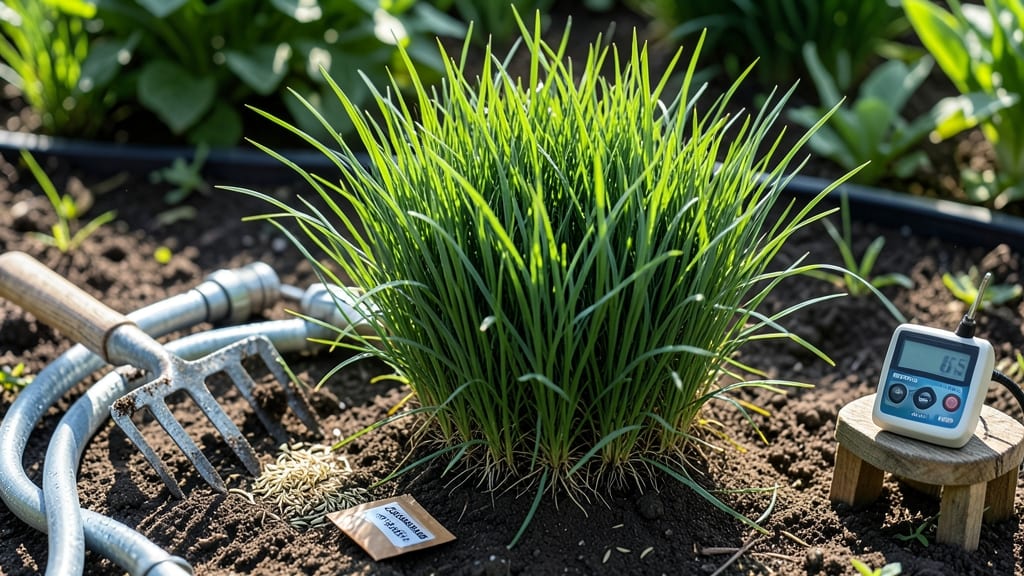
Timing when to plant fescue seed in Atlanta isn’t just about picking a month—it’s about beating the heat and avoiding winter’s chill. Plant too early, and your seedlings could wilt under Georgia’s summer sun; too late, and frost might stunt their growth before they take root.
Atlanta’s USDA Zone 7b-8a climate gives you two prime windows: late summer to early fall (August–October) or early spring (March–April). The key is planting 4–6 weeks before the first frost to give your grass time to establish strong roots before winter sets in.
I’ve seen firsthand how a well-timed planting can transform a patchy lawn into a lush, resilient carpet of green. Whether you’re seeding a new yard or overseeding an existing one, the right timing makes all the difference—especially in Atlanta’s unpredictable weather.
Ready to plant? Let’s break down the best months, soil prep tips, and how to protect your 🌱 Fescue Grass from Atlanta’s climate quirks so you end up with a lawn that thrives year-round.
Best months to plant fescue seed in Atlanta’s climate zones
Atlanta’s USDA Zone 7b-8a climate creates unique challenges for planting fescue grass. Unlike northern regions, our mild winters and hot summers demand precise timing to avoid heat stress or frost damage.
The ideal window focuses on two key periods: late summer to early fall and early spring, both offering cooler temperatures and consistent moisture for seed germination.
For most Atlanta gardeners, fall planting (August–October) delivers the best results. This timing allows seedlings to establish strong roots before winter dormancy, while avoiding the brutal summer heat. Spring planting (March–April) is a secondary option, but requires careful monitoring of soil temperatures to prevent early-season drought stress.
Here’s why timing matters: Fescue seeds need soil temperatures between 60°F–75°F for optimal germination. In Atlanta, summer soil temps often exceed 85°F, causing seeds to dry out before sprouting. Conversely, planting too late in fall risks exposing young grass to early November frosts, which can stunt growth.
| Planting Window | Ideal Months | Soil Temp (°F) | Rainfall (inches) | Key Advantages |
|---|---|---|---|---|
| Fall Planting | August–October | 60°F–75°F | 3–5 inches/month | Cooler temps, consistent moisture, strong root establishment |
| Spring Planting | March–April | 55°F–65°F | 3–4 inches/month | Avoids summer heat, but requires vigilant watering |
| Avoid | May–July | 85°F+ | 1–2 inches/month | High heat stress, drought risk, poor germination |
Atlanta’s average first frost date is around November 15, so aim to plant fescue seeds 4–6 weeks before this date (typically mid-September) to give seedlings time to establish. For spring planting, wait until soil temperatures stabilize above 55°F, usually by mid-March.
Pro tip: Use a soil thermometer to monitor temperatures. If your soil reads above 75°F in summer, delay planting until fall. Conversely, if spring soil stays below 55°F past April, wait for warmer conditions to avoid slow germination.
Another critical factor is rainfall patterns. Atlanta’s summer months often bring sporadic downpours, but fall provides steady moisture—ideal for keeping seeds hydrated. If you plant in spring, supplement rainfall with daily watering (about ¼ inch per day) until seedlings are 2–3 inches tall.
For best results, prepare your soil 2–4 weeks before planting. Test your soil’s pH (aim for 6.0–7.0) and amend with compost or peat moss if needed. Atlanta’s clay-heavy soil benefits from gypsum or sand to improve drainage, ensuring seeds don’t suffocate in compacted earth.
Remember: Fescue grass thrives in partial shade to full sun, but Atlanta’s intense summer sun can scorch young seedlings. If planting in late summer, consider temporary shade cloth until fall’s milder conditions arrive.
By aligning your planting with Atlanta’s climate rhythms, you’ll give your fescue lawn the best chance to germinate quickly, establish deeply, and outlast Georgia’s seasonal extremes. 🌱
How Atlanta’s weather affects fescue germination: key risks & solutions
Atlanta’s humid subtropical climate creates unique challenges for fescue germination. The city’s high summer heat (often exceeding 90°F) and oppressive humidity can bake seeds before they sprout, while late-season frosts threaten tender seedlings.
Even the consistent rainfall Atlanta receives can become a double-edged sword—too much moisture promotes fungal diseases, while drought stress weakens young grass.
One of the biggest risks is heat stress. When soil temperatures climb above 85°F, fescue seeds struggle to germinate, often drying out before sprouting. This is why fall planting (August–October) is ideal—cooler air and soil temperatures create perfect conditions for seedling development.
Spring planting (March–April) also works, but requires daily watering to compensate for warmer soil.
Atlanta’s high humidity (often 70%+) creates another hurdle: fungal diseases like brown patch or dollar spot thrive in damp conditions. These can turn a healthy seedbed into a mushy, moldy mess within days. To prevent this, avoid overwatering and ensure your lawn has proper drainage—especially in clay-heavy Atlanta soil.
⚠️ Critical Warning: Atlanta’s Weather Pitfalls
Planting in summer (May–July)? Your seeds will bake in 90°F+ soil and fail to sprout.
Planting too late in fall? November frosts can kill tender seedlings before they establish.
Ignoring soil prep? Compacted clay soil suffocates roots, leading to patchy growth.
To protect your fescue from Atlanta’s climate quirks, start with soil preparation. Test your soil’s pH (ideal range: 6.0–7.0) and amend with compost or peat moss to improve structure.
If your yard has heavy clay, mix in gypsum or sand to prevent waterlogging. A well-prepared seedbed ensures seeds make strong contact with soil, which is critical for germination.
Watering strategy is another game-changer. Fescue seeds need consistent moisture but hate soggy conditions. Water lightly twice daily (morning and evening) for the first week, then taper to deep watering every 2–3 days once seedlings emerge.
Use a rain gauge to track moisture—Atlanta’s summer storms can deliver 1–2 inches of rain in a single downpour, which may be too much for young grass.
For extra protection, consider mulching with straw after planting. This retains moisture, regulates soil temperature, and reduces weed competition. Just avoid thick layers—¼ inch is enough—or you’ll smother your seedlings.
If you’re planting in late summer, use shade cloth (30–50%) to protect seeds from intense afternoon sun until fall’s milder conditions arrive.
Finally, monitor your lawn for early signs of stress. Yellowing seedlings may signal overwatering or fungal issues, while slow growth could mean poor soil contact or insufficient light.
Atlanta’s unpredictable weather means you’ll need to stay vigilant—adjusting your watering and care routine as conditions change. With the right prep, your fescue will thrive despite Georgia’s climate challenges. 🌿