
Flowers
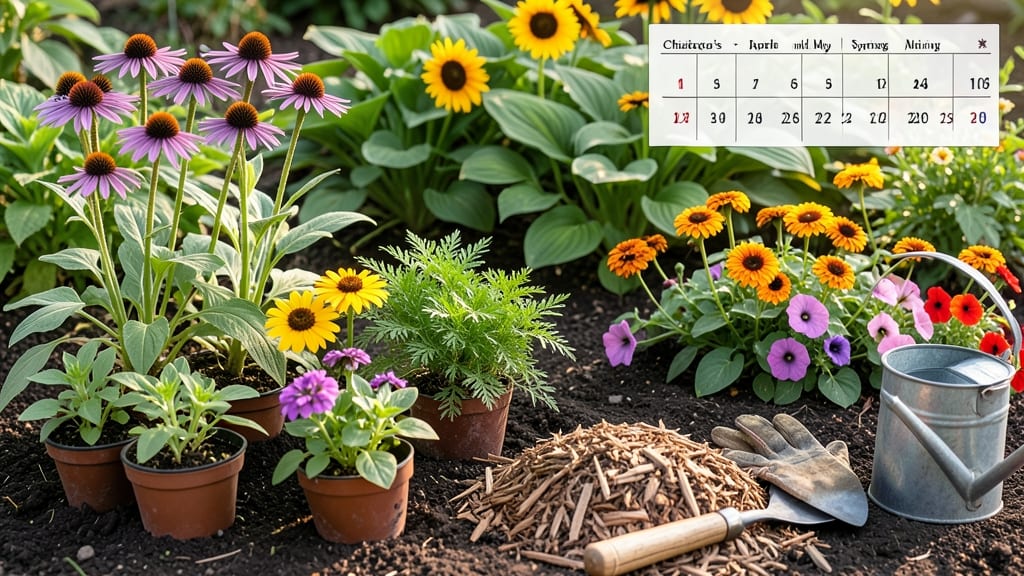
Timing your flowers 🌸 planting in Chicago isn’t just about following a calendar—it’s about outsmarting the city’s unpredictable frost dates and short growing season.
Plant too early, and a late freeze could wipe out your delicate blooms; wait too long, and you’ll miss the vibrant summer displays you’ve been dreaming of.
With USDA Zones 5b-6a and frost dates that can shift from year to year, knowing the exact windows for annuals, perennials, and bulbs is the difference between a thriving garden and a disappointing one.
I’ll break down the science behind Chicago’s frost averages and show you how to adjust for your specific neighborhood—whether you’re battling urban heat islands or rural chill.
From cool-season annuals like pansies that can handle early spring plantings to heat-loving marigolds that need to wait until after the last frost, every flower type has its own rules.
You’ll also discover how to stretch your season with simple tricks like mulching, row covers, and succession planting—so you can enjoy blooms from May through October without the stress.
Whether you’re a first-time gardener or a seasoned green thumb, this guide will give you the confidence to plant with precision. Let’s turn your Chicago garden into a year-round showstopper, one frost-smart decision at a time.
Chicago frost dates 2024: average last spring & first fall frosts by month
Chicago’s frost dates are the backbone of your planting schedule, and 2024 follows the same historical patterns with some key adjustments. The city sits in USDA Zones 5b-6a, meaning you’ll typically see your last spring frost around April 15 and your first fall frost near October 15.
However, these dates can shift by 2-3 weeks depending on your neighborhood’s microclimate—urban areas like downtown may warm up faster, while suburban and rural zones can linger colder.
For 2024, I recommend using these projected frost dates as your guide: April 1-15 for the last spring frost and October 10-20 for the first fall frost. Always check the National Weather Service or local garden clubs for real-time updates, but these averages will help you plan with confidence.
The 165-day frost-free season in Chicago means every week counts—so don’t waste time!
Your planting windows hinge on these dates. For cool-season crops like pansies or snapdragons, you can start as early as March 15 under protection. Warm-season flowers like marigolds or zinnias, however, must wait until after May 1 to avoid frost damage.
The key is balancing soil temperature (aim for 50°F+) with air temperature trends.
Here’s how your microclimate affects frost dates:
- Urban areas (e.g., downtown, Loop): Warmer by 2-5°F, last frost ~April 5
- Suburban areas (e.g., Lincoln Park, Hyde Park): Average frost dates (~April 15)
- Rural areas (e.g., northwest suburbs): Colder by 2-5°F, last frost ~April 25
| Season | Frost Event | Average Date (2024 Projection) | Safe Planting Window |
|---|---|---|---|
| Spring | Last Frost | April 1-15 | Start hardy annuals (e.g., pansies) March 15; wait until May 1 for tender flowers. |
| Fall | First Frost | October 10-20 | Plant cool-season flowers (e.g., asters) by August 15; avoid planting tender annuals after September 1. |
| Year-Round | Soil Warm-Up | 50°F+ | Wait until soil reaches 50°F (use a soil thermometer) before planting warm-season flowers. |
To future-proof your garden, I recommend preparing for late frosts by keeping row covers or frost cloth on hand. Even if the average last frost is April 15, a late-May freeze can still happen—especially in Zone 5b areas.
For example, in 2020, Chicago saw a late frost on May 12, catching many gardeners off guard. Always err on the side of caution with tender annuals like petunias or geraniums.
Another critical factor is soil temperature. Even if air temperatures are warm, cold soil can stunt growth. Use a soil thermometer to confirm 50°F+ before planting warm-season flowers. For instance, marigolds and zinnias thrive when soil temps hit 60°F+, which usually aligns with late May in Chicago.
If you’re in a hurry, consider warming your soil with black plastic mulch a week before planting.
For perennials and bulbs, timing is less critical but still important. Plant spring-blooming bulbs (e.g., tulips) in October for next year’s flowers, while fall-planted perennials (e.g., coneflowers) can go in as late as September 30.
The goal is to give roots time to establish before winter dormancy. In Chicago’s climate, this means avoiding late-September plantings unless you’re using mulch to insulate the soil.
Pro tip: If you’re unsure about your local frost dates, join a Chicago gardening group on Facebook or check the Midwest Regional Climate Center for hyper-local data.
Many neighborhoods have 1-2 week differences in frost timing, and those weeks can mean the difference between a full bloom and a brown stem. Don’t let frost catch you off guard—plan ahead, and your garden will thank
Best flower planting schedule by type: annuals, perennials, and bulbs
Chicago’s flower planting calendar isn’t one-size-fits-all—it depends on whether you’re growing annuals, perennials, or bulbs. Each type has its own ideal window to thrive in USDA Zones 5b-6a, and missing these deadlines can mean fewer blooms or wasted effort.
Let’s break down the best months for each category, so you can plan your garden like a pro.
For cool-season annuals like pansies, snapdragons, and sweet alyssum, the magic happens in early spring (March-April) or late summer (August-September). These hardy flowers can handle light frosts and even bloom through winter in milder years.
I’ve planted pansies in March for a splash of color before tulips even pop up!
🌱
| Flower Type | Best Planting Window | Notes for Chicago |
|---|---|---|
| Cool-Season Annuals | March 15 - April 30 August 15 - September 15 |
Pansies, snapdragons, sweet alyssum. Can handle light frosts; ideal for early spring color. |
| Warm-Season Annuals | May 1 - May 15 (after last frost) | Marigolds, petunias, geraniums. Wait until soil warms to 50°F+; use row covers for early starts. |
| Perennials | April 1 - May 15 (spring) September 1 - September 30 (fall) |
Coneflowers, black-eyed Susans, daylilies. Fall planting gives roots time to establish before winter. |
| Spring Bulbs | September 15 - October 15 (fall) | Tulips, daffodils, hyacinths. Plant before ground freezes; deeper soil = more stable in Chicago winters. |
| Summer-Blooming Bulbs | April 1 - April 30 (spring) | Dahlias, cannas, gladiolas. Wait until frost danger passes; treat as annuals (dig up tubers in fall). |
Warm-season annuals like marigolds, petunias, and geraniums are the divas of summer color, but they demand patience. Plant these after the last frost date (May 1), when soil temperatures hit at least 50°F.
I’ve learned the hard way—planting too early can leave them leggy and stressed. For a head start, use row covers or start seeds indoors in March.
Perennials like coneflowers and black-eyed Susans are the workhorses of Chicago gardens. They thrive when planted in early spring (April-May) or fall (September). Fall planting gives roots extra time to establish before winter, often resulting in bigger blooms the following year.
I always add a 2-inch layer of mulch after planting to protect them from freeze-thaw cycles.
Don’t overlook bulbs—they’re the secret to early spring color. Plant spring-blooming bulbs like tulips and daffodils in fall (September-October), before the ground freezes. The deeper you plant them (6-8 inches), the more stable they’ll be through Chicago’s harsh winters.
For summer-blooming bulbs like dahlias, wait until April after the last frost, as they’re frost-sensitive.
Pro tip: Use succession planting for annuals like marigolds or zinnias. Stagger plantings every 2-3 weeks from May through July to ensure continuous blooms all summer. This trick has extended my garden’s color season by 4-6 weeks!
🌿