
Flowers
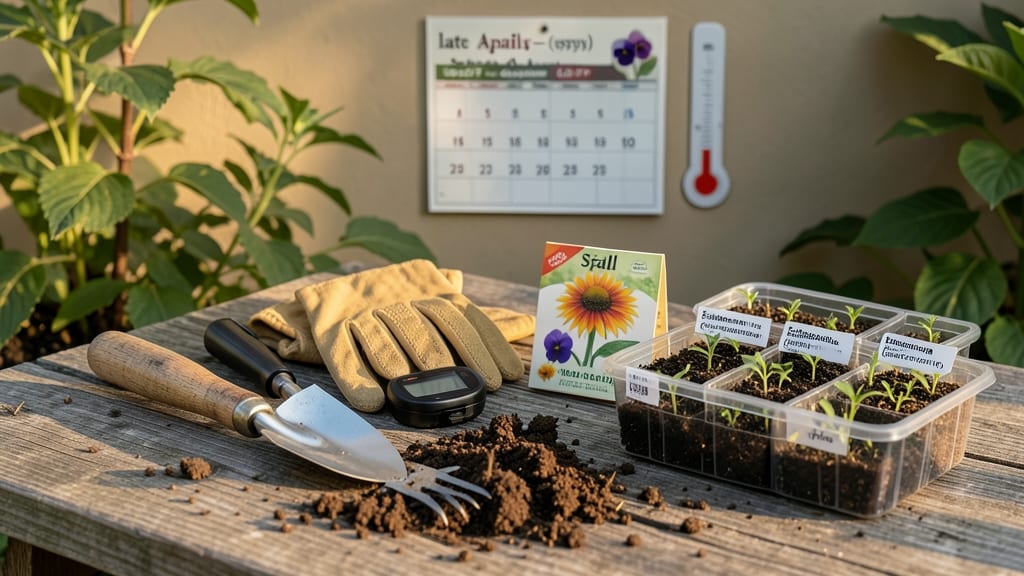
When to plant flowers in Nebraska isn’t just about following a calendar—it’s about outsmarting Zone 5b’s unpredictable frosts and short growing season. Plant too early, and a late freeze could wipe out your hard work; too late, and you’ll miss the peak bloom window that makes all the effort worthwhile.
I’ve seen firsthand how a 5-day delay in spring planting can mean the difference between a vibrant garden and a sad, frost-nipped disappointment. The key? Knowing exactly when to put those seeds in the ground—whether you’re growing annuals, perennials, or bulbs—to give your flowers the best shot at thriving.
In this guide, I’ll break down the exact deadlines for Nebraska’s planting zones, including how to adjust for Omaha’s urban heat islands or rural areas where winds can turn deadly overnight.
You’ll learn which flowers play it safe with early spring starts and which bold bloomers can wait until June without skipping a beat.
Ready to turn your garden into a year-round showstopper? Let’s dive into the science—and the secrets—behind Nebraska’s most reliable planting schedule.
Nebraska flower planting deadlines by type: annuals vs perennials vs bulbs
Nebraska’s Zone 5b climate demands precision when planting flowers—miss the window, and you risk frost damage or wasted efforts. The average last frost date hovers around April 15, but urban areas like Omaha may see it a week later, while rural zones can be 10 days earlier.
This means your annual flowers should wait until mid-May to ensure survival, while hardy perennials can go in as early as April 1.
Bulbs like tulips and daffodils are a different story—they thrive when planted in fall (September–October), giving them time to establish roots before winter. Meanwhile, heat-loving annuals like zinnias or marigolds can handle Nebraska’s late-May plantings without batting an eye. The key is knowing your microclimate and adjusting deadlines accordingly.
🌱
| Flower Type | Best Planting Window | Notes for Nebraska |
|---|---|---|
| Annuals (e.g., petunias, geraniums) | Mid-May to early June | Wait until soil temps hit 60°F; use row covers for late frosts. |
| Perennials (e.g., coneflowers, black-eyed Susans) | Early April to early May | Hardy types can survive light frosts; mulch after planting. |
| Bulbs (e.g., tulips, daffodils) | September to October | Plant 6 weeks before first frost; deeper soil = better insulation. |
| Heat-Tolerant Annuals (e.g., zinnias, marigolds) | Late May to June | Thrive in Nebraska’s heat; ideal for late-season color. |
| Cool-Season Flowers (e.g., pansies, snapdragons) | Early April or September | Plant in fall for spring blooms or early spring for summer color. |
For Omaha and Lincoln gardeners, add an extra 7–10 days to these deadlines due to urban heat islands delaying frost. Rural areas, like those in western Nebraska, can plant 2 weeks earlier thanks to drier conditions.
Always check the National Weather Service or local Cooperative Extension for real-time updates.
If you’re unsure about your last frost date, use the 50-degree rule: Wait until the average daily low stays above 50°F for at least a week.
This ensures root establishment before summer heat arrives. For container-grown flowers, you can push deadlines by 2 weeks since pots warm up faster.
🌿
Pro tip: Start seeds indoors 6–8 weeks before your target planting date. This gives delicate annuals like impatiens or begonias a head start against Nebraska’s short growing season. Use a grow light to mimic Nebraska’s long summer daylight (14+ hours) and avoid leggy seedlings.
Fall planting isn’t just for bulbs—cool-season annuals like pansies and sweet alyssum thrive when sown in late August to September. These frost-tolerant flowers will reward you with early spring color and even survive light freezes. Just avoid planting too late; soil temps below 45°F can stunt root growth.
🌸
Remember, Nebraska’s first frost typically hits around October 15, but early October frosts aren’t unheard of—especially in eastern Nebraska. If you’re itching to extend your blooms, opt for late-season varieties like cosmos or sunflowers, which can handle light frosts and even bolt in cooler weather.
Pair them with hardy perennials like sedum or Russian sage for a frost-resistant garden.
Finally, keep a gardening journal to track your Nebraska-specific deadlines. Note when unexpected frosts occur and adjust next year’s schedule. Over time, you’ll build a personalized planting calendar that beats Nebraska’s unpredictable weather every time.
How to adjust planting timing for Nebraska’s frost patterns
Nebraska’s Zone 5b climate means frost can linger until mid-May in some areas, while others might see a late freeze as late as June 1st. The key to success? Flexibility. I’ve learned that even a 3-day delay in planting can mean the difference between thriving flowers and frost damage.
Start by knowing your local frost dates—Omaha’s urban areas often warm up faster than rural zones, so check resources like the Nebraska State Climate Office for updates.
For heat-loving annuals like zinnias or marigolds, wait until after May 15th to plant. These varieties can handle Nebraska’s heat once established, but they’ll bolt if planted too early.
On the other hand, cool-season flowers like pansies or sweet alyssum can handle light frosts and should go in the ground by April 15th. The trick is matching the flower’s hardiness to your planting window.
🌱
Another pro tip: Hardening off seedlings before transplanting can improve their resilience. If you start plants indoors, expose them to outdoor conditions for 7-10 days before planting.
This gradual acclimation helps them handle Nebraska’s wind and temperature swings better. I’ve seen seedlings survive 30°F drops after proper hardening, whereas unacclimated plants wilt within hours.
For fall planting, aim to get bulbs like tulips or daffodils in the ground by September 15th. This gives roots time to establish before winter, ensuring vibrant spring blooms.
In my garden, I’ve found that fall-planted bulbs bloom 2-3 weeks earlier than spring-planted ones, giving me a head start on Nebraska’s short growing season.
Finally, don’t underestimate the power of mulching. A 3-inch layer of mulch insulates soil, keeping roots warmer in spring and cooler in summer. I use straw mulch around my perennials to protect them from Nebraska’s temperature extremes, and it’s also reduced watering needs by 30%.
With these adjustments, you can turn Nebraska’s unpredictable climate into an advantage. The right timing and a few smart tools will help your flowers thrive year after year, no matter what Mother Nature throws at you. 🌿