
Flowers
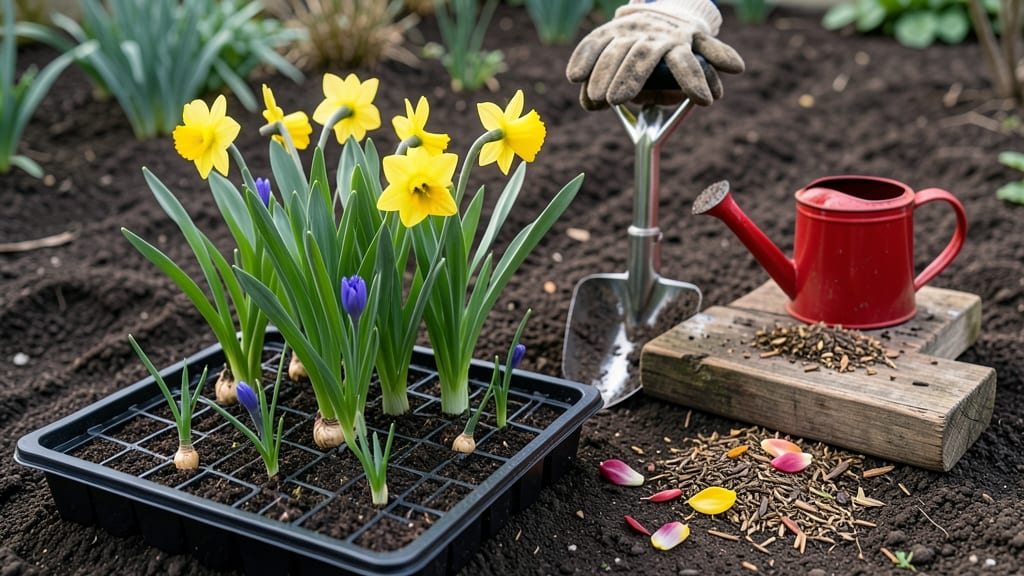
Timing your spring flower planting isn't just about checking the calendar—it's about giving your 🌸 blooms the strongest start possible. Whether you're a seasoned gardener or just starting, planting at the right moment can mean the difference between vibrant summer blooms and wilting disappointment.
Most gardeners in Zone 6a wait until after the last frost date—typically mid-April to early May—but there's more to it than just the weather. The moon's phases play a surprising role in root development and flower growth, and understanding this can double your success rate.
I'll show you exactly when to plant different flower types, from cool-season annuals to hardy perennials, and how to align your planting with lunar cycles for stronger roots. No more guessing—just science-backed timing that works.
Ready to transform your garden? Let's dive into the secrets that will have your flowers thriving all season long.
Spring planting timeline by flower type and hardiness Zone
Planting flowers in spring isn't a one-size-fits-all task—it depends on whether you're growing annuals or perennials, and your USDA hardiness zone. For example, cool-season flowers like pansies thrive when planted in early spring, while warm-season varieties like marigolds need warmer soil temperatures.
Let's break down the best timing for your region and flower types.
First, check your last frost date. In USDA Zone 6a, this typically falls around April 15. Most spring flowers should be planted 2-4 weeks after this date, when soil temperatures reach at least 60°F.
However, hardy perennials like coneflowers can handle earlier planting, even before the last frost.
For annual flowers, timing varies widely. Cool-season annuals like snapdragons and sweet peas should go in the ground 4-6 weeks before your last frost date.
Meanwhile, warm-season annuals such as zinnias and cosmos prefer to wait until 2 weeks after the last frost when nighttime temperatures consistently stay above 50°F.
| Flower Type | Planting Window | USDA Zone 6a Timing | Soil Temp |
|---|---|---|---|
| Cool-Season Annuals | 4-6 weeks before last frost | Early March to mid-April | 40-50°F |
| Warm-Season Annuals | 2 weeks after last frost | Late April to early May | 60°F+ |
| Hardy Perennials | Early spring (before last frost) | March to early April | 45°F+ |
| Tender Perennials | After last frost | Mid-April to May | 55°F+ |
If you're in a warmer climate like Zone 8 or higher, you can start planting cool-season flowers as early as February. In colder zones like Zone 4 or 5, wait until late April or May to avoid frost damage.
Always check your local extended weather forecast for unexpected late frosts.
For container gardening, timing is slightly more flexible. You can plant warm-season flowers 2-3 weeks earlier in containers because they warm up faster than garden beds. Just ensure your pots have drainage holes and use lightweight potting mix to prevent overheating.
Another key factor is seed vs. seedling planting. Seeds need more time to germinate, so start them 6-8 weeks before your last frost date indoors. Seedlings, on the other hand, can go directly into the ground 2-3 weeks after the last frost, giving them a head start on the growing season.
Regional microclimates also play a role. If you live in a valley or low-lying area, frost can linger longer, so delay planting by 1-2 weeks. Conversely, hilltops or urban areas often warm up faster, allowing earlier planting. Pay attention to local frost pockets in your garden.
Finally, keep an eye on moon phases for optimal planting days. The waxing moon (growing phase) is ideal for planting flowers that focus on root development, while the waning moon (shrinking phase) supports flower production. We'll dive deeper into this in the next section!
Moon phase planting calendar: best days for root and bloom growth
Planting flowers during the right moon phases can significantly boost their growth by aligning with natural energy cycles. The moon's gravitational pull influences water movement in the soil, affecting how plants absorb nutrients and develop roots.
For root growth, aim for the waxing moon phases (when the moon is growing brighter), while flower production thrives during the waning moon (when the moon is shrinking).
Here’s how to use this lunar calendar for your spring planting schedule. The best time to plant most flowers is during the waxing gibbous phase, just before the full moon, when energy is directed downward into the roots.
For example, if you’re planting marigolds or petunias in early April, target the waxing gibbous phase for stronger root establishment.
For early spring planting in Zone 6a, focus on the waxing gibbous phase in April (around April 10-15) for planting cool-season flowers like pansies or snapdragons.
If you’re planting warm-season flowers like zinnias or cosmos after the last frost (mid-May), the waning gibbous phase (around May 20-25) is ideal for encouraging blooms.
Always pair moon phases with weather forecasts. Planting during a waxing gibbous phase is useless if a frost warning looms. Check your local last frost date (typically April 15 in Zone 6a) and align it with the lunar calendar for the best results.
I recommend using a gardening almanac or app to track both moon phases and frost predictions simultaneously.
Pro tip: If you miss the ideal moon phase, don’t stress! Flowers planted during the full moon or waning crescent will still grow, but they may take slightly longer to establish. The key is consistency—water deeply during the waxing moon to support root growth,