
Flowers
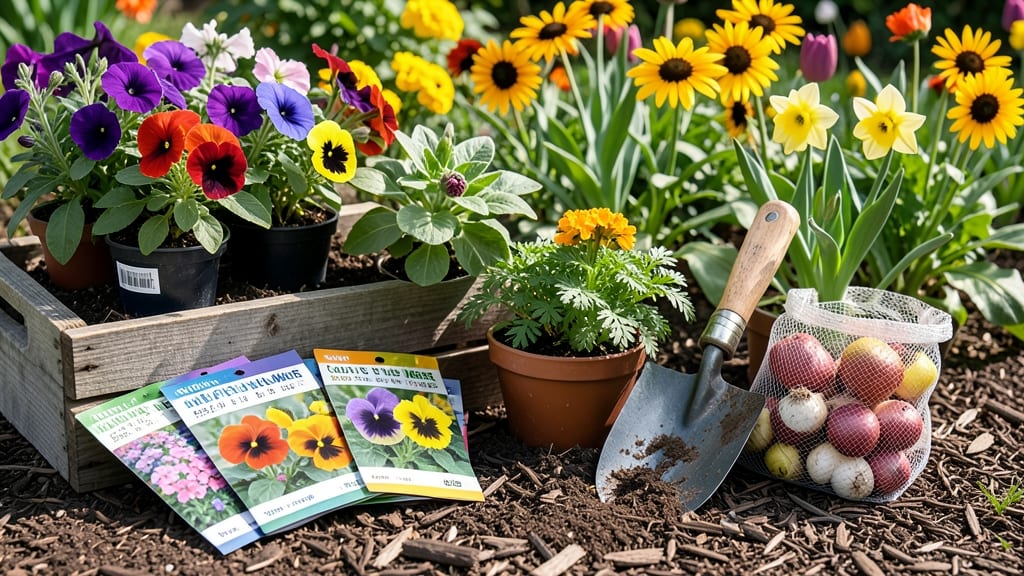
Timing your flowers planting in Rhode Island isn’t just about following a calendar—it’s about beating the last frost in Zone 6a while avoiding summer’s brutal heat. Miss the window, and you’ll watch your blooms wilt before they even open.
The key? Knowing exactly when to start seeds indoors, when to transplant tender annuals, and which hardy perennials can handle Rhode Island’s unpredictable spring.
I’ve spent years testing what works in Rhode Island’s coastal and inland microclimates, and the difference between guaranteed blooms and wasted effort often comes down to 30 days—sometimes less.
Whether you’re dreaming of vibrant 🌸 pansies in April or late-summer cosmos, the right timing means the difference between a garden that thrives and one that struggles.
Let’s cut through the guesswork. I’ll walk you through the exact deadlines for spring planting (including coastal adjustments), the best late-summer flowers to add for extended color, and how to prep your soil so your flowers take root fast.
No more second-guessing—just a foolproof plan for Rhode Island’s 165 frost-free days.
Ready to transform your garden? Grab your gloves, and let’s get those flowers in the ground at the perfect moment—before the weather decides for you.
Rhode Island flower planting calendar: exact dates by frost-tolerant vs heat-loving varieties
Rhode Island’s Zone 6b climate means your flower planting timeline hinges on last frost dates—typically April 15 in Providence but 2-3 weeks earlier along the coast. Coastal areas like Newport enjoy milder microclimates, while inland spots near Westerly face colder snaps.
I’ll break down exact planting windows for cold-hardy annuals versus heat-loving blooms, so you never miss a season.
For frost-tolerant annuals like pansies, snapdragons, and sweet alyssum, you can start seeds indoors 6-8 weeks before your last frost (around February 15) or sow directly in early March. These tough beauties handle light frosts and even snow, making them perfect for Rhode Island’s unpredictable springs.
Transplant seedlings 2-3 weeks before last frost (around April 1) for a head start on color.
Heat-loving annuals such as marigolds, zinnias, and cosmos demand warmer soil and should wait until after May 15—when soil temps hit 60°F+. Coastal areas can push this to late May, but inland spots should wait until early June to avoid stunted growth. Perennials like coneflowers and black-eyed Susans thrive when planted in early spring (April) or fall (September), giving roots time to establish before extreme temps.
Bulbs like tulips and daffodils need chilling periods—plant them in October (before ground freezes) for spring blooms. Coastal areas can delay until late October, but inland spots should aim for early October to avoid winter heaving.
Pro tip: Use mulch (3-4 inches) after planting to insulate bulbs from temperature swings.
If you’re starting seeds indoors, begin cold-hardy varieties (like calendula) in late January and heat-lovers (like petunias) in March. Harden off seedlings for 7-10 days before transplanting—Rhode Island’s coastal winds can shock tender plants.
For container gardening, wait until after May 15 to avoid overnight chills that stunt growth.
Don’t overlook fall planting! Many perennials and cool-season annuals (like stock or sweet peas) thrive when planted in September. By October 1, soil is still warm enough for roots to establish before winter.
This strategy gives you early spring blooms with minimal effort—perfect for Rhode Island’s short growing season.
Track your local frost dates using the National Weather Service or Old Farmer’s Almanac. Inland areas like Westerly average 3-4 more frost days than coastal Newport, so adjust timelines accordingly. For container gardens, move pots to sheltered spots at night during late spring to protect delicate blooms.
Remember: Soil temperature matters more than air temperature. Use a soil thermometer—ideal temps for planting are 60°F+. If your soil is below 50°F, wait a week or two. Coastal humidity can also delay germination, so keep seed-starting trays on a
5 Critical factors that shift your Rhode Island flower planting timeline (and how to adjust)
Rhode Island’s Zone 6b climate creates unique challenges—coastal areas like Newport can have earlier last-frost dates than inland spots near Providence. Even a 5-day difference in frost timing means the gap between "too early" and "perfect" narrows dramatically.
Understanding these 5 key factors helps you adjust planting windows for maximum bloom success.
First, microclimates rule Rhode Island gardening. Coastal regions (e.g., Block Island) often see last frost dates 7-10 days earlier than inland areas due to ocean moderation. Use the USDA’s Plant Hardiness Zone Map layered with local weather stations to pinpoint your exact zone.
For example, Providence averages April 22 for last frost, while Newport may hit April 15—a critical window for cold-hardy annuals like pansies.
Soil temperature is another game-changer. Most flower seeds need soil at 60°F+ to germinate, but bulbs like tulips thrive when planted in 40-50°F soil. Use a soil thermometer ($10 at garden centers) to check before planting.
In Rhode Island, early April soil temps often hover around 45°F inland but can reach 50°F+ near coastlines—perfect for hardy perennials like coneflowers.
🌱 5 Factors That Shift Your Planting Timeline
- 📍 Microclimates: Coastal areas frost 7-10 days earlier than inland zones. Check local frost records (e.g., Newport vs. Providence).
- 🌡️ Soil Temperature: Most seeds need 60°F+, bulbs 40-50°F. Use a soil thermometer to avoid delays.
- 🌬️ Wind Exposure: Coastal gardens dry out faster. Mulch heavily and choose wind-resistant varieties like black-eyed susans.
- 🌱 Plant Type: Perennials planted in fall or early spring establish better roots. Annuals wait until after last frost.
- ☀️ Sunlight Shifts: June solstice brings longer daylight, ideal for heat-loving annuals like zinnias planted in late May-June.
Wind exposure also alters planting windows. Coastal gardens face salty winds that dry soil faster and stress delicate annuals like petunias. To compensate, plant wind-resistant varieties (e.g., cosmos, salvias) and mulch with 2-3 inches of straw to retain moisture.
Inland areas can handle more moisture-sensitive plants like geraniums planted 2 weeks earlier than coastal zones.
Your plant type dictates the timeline too. Perennials (e.g., daylilies, hostas) should go in early spring or fall to establish roots before dormancy. Annuals, however, demand after last frost—typically mid-to-late May in most of Rhode Island.
Pro tip: Start cool-season annuals (pansies, snapdragons) indoors in March to get a 4-6 week head start before transplanting.
Finally, don’t ignore sunlight shifts. Rhode Island’s June solstice (longest day of the year) extends daylight to 15 hours, perfect for heat-loving annuals like marigolds and zinnias.
These thrive when planted late May through June. For shade-tolerant flowers (e.g., impatiens, fuchsias), wait until after June 20 when soil temps stabilize above 65°F.