
Flowers
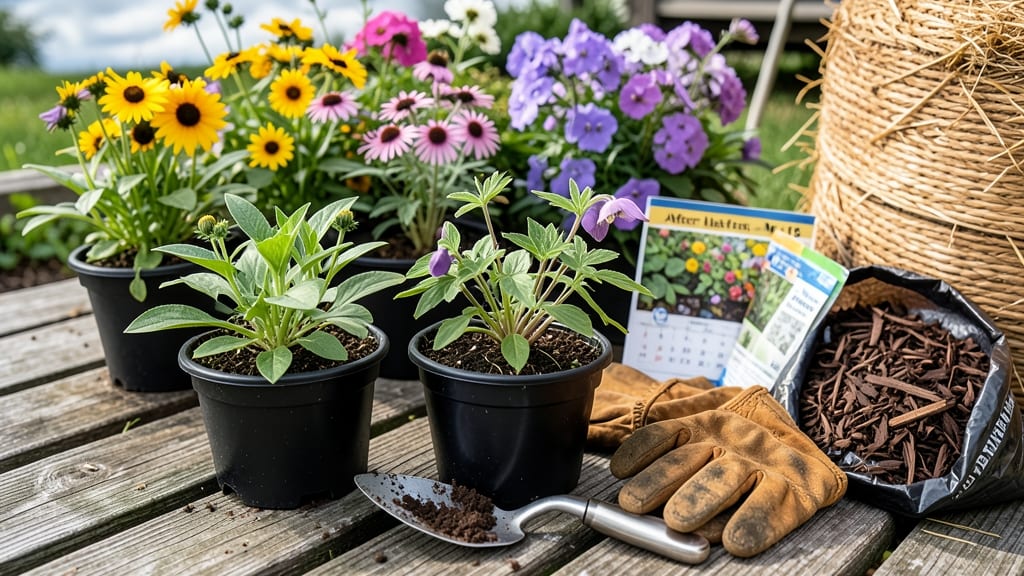
When to plant flowers in Vermont isn’t just about following a calendar—it’s about outsmarting those sneaky late frosts that can turn your garden dreams into a sad, icy mess. With USDA zones 5b-6a throwing curveballs like April 15 last frost dates, knowing the perfect planting windows can mean the difference between a showstopping garden and a season of disappointment.
I've spent years testing what works in Vermont's unpredictable climate, and the secret isn't complicated—it's about working with Mother Nature, not against her. Whether you're planting annuals that love warmth or perennials that thrive in cool shoulders, the timing matters more than you might think.
Let me show you exactly when to get those 🌸 seeds in the ground for maximum blooms and minimal frost-related heartbreak.
Spring planting gives you two critical windows: April 15 to May 15 for most flowers, but bulbs and cold-hardy varieties can go in even earlier. Fall offers another chance with August 1 to September 15 being your best bet for establishing roots before winter.
The key? Waiting until soil hits 50°F—no guessing games, just science-backed timing.
What you'll discover next are the exact planting schedules for Vermont's most reliable flowers, plus pro tips for adjusting when the weather plays tricks. Ready to turn your garden into a year-round paradise? Let's dive in.
Vermont flower planting calendar by last frost dates (zones 3-5)
Vermont’s hardiness zones 3-5 mean frost can linger until mid-April in northern regions, while southern areas might see last frosts by early April. To avoid frozen seedlings, I always check the Vermont Weather Underground for local frost dates—your mileage may vary by 1-2 weeks depending on elevation and microclimates.
For annual flowers, wait until after May 15 in most of Vermont to plant heat-lovers like marigolds or zinnias. But cold-hardy annuals like pansies and snapdragons can handle light frosts and can go in as early as mid-April in protected spots.
Perennials are more forgiving—most can handle fall planting until mid-September, while spring planting should wait until soil warms to 50°F (usually late April to early May). Bulbs? Plant tulips and daffodils in fall (August-September) for spring blooms.
🌱
| Plant Type | Best Planting Window | Vermont Zone 3 | Vermont Zone 4 | Vermont Zone 5 |
|---|---|---|---|---|
| Annuals (Heat-Lovers) | After last frost | May 20–June 1 | May 10–May 20 | April 25–May 10 |
| Annuals (Cold-Hardy) | Early spring/fall | April 15–May 15 | April 1–April 15 | March 20–April 1 |
| Perennials (Spring) | After soil warms | May 1–May 15 | April 20–May 1 | April 10–April 20 |
| Perennials (Fall) | 6–8 weeks before frost | August 1–September 1 | August 15–September 15 | September 1–September 15 |
| Bulbs (Fall) | August–October | September 1–October 1 | August 15–September 15 | August 1–September 1 |
In Zone 5 (southern Vermont), you can push the envelope—planting marigolds as early as April 25 under frost cloth for a head start. Meanwhile, Zone 3 gardeners should wait until May 20 to avoid frost damage to tender annuals like petunias.
For container gardens, use black plastic pots to warm soil faster, or opt for cold-hardy varieties like violas and stock that tolerate cooler temps. I’ve had success planting pansies in containers by March 15 in Zone 4!
Pro tip: Mark your calendar for Mother’s Day weekend (mid-May)—it’s a reliable benchmark for Zone 4-5 gardeners to start planting heat-loving annuals like geraniums and cosmos.
🌷
If you’re unsure about your last frost date, err on the side of caution. I once lost a batch of begonias to a late-April freeze—a lesson that taught me to always have frost cloth on hand for Zone 3-4 plantings.
For fall planting, aim to get perennials in the ground by September 15 in
How to adjust planting times for Vermont’s unpredictable weather patterns
Vermont’s weather loves to keep us guessing—one day it’s 60°F and sunny, the next it’s a 20°F surprise frost. If you’ve ever planted your 🌸 marigolds too early only to watch them freeze overnight, you know how frustrating this can be.
The good news? With a few smart adjustments, you can outsmart Mother Nature and protect your blooms from those sneaky temperature swings.
First, always check your local last frost date—it’s not just a suggestion. While the average for most of Vermont is April 15, some years it hits May 10, and others, it’s back by April 1.
Use the National Weather Service or local gardening groups for real-time updates. I’ve learned the hard way that waiting until May 1 for heat-loving annuals like petunias is worth the extra week of patience.
Here’s my pro tip: Start seeds indoors 6-8 weeks before your last frost date. This gives you a head start on the growing season and lets you transplant hardy seedlings as soon as the soil warms to 50°F.
For example, if you’re planting tomatoes (yes, they count as flowers too!), begin seeds indoors by March 15 for a late-May transplant. This buffer ensures your plants are established before any late frosts strike.
✅ 5 Pro Tips to Beat Vermont’s Weather
- Use frost cloths for 2-3 weeks after transplanting to shield young plants from 28°F+ frosts.
- Choose cold-hardy varieties like pansies or snapdragons—they’ll bounce back from 25°F temps.
- Plant bulbs in fall (August-September) so they establish roots before winter and bloom early.
- Avoid late-summer planting of heat-lovers like zinnias—they’ll struggle with cool nights.
- Mulch heavily in fall (3-4 inches) to insulate roots and protect perennials from early frosts.
Another game-changer? Succession planting. Instead of planting all your 🌻 marigolds at once, stagger them every 2 weeks from May to July. This ensures continuous blooms and minimizes the risk of losing your entire crop to a single late frost.
I’ve seen gardeners in Zone 4 extend their cosmos season by 4 weeks just by doing this!
Don’t forget about microclimates. A south-facing slope warms up faster than a shady valley, so adjust your planting times accordingly. If you’re in a cooler pocket, like the Northeast Kingdom, hold off until May 10 for tender annuals.
Meanwhile, Chittenden County gardeners can often plant 1 week earlier. Always scout your yard for these differences—they’re your secret weapon.
Finally, keep an eye on the 10-day forecast before planting. If a 32°F dip is predicted within 48 hours, cover your plants with row covers or bring potted flowers indoors. I’ve saved 🌷 geraniums from certain doom by moving them under a porch light during chilly snaps.
A little extra effort now means months of blooms later—trust me, your garden will thank you.
With these adjustments, you’ll turn Vermont’s unpredictable weather into an advantage. Your garden will thrive, and you’ll finally get those 🌸 dream blooms without the frost-related stress.